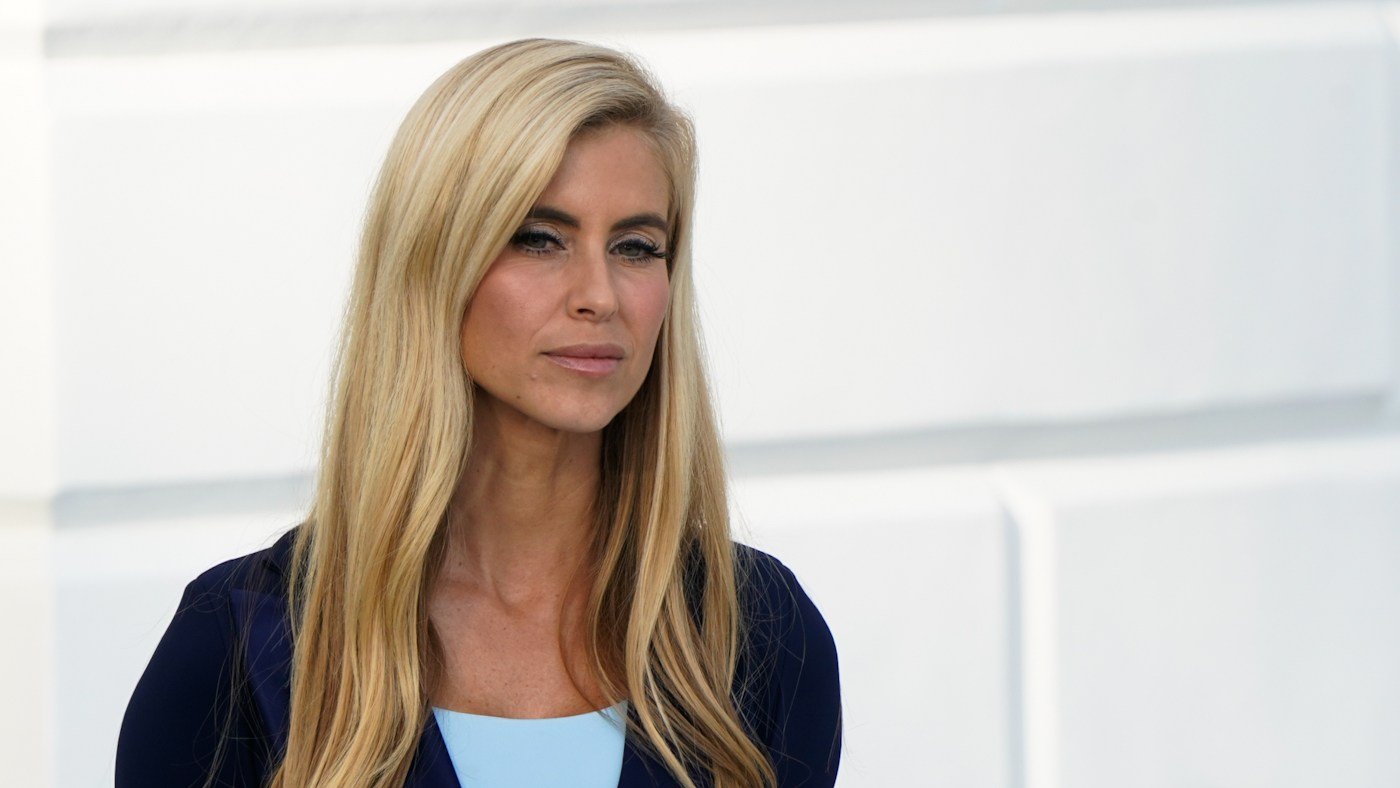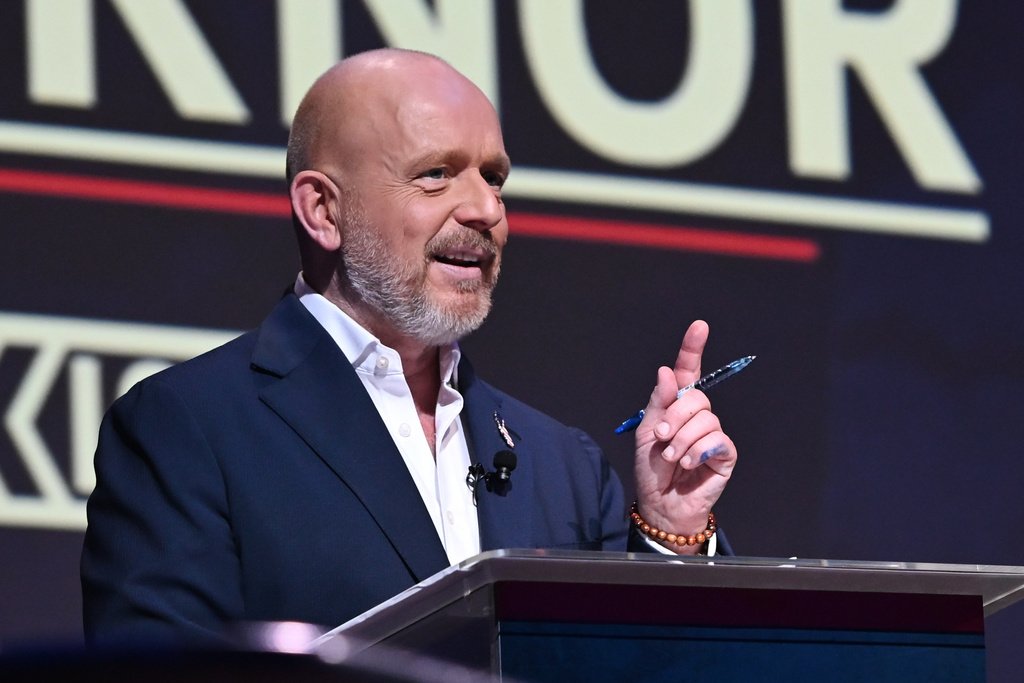
The 2026 California gubernatorial race presents Republicans with a strategic paradox born from the state's unique electoral system. To exploit California's top-two primary, where the two highest vote-getters advance regardless of party, the GOP must first secure its nomination by appealing to its most conservative voters—a move that could render the eventual nominee unelectable in the deep-blue state's general election.
The Narrow Path to a Lockout
With a crowded Democratic field likely to split the party's vote, a scenario exists where the two leading Republican contenders—Riverside County Sheriff Chad Bianco and former Fox News commentator Steve Hilton—could finish first and second in the June primary. This would achieve a historic lockout, barring any Democrat from the November ballot. However, this opportunity comes with severe constraints. Registered Democrats outnumber Republicans nearly two-to-one, meaning the GOP base must turn out at near-total levels just to remain competitive for a top-two slot.
The MAGA Primary Calculus
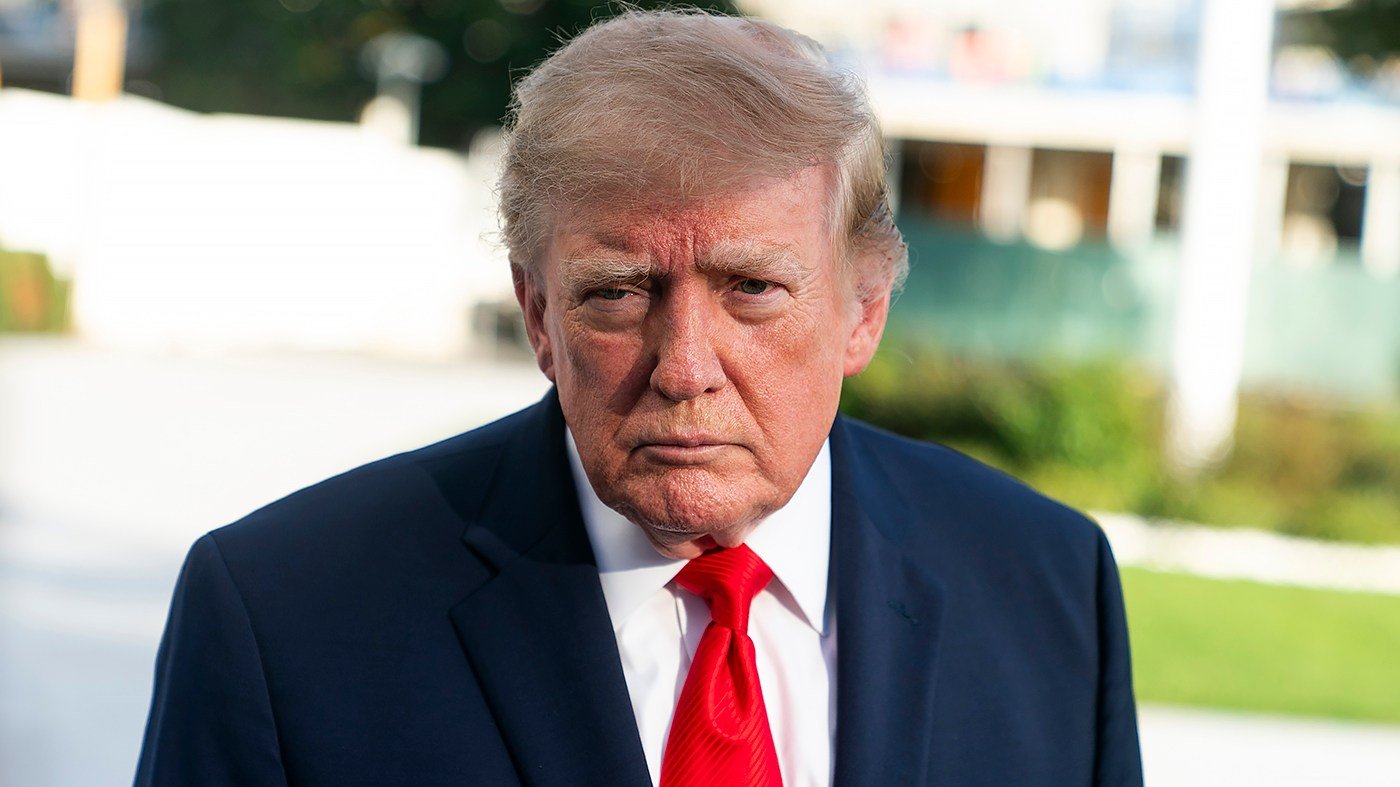
This dynamic forces candidates to cater to a shrinking, ideologically driven Republican electorate. Bianco, amid slipping poll numbers, recently seized 650,000 election ballots from 2025, a move widely seen as an appeal to former President Donald Trump and his most ardent supporters in California. Hilton has countered by questioning Bianco's MAGA credentials, attacking him for allegedly taking a knee during a 2020 Black Lives Matter protest. In the race's first debate, Hilton bypassed an opening question to launch an aggressive assault on Bianco, urging Republican voters to consolidate behind him.
The central question is whether any Republican with a plausible primary path must now present as a MAGA-aligned candidate. If so, the party has created a nomination mechanism that filters out the type of moderate, crossover candidate who might actually compete statewide. This internal pressure occurs even as the party faces external challenges, such as when the Supreme Court considers ending mail ballot grace periods, a change that could further complicate voter turnout strategies.
Substance Behind the Signaling
Both Bianco and Hilton are not merely engaged in cultural signaling; their campaigns are rooted in substantive policy proposals aimed at California's most pressing issues: homelessness, crime, and the state budget. Some proposals, like Hilton's plan to eliminate state income tax for families earning under $100,000, mirror populist economic pitches from progressive Democrats like candidate Katie Porter. However, the candidates' rational pursuit of the nomination—which likely includes seeking Trump's endorsement to consolidate the base—creates a severe general-election liability. The very strategy that could secure a June victory may guarantee a November defeat.
The Schwarzenegger Model vs. Political Reality
Theoretically, the strongest Republican candidate would be a post-partisan executive in the mold of former Governor Arnold Schwarzenegger: socially moderate, managerial, and tough on crime and homelessness, capable of appealing to suburban independents and disaffected Democrats without fully alienating the GOP base. Many Californians express frustration with one-party dominance under Governor Gavin Newsom and the political establishment. Against a perceived insider like Representative Eric Swalwell, such a Republican might find an opening.
Yet, the primary system militates against this model. The candidate most likely to survive a Republican consolidation fight is often the one least likely to win statewide. This internal conflict reflects a broader national tension as the post-Trump era looms and traditional Republicans eye a future party reclamation.
The Steeper Climb Ahead
Even if a moderate Republican somehow emerged, they would face a formidable challenge from left-populists like Porter and Tom Steyer, who channel the Bernie Sanders wing on affordability and could present the toughest general-election opposition. Furthermore, the state's political landscape continues to evolve, as seen when California stripped Cesar Chavez's name from a state holiday, highlighting ongoing cultural reassessments.
A faintly plausible, if improbable, scenario involves a candidate like Hilton winning the primary and then executing a dramatic political reinvention, assembling a cross-partisan coalition. Such transformations are rare and rarely succeed. For California Republicans, the 2026 race embodies a high-stakes gamble: the systemic chance to lock Democrats out of the general election comes at the potential cost of nominating a candidate who cannot win it. The dream of a GOP governor in Sacramento persists, but the path to it remains fraught with contradictions that the state's top-two primary system has laid bare.