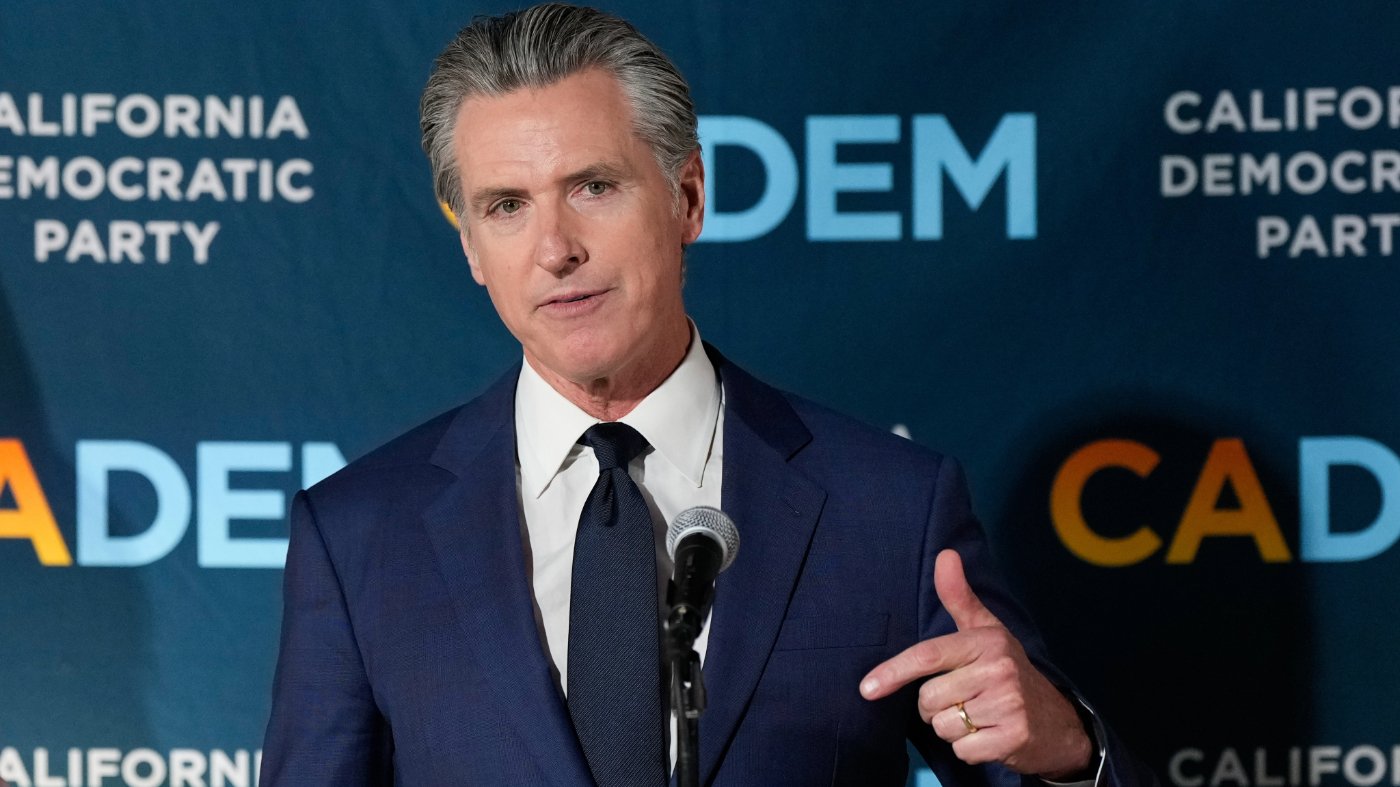
Governor Gavin Newsom signed legislation Thursday that removes Cesar Chavez's name from a California state holiday, officially redesignating it as Farmworkers Day. The move comes in direct response to recent, detailed allegations that the late civil rights and labor leader sexually abused young girls, including his longtime colleague Dolores Huerta.
Allegations Prompt Institutional Reckoning
The decision follows a New York Times report in which two women accused Chavez of abusing them when they were children. In the same report, Dolores Huerta, who co-founded the United Farm Workers with Chavez, stated she was also sexually assaulted by him, resulting in a pregnancy. These revelations have triggered a swift reassessment of Chavez's legacy across institutions that once celebrated him.

The United Farm Workers union announced it would cancel planned birthday celebrations for its founder, citing the "troubling allegations." The organization's pivot underscores the broader dilemma facing progressive movements as they grapple with the complex legacies of historically revered figures.
Bipartisan Legislative Action
The bill was introduced in February by Assemblymember Robert Rivas and Senate President pro Tempore Monique Limón. It passed the state senate with bipartisan support just before the annual March 31 observance. In a joint statement, the lawmakers framed the change as necessary to honor the movement's values rather than a single individual.
"California's farmworker rights movement never has been about one individual," Rivas and Limón said. "To the survivors who have found the courage to come forward, uplifting the movement's values of dignity and justice, and demanding accountability, our hearts are with you always." They added that the legislature would work to update related laws and statutes in local jurisdictions and school districts.
Newsom's Justification
Governor Newsom, who has recently been active on several contentious state policies, including signing expansive sanctuary state laws, commended the legislators. In a post on X, he stated, "The farmworkers' movement was always bigger than just one man or one person. Given the horrendous allegations that were made public for the first time yesterday, this is a welcomed change."
Newsom's action reflects a continuing pattern of California asserting its policy independence, a theme seen in other areas like its legal challenges to federal energy mandates. The governor will formally proclaim the new holiday name on March 31.
National Context and Future Implications
California is not alone in reconsidering Chavez's name. Several other states have taken similar steps to distance official charters and celebrations from the leader following the allegations. This renaming signifies a pivotal moment in how political and social movements memorialize their founders amid evolving ethical standards.
The lawmakers positioned the newly named Farmworkers Day as "a time for California to honor the past, reflect on the present and renew our collective dedication to equity and justice for farmworkers." The shift redirects focus toward the collective struggle of agricultural workers rather than a potentially compromised individual icon.
This development occurs against a backdrop of intense political maneuvering in the state, where figures like Newsom are often in the national spotlight. His political positioning, including public critiques of former President Trump, is part of a broader strategy that now intersects with this sensitive cultural reckoning.
The renaming also highlights the ongoing challenges for California's economy and regulatory environment, where sectors like energy face pressures that have led companies like Chevron to warn of imminent refinery closures. How the state balances social justice initiatives with economic stability remains a central political question.