First U.S. Combat Aircraft Losses in Over Two Decades
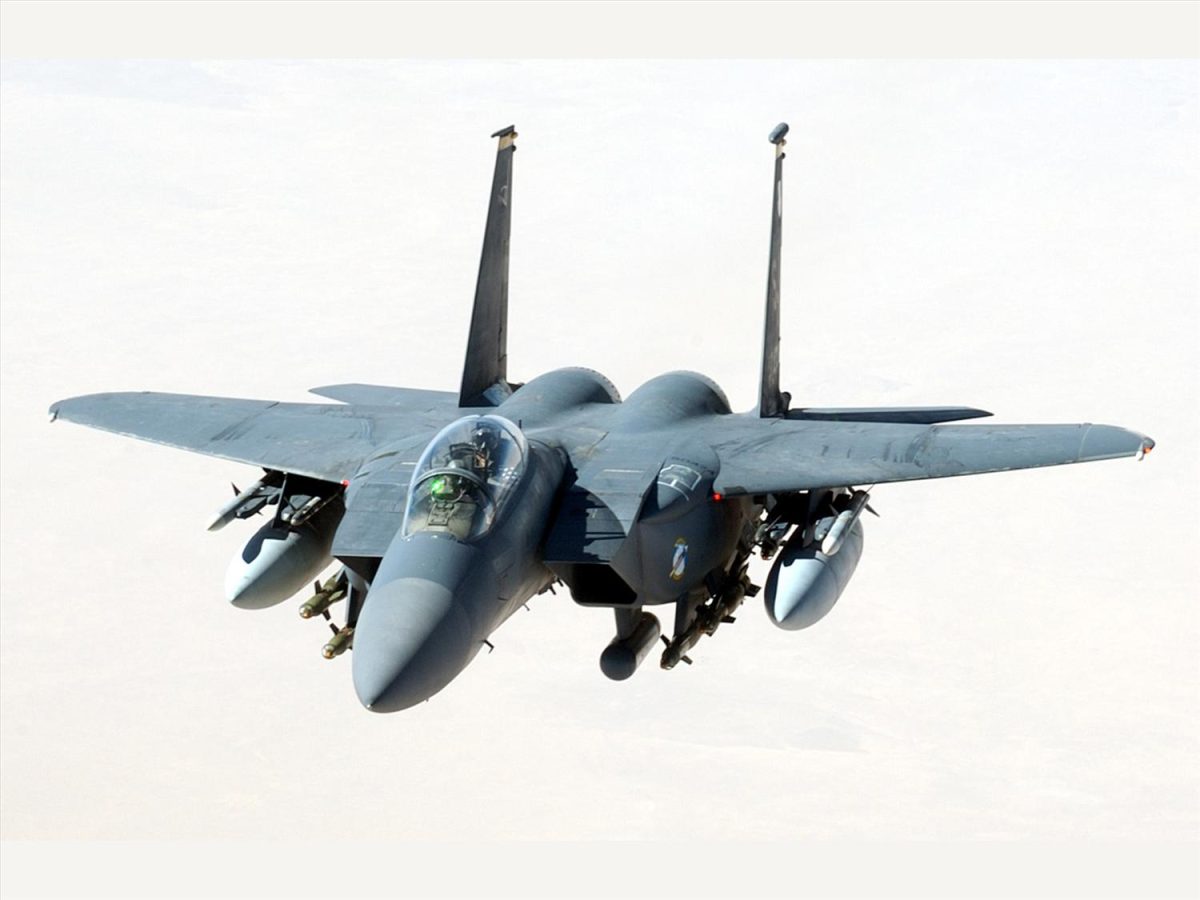
For the first time in more than twenty years, American military jets have been shot down by enemy fire in combat. Iranian forces successfully struck a U.S. F-15E Strike Eagle fighter and an A-10 attack aircraft on Friday, according to U.S. officials and Iranian state media. One service member was rescued, while a search continues for a second. This incident directly contradicts recent assertions from the Trump administration regarding the degraded state of Iran's military capabilities.
A Stark Contrast to Official Claims
The attacks occurred just weeks after coordinated U.S. and Israeli airstrikes began targeting Iran. President Trump had claimed earlier this week that Tehran's "ability to launch missiles and drones is dramatically curtailed." The successful downing of advanced American aircraft demonstrates the Islamic Republic's continued, if degraded, capacity to retaliate, despite Trump's previous declaration that it had been "completely decimated." This development comes as Iran appears to be gaining a strategic upper hand in the ongoing conflict.
Retired Air Force Brig. Gen. Houston Cantwell, a former F-16 pilot, confirmed that the last U.S. warplane lost to enemy fire was an A-10 during the 2003 invasion of Iraq. "The fact that this hasn’t happened until now is an absolute miracle," said Cantwell, now a senior fellow at the Mitchell Institute for Aerospace Studies. "We’re flying combat missions here, they are being shot at every day." He attributed the long gap in losses to U.S. adversaries in recent conflicts lacking sophisticated anti-aircraft systems.
Technical and Tactical Realities
Experts analyzing the engagement suggest Iranian forces likely used portable, shoulder-fired missiles against the F-15. These man-portable air-defense systems (MANPADS) are harder to detect and counter, reflecting what Behnam Ben Taleblu of the Foundation for Defense of Democracies calls a "weak but still lethal" Iranian military. "This is a regime that is fighting for its life," Taleblu added. He noted that American aircraft have been operating at lower altitudes over Iran, increasing their vulnerability to such weapons.
U.S. Central Command data reveals the scale of the air campaign, with American forces flying over 13,000 missions and striking more than 12,300 targets in the conflict. Despite this intensity, Mark Cancian, a retired Marine colonel and senior adviser at the Center for Strategic and International Studies, called the American air war a "tremendous success" from a historical perspective. He compared the single loss rate to World War II attrition, where loss rates could reach 3%. However, he noted the modern political context: "You have an American public that is accustomed to fighting bloodless wars... So to them, any loss is unacceptable." This public sentiment is reflected in the growing political rifts over the military campaign.
Pilot Training and Rescue Operations
In high-threat environments like Iran, pilots are trained extensively for missile engagements and ejections. Cantwell described the heightened alertness required, with aviators monitoring for both infrared- and radar-guided threats. Critical post-ejection training includes wound assessment and secure communication of location for rescue—a complex task as adversaries often attempt to intercept or spoof these signals. The bravery of rescue crews, often flying vulnerable helicopters into contested areas, was highlighted by Cantwell as an "honorable act."
The downings add a new dimension to the conflict as diplomatic efforts continue. Third-party mediators have recently presented a 45-day ceasefire draft to both Washington and Tehran, though the military situation remains volatile. The incident also underscores broader alliance tensions, reminiscent of the divisions exposed when Spain banned U.S. military flights from its airspace.
While fixed-wing combat losses have been rare, U.S. helicopters have been shot down more frequently in recent decades due to their lower and slower flight profiles, making them susceptible to rocket-propelled grenades and small-arms fire. The historical precedent includes the failed 1980 hostage rescue attempt in Tehran, where a helicopter and transport plane collision killed eight personnel.
This event marks a significant inflection point, proving that even a militarily pressured Iran retains the capability to inflict losses on the world's most advanced air force, with implications for both operational tactics and the political calculus in Washington and allied capitals.