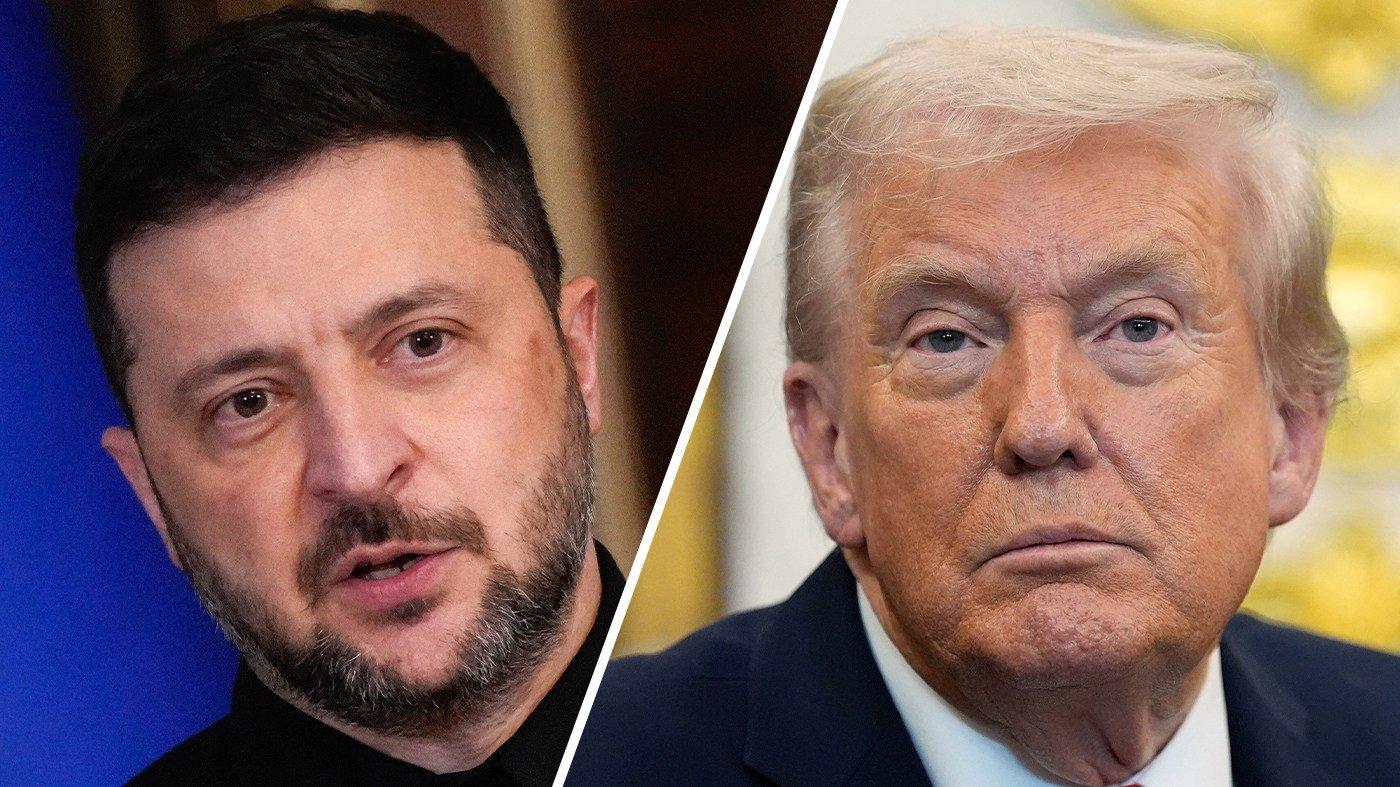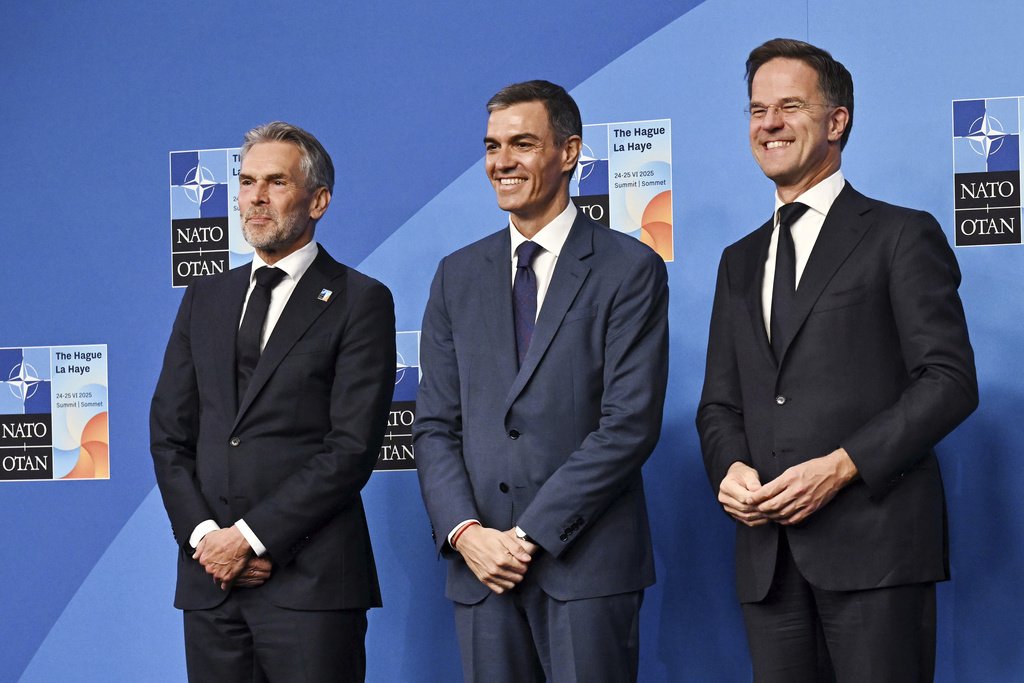
The North Atlantic Treaty Organization is confronting a crisis that cannot be solved by budgetary increases or diplomatic meetings. The Spanish government has formally denied U.S. military aircraft involved in the conflict with Iran access to its sovereign airspace. This move follows Madrid's earlier rejection of a request to use jointly operated bases at Rota and Morón de la Frontera for offensive strikes. While some in Washington dismiss this as a temporary diplomatic spat or a political gesture by Prime Minister Pedro Sánchez, such an interpretation overlooks a deeper, structural transformation within the alliance.
The End of Automaticity
For generations, Washington operated on the assumption that formal alliances guaranteed a baseline of logistical and political backing for its security objectives. During the Cold War and the initial phase of the War on Terror, European territory served as an open corridor for American military power. Spain's blockage of flight paths for aircraft participating in Operation Epic Fury, including those originating from the United Kingdom, declares that era finished. Madrid is not merely voicing dissent; it is implementing a sovereignty-first doctrine that reconfigures the strategic geography of contemporary conflict.
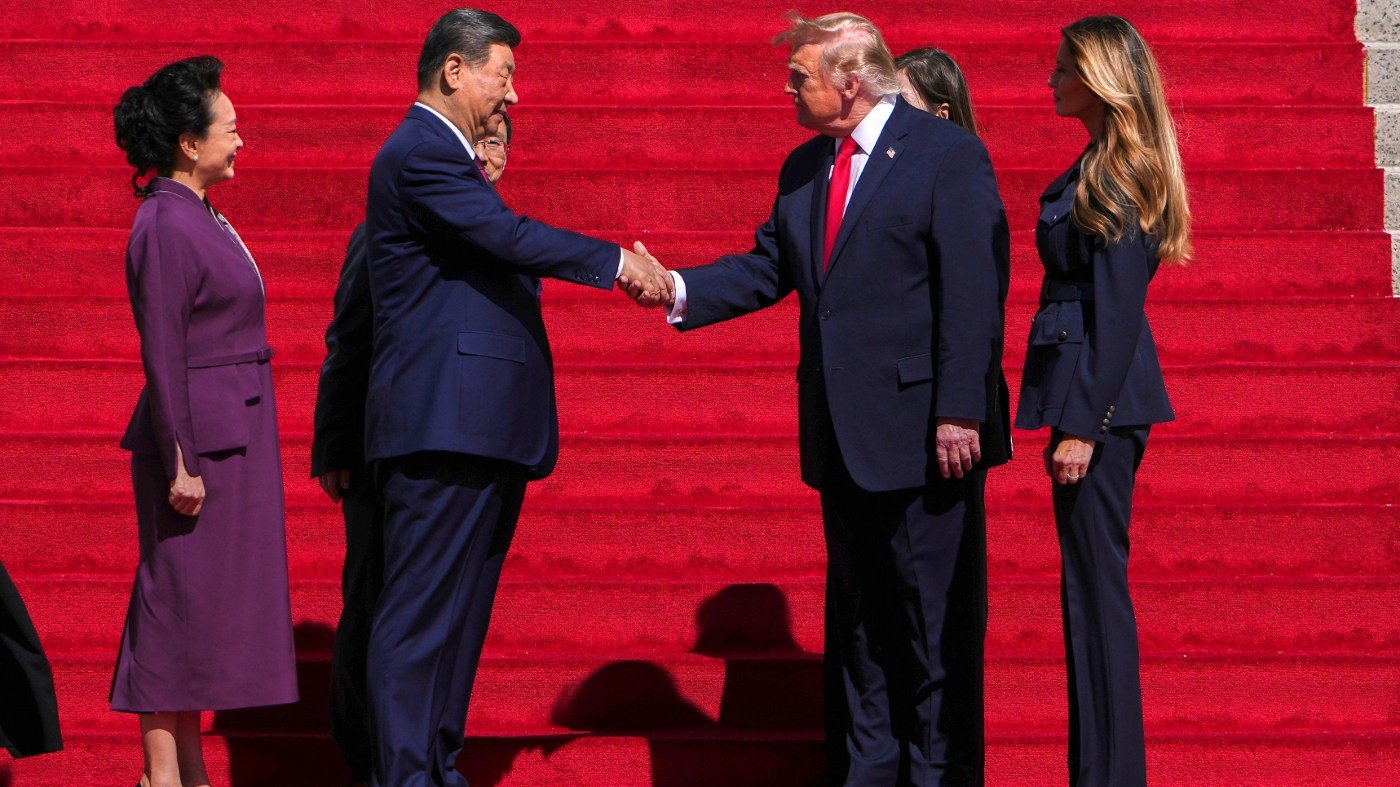
The immediate impact is operational, forcing U.S. warplanes to take longer, costlier routes around the Iberian Peninsula to reach the Middle East. The political ramifications, however, are more profound. Spanish officials have framed the decision not as antagonism toward the United States, but as an adherence to international law. Defense Minister Margarita Robles has labeled the conflict "profoundly illegal and profoundly unjust," explicitly stating that Spanish territory will not facilitate a unilaterally initiated war.
A Hard Veto Within the Alliance
This represents a stark departure from NATO's historical norms. Internal disagreements were traditionally managed through quiet abstentions or limited, non-combat support roles. Spain's total airspace closure constitutes a hard veto. It demonstrates that even within the world's most established military pact, support must now be negotiated mission-by-mission. Washington can no longer presume that a 75-year-old treaty grants it the right to fly over an ally's territory for an operation the ally deems a violation of global norms.
The Trump administration has responded with threats of trade restrictions and economic retaliation. These tactics, however, risk being counterproductive. By framing the dispute as a choice between Spanish sovereignty and American commerce, the White House inadvertently legitimizes the very transactional, "post-global" mindset it aims to quash. If alliances are reduced to arrangements where compliance is coerced through tariffs, the moral and strategic cohesion that binds NATO will continue to erode.
Spain's position is especially significant because it is not an isolated act. It reflects mounting discomfort across Europe with the unilateral character of recent U.S. foreign policy. While the United Kingdom remains a committed partner, other capitals are observing Madrid with a blend of concern and tacit approval. If Spain sustains its ban without a catastrophic rupture in its security ties with Washington, it could offer a model for other medium-sized powers to exercise what might be termed geographic resistance. This dynamic echoes a broader global trend where strategic chokepoints, from the Strait of Hormuz to other critical global trade routes, define geopolitical competition.
The Narrowing American Operating System
This shift does not spell NATO's demise, but it does mean the alliance is no longer universal in its twentieth-century conception. The United States is discovering its traditional special relationships are becoming increasingly specialized. There remains a European willingness to cooperate on continental territorial defense, paired with a firm rejection of being pulled into "out-of-area" conflicts that lack a clear multilateral mandate. Spain, for instance, continues to fulfill its NATO obligations by contributing to the defense of Turkey and Cyprus, yet it draws a firm line at the Strait of Gibraltar regarding Iran.
The core narrative is the constriction of America's global operating system. For decades, the U.S. benefited from an international infrastructure built as much on political consent as on physical bases and runways. As that consent is revoked, the world's physical map begins to close. The shuttering of Spanish airspace is a potent reminder that in an increasingly multipolar world, even the most formidable military requires its neighbors' permission to move. This reality is further underscored by the strategic vulnerabilities exposed when critical passages like the Strait of Hormuz are threatened, disrupting global energy markets and elevating public concern, as recent polling on energy price anxieties confirms.
The United States must now learn to operate in an environment where its allies behave more as independent stakeholders than junior partners. This demands a diplomatic agility absent from recent American strategy. Instead of reacting with threats, Washington needs to acknowledge that the price of leadership has changed. In this emerging era, an alliance is only as robust as the consensus behind its specific undertakings. If the U.S. persists in pursuing unilateral courses, it should not be astonished to find the skies above its oldest friends legally and decisively closed.