Republican Rift Prolongs DHS Shutdown
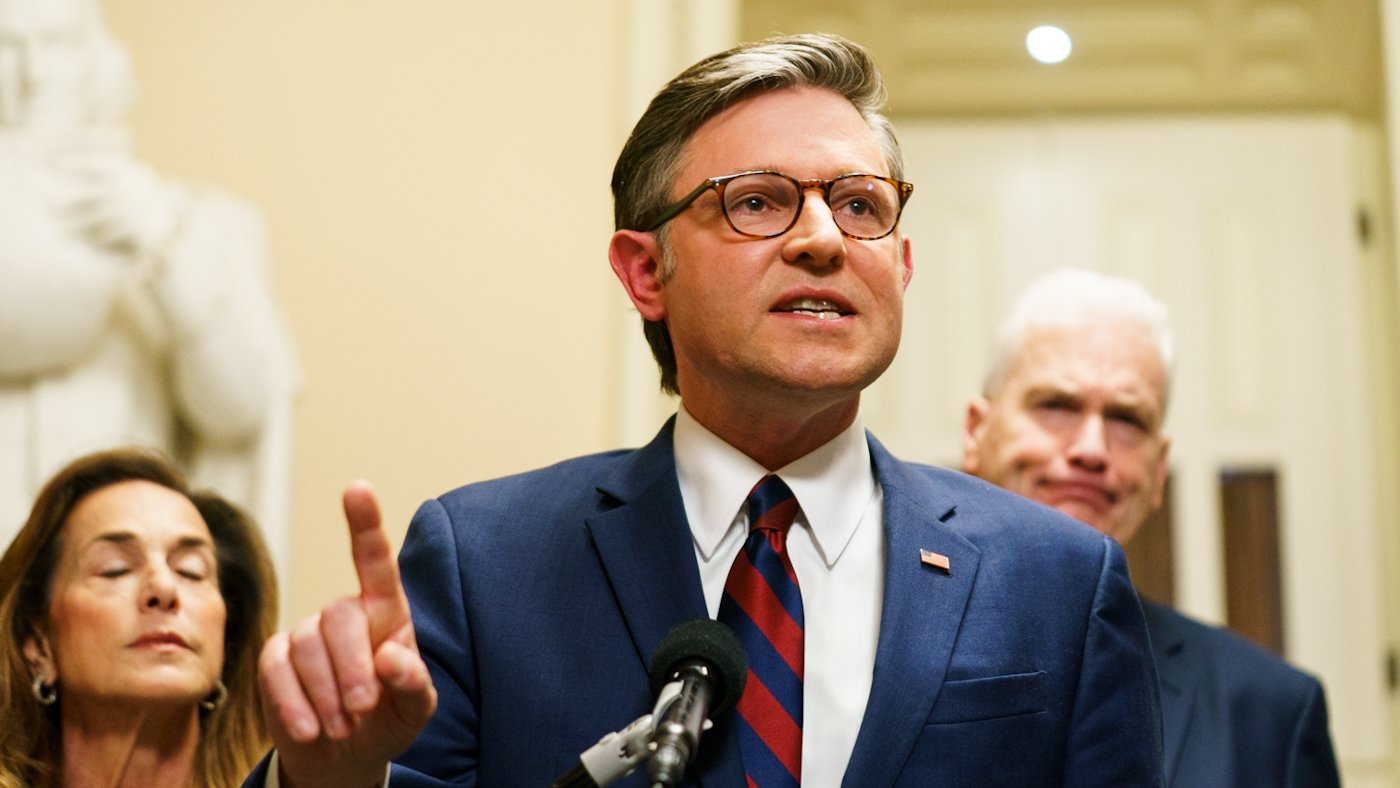
A sharp division among congressional Republicans has left the Department of Homeland Security without full funding for 43 days, after the House rejected a Senate-approved bill. The Senate passed legislation early Friday to fund most of DHS but excluded money for Immigration and Customs Enforcement and the U.S. Border Patrol. House Republicans, led by Speaker Mike Johnson, swiftly dismissed the measure, calling it unacceptable and questioning how their Senate colleagues could have agreed to it.
"This gambit that was done last night is a joke," Johnson said at a press conference, visibly frustrated. "I'm quite convinced that it can't be that every Senate Republican read the language of this bill." He suggested Senate Majority Leader John Thune was not responsible for the bill's passage and instead blamed Democrats. The House then passed its own stopgap bill to fund all DHS agencies, including ICE and the Transportation Security Administration, through May 22. However, with Congress now on a two-week recess, the bill is unlikely to be taken up by the Senate soon, effectively extending the shutdown. This funding impasse highlights a deep Republican rift over immigration enforcement priorities.
Shutdown Impacts and Political Maneuvering
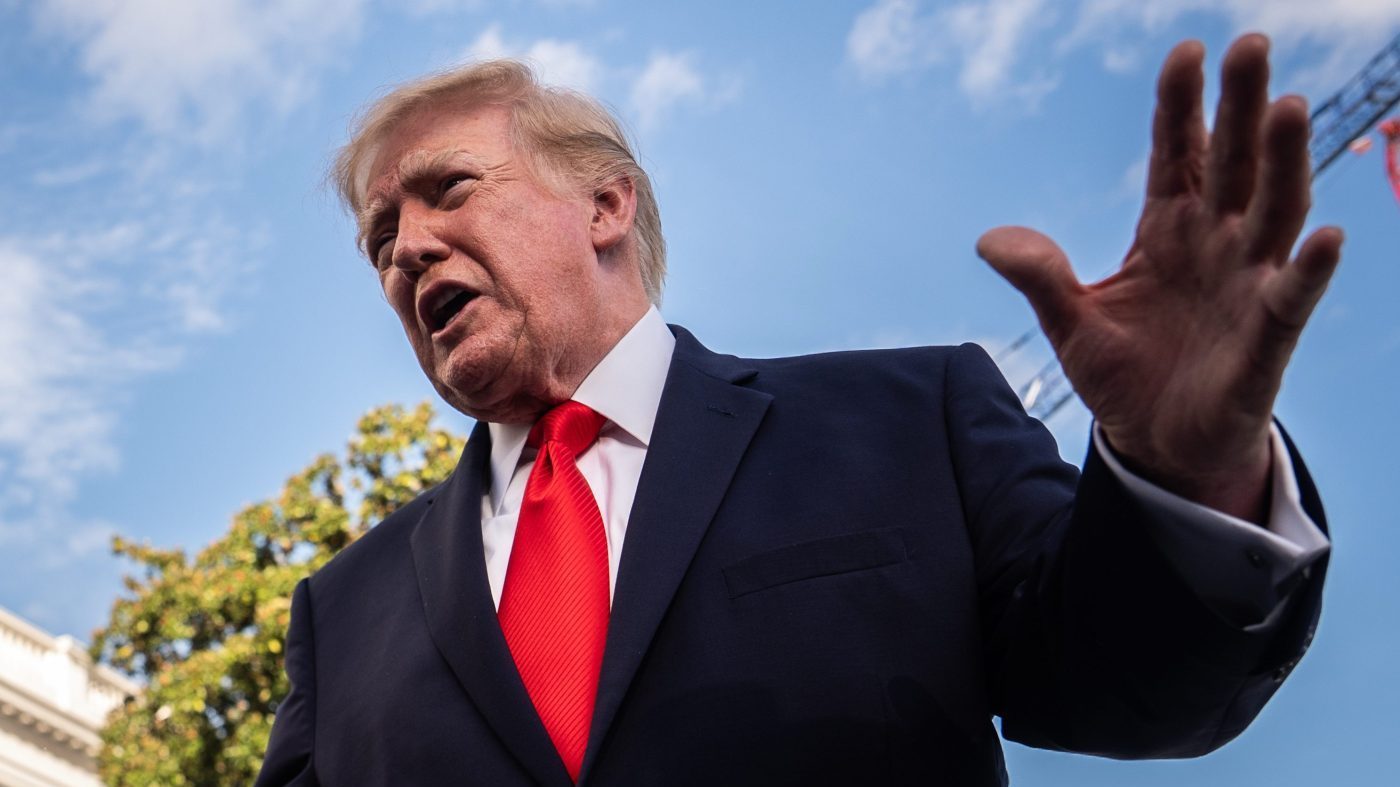
The political standoff has tangible consequences. President Trump directed Homeland Security Secretary Markwayne Mullin to coordinate with budget officials to direct funding toward TSA employees, as the agency has lost approximately 500 workers since the shutdown began. This has led to checkpoint closures, long security lines, and flight disruptions. Senate Minority Leader Chuck Schumer declared the House bill "dead on arrival," while Democrats accused Republicans of political theater. "They know this is a continuation of the shutdown because the Senate is gone," said Democratic Whip Rep. Katherine Clark.
The issue will dominate Sunday news programs. White House border czar Tom Homan, appearing on CBS and CNN, will likely face questions about ICE employees working without pay. House Majority Leader Steve Scalise is expected to defend the House Republican bill on ABC. The ongoing crisis has prompted calls, such as from Senator Mike Lee, for the Senate to return from recess to resolve the stalemate.
Iran Conflict Widens with Regional Strikes
As the domestic funding battle rages, the U.S.-Iran conflict is expanding in the Middle East. The Yemen-based Houthi movement, an Iranian proxy, entered the fray Saturday by launching a missile strike toward Israel, which was intercepted by Israeli defenses. The Houthis had previously issued warnings against the U.S., Israel, and Gulf partners, demanding a diplomatic end to hostilities and cautioning other regional nations against joining attacks on Iran. This direct intervention marks a significant escalation.
The U.S. military presence is also growing. The USS Tripoli arrived in the U.S. Central Command region with about 3,500 sailors and Marines, with two other ships en route. This buildup comes amid bipartisan congressional calls for President Trump to avoid deploying ground troops as part of "Operation Epic Fury," a commitment the President has reiterated. The conflict's human cost became clearer as reports confirmed that twelve U.S. service members were injured in an Iranian missile attack on Prince Sultan Air Base in Saudi Arabia, up from an initial count of ten. This follows an earlier missile strike that injured American troops.
Sunday Show Spotlight on Escalation
Retired Gen. Frank McKenzie, former commander of U.S. Central Command, will be pressed on the military buildup and potential next steps during his appearance on CBS's "Face the Nation." The expanding conflict and its management will be a central topic across the Sunday lineup, which also features lawmakers like Sen. Tom Cotton and Rep. Adam Smith. The situation remains volatile, with the Houthis having issued a direct threat to intervene if their stated red lines are crossed, and some voices, like Steve Bannon, warning of a potential ground invasion. Diplomatic efforts, such as reported Pakistani mediation of U.S.-Iran talks, are ongoing as the conflict enters its second month.