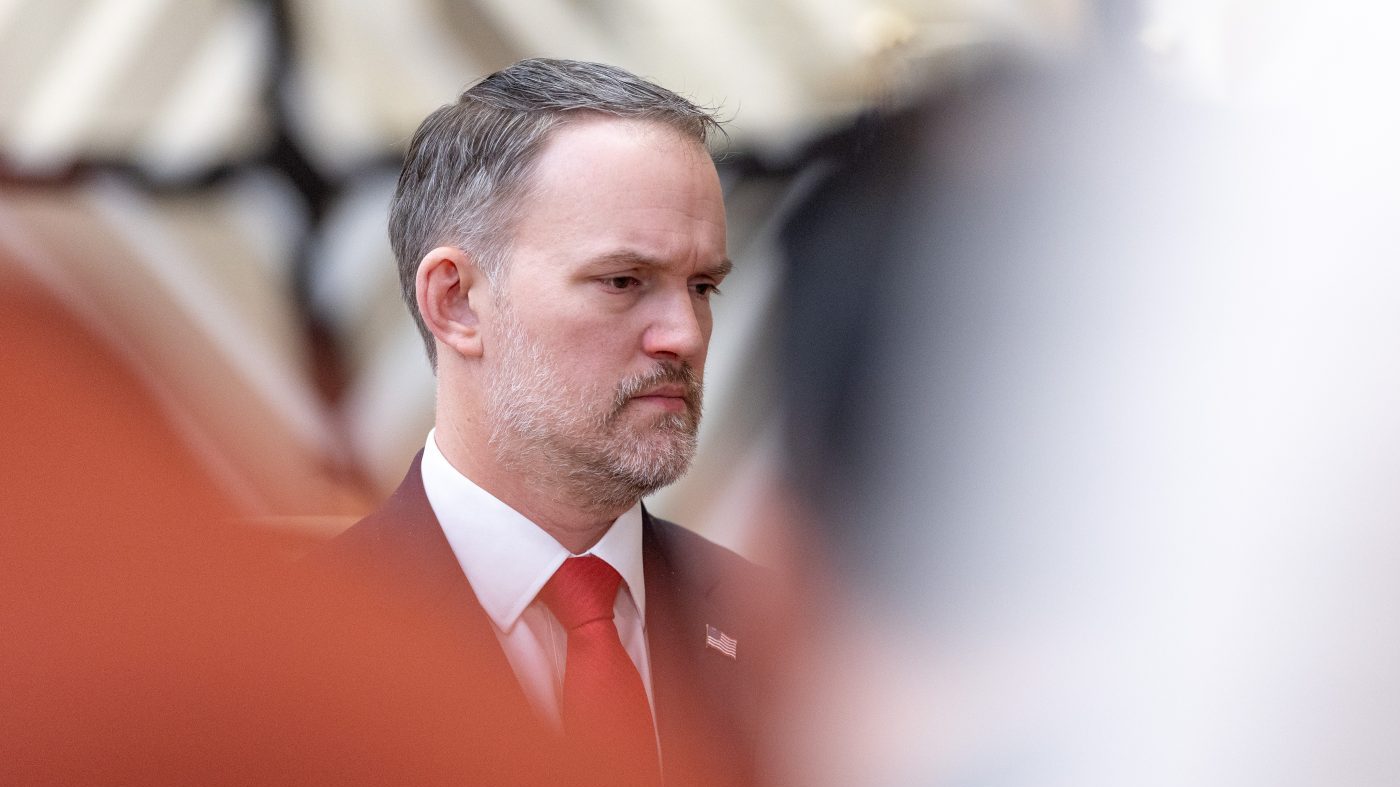
U.S. Trade Representative Jamieson Greer is set to appear before the House Appropriations Committee on Thursday to defend the Trump administration's fiscal 2027 budget proposal for international trade operations. The hearing, scheduled for 11 a.m. EDT, will focus on funding priorities that align with the administration's "America First" economic agenda, including a significant push to bolster domestic investment.
Budget Priorities and Enforcement
The budget request includes a proposed $10 million funding increase for the International Trade Administration, specifically earmarked for enhanced trade enforcement capabilities. This move signals the administration's intent to intensify scrutiny of international trade practices and agreements, even as it faces legal challenges to its tariff policies. The request comes amid broader White House budget negotiations that have sparked partisan debate over spending priorities.

Legal Context and Tariff Response
Greer's testimony follows a significant judicial setback for the administration's trade policy. Earlier this year, the Supreme Court invalidated the president's use of emergency tariffs, ruling that the executive overstepped its authority. In response, President Trump invoked a provision of the Trade Act of 1974 to implement a new 10 percent global tariff, a move that has already prompted fresh legal challenges in trade court. This legal back-and-forth underscores the contentious nature of the administration's trade strategy and sets the stage for Greer's difficult questioning before the committee.
The administration's aggressive tariff posture represents a central pillar of its economic philosophy, which prioritizes domestic manufacturing and seeks to recalibrate global trade relationships. However, this approach has drawn criticism from trading partners and some domestic industries that rely on imported materials. The budget request for increased enforcement suggests the White House anticipates continued trade friction and intends to allocate resources accordingly.
Broader Budget Battle
Thursday's hearing occurs within the larger context of the administration's $1.5 trillion defense budget request and proposed domestic spending cuts, which have drawn sharp criticism from Democratic leaders. Trade policy does not exist in a vacuum; it intersects with national security, economic growth, and diplomatic relationships. Greer will likely face questions about how the trade budget complements other administration priorities, including the substantial defense spending increase and potential cuts to agencies like NOAA, where the White House Budget Office has withheld climate research funds.
Lawmakers are expected to probe the practical implications of the proposed enforcement funding. Will it translate to more investigations of foreign subsidies or dumping? How will it affect the ongoing process to refund billions in invalidated tariffs? The hearing may also touch on the administration's recent shift toward uniformly negative trade rhetoric and its impact on diplomatic negotiations.
Political Stakes and Outlook
For the Trump administration, this budget represents a concrete request to fund its trade vision beyond rhetoric. The $10 million enforcement boost, while modest in the scope of the entire federal budget, is symbolically important as a declaration of intent. It suggests a belief that confrontational trade policies will remain a fixture, requiring robust monitoring and legal capacity.
The hearing comes at a precarious moment for U.S. trade policy, caught between judicial pushback, legislative scrutiny, and global economic uncertainty. Greer's performance before appropriators will be watched closely by markets, foreign governments, and domestic industries alike. His ability to articulate a coherent budgetary rationale for the administration's trade agenda could influence both funding outcomes and the political narrative surrounding "America First" economics as the 2027 budget process moves forward.