With the midterm elections just 90 days away, Republicans are facing a strategic dilemma: their go-to playbook of labeling Democrats as socialists and extremists may no longer be enough to secure victory. While the leftward shift of the Democratic Party has handed the GOP ample ammunition, party strategists are increasingly aware that voters are looking for more than just red-baiting.
The nomination of Abdul El-Sayed, a progressive Muslim activist with a history of anti-Israel rhetoric, for Michigan's Senate seat has energized the GOP base. Polls show him running nearly even with Republican Mike Rogers, but the party's excitement over such candidates masks a deeper problem: the socialist label is losing its sting, especially among younger voters. According to a Cato Institute survey, nearly two-thirds of Americans aged 18 to 29 view socialism favorably, and El-Sayed's strong performance in college towns underscores this trend.

Meanwhile, Democrats are not just winning in deep-blue enclaves. Their message is resonating in a country that has grown skeptical of capitalism and less supportive of Israel. The Real Clear Politics generic ballot shows Democrats with a 7-point lead, and other polls indicate their favorability is climbing. Nate Silver has suggested that Republicans could retain the House, but only if they win the argument that Democrats are too far left—and, crucially, if they offer something positive.
So far, the GOP's legislative record offers little to campaign on. After passing the Big Beautiful Bill in the first year of Trump's second term, Congress has stalled. A $70 billion reconciliation package funding ICE and Customs and Border Patrol is a modest achievement, but it hardly excites voters. The SAVE Act, which includes voter ID provisions, has been blocked by several Republican senators, and efforts to advance further tax cuts have faltered.
Pollster John McLaughlin's recent surveys show that voters want more than just attacks. A majority (51%) support additional tax cuts to boost economic growth, and 71% back a measure allowing homeowners to transfer low-interest mortgages to new homes. Two-thirds favor reducing income tax rates for middle-income Americans, and a strong majority want capital gains taxes indexed for inflation.
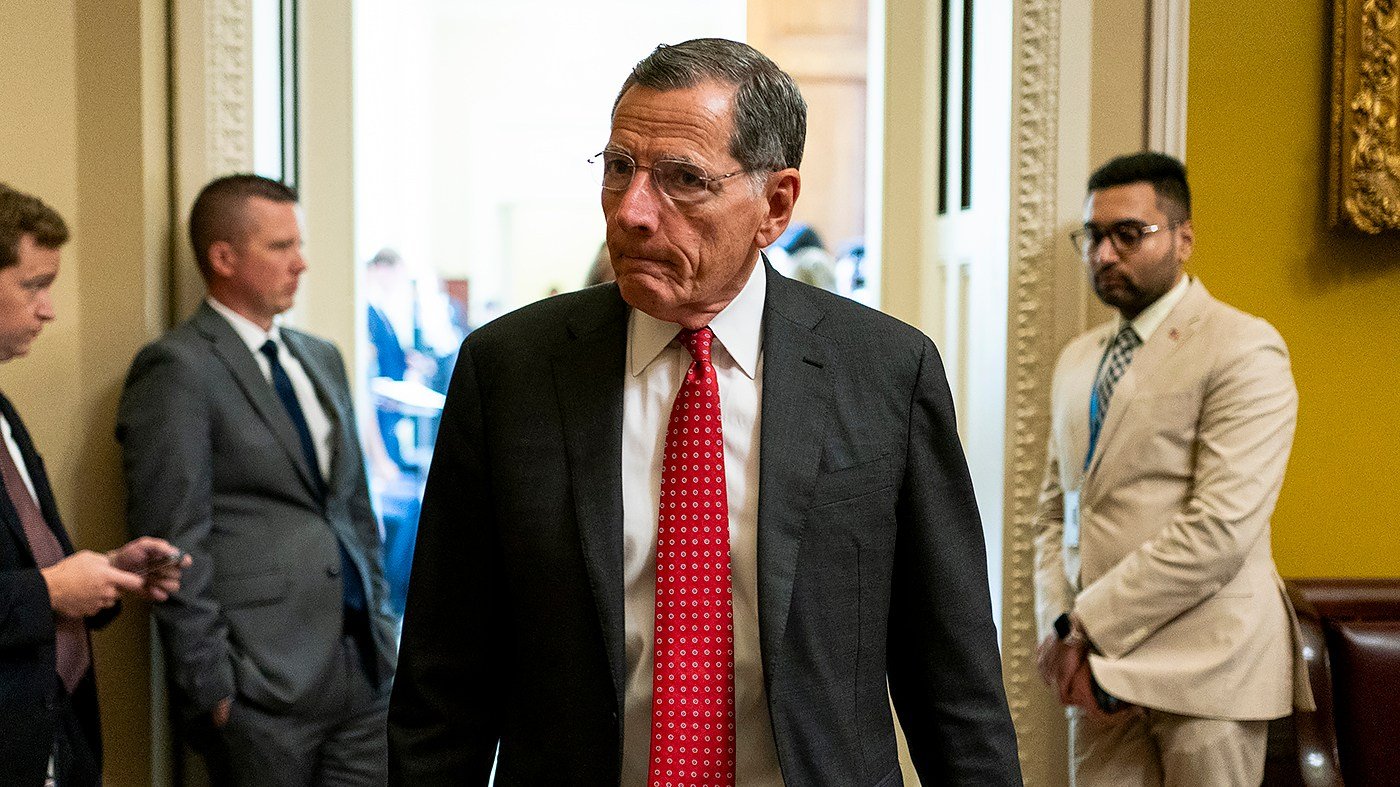
Yet Senate Majority Leader John Thune appears reluctant to push these popular measures. As a result, Republicans are left with a thin message that relies on pointing out Democratic extremism, such as calls to abolish the police, eliminate the Electoral College, or cancel Thanksgiving—as Wisconsin gubernatorial candidate Francesca Hong has proposed.
But as one GOP strategist put it, "It's not enough just to point out all the kookery." Voters are looking for solutions, not just warnings. The party's failure to deliver on its promises, from tax cuts to election integrity, is a missed opportunity. With time running out, Republicans must decide whether to offer a positive vision or risk losing the House and Senate.
The stakes are high, and the party's base is restless. As Democrats hold an 8-point edge in a new midterm poll, the GOP's path to victory is narrowing. The question is whether they can pivot from a purely oppositional stance to one that gives voters a reason to keep them in power.