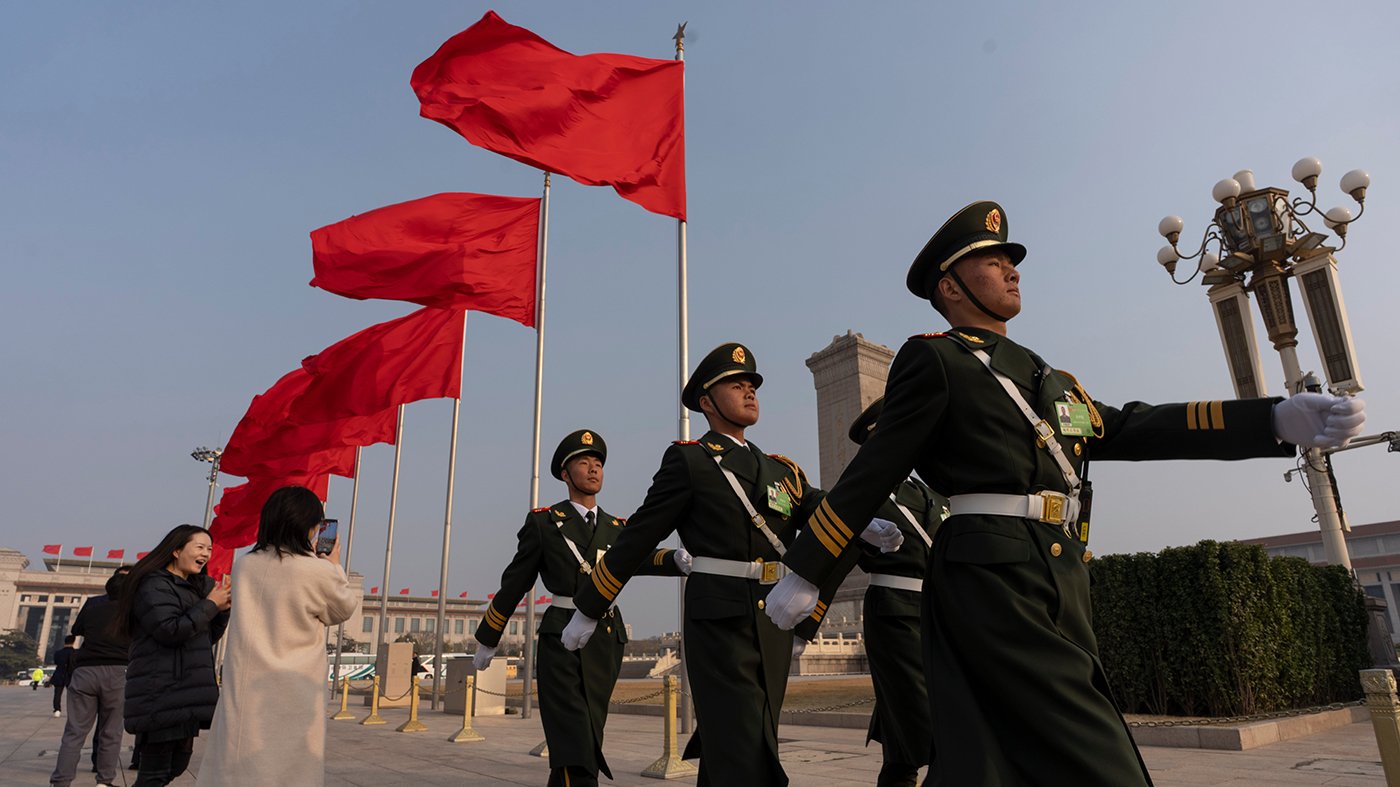
A new global survey from Gallup reveals a significant shift in international perceptions of the world's leading powers. For the first time in nearly two decades, global approval of China's leadership has surpassed that of the United States, creating the widest favorability gap between the two nations since the mid-2000s.
The Numbers: A Clear Shift
According to the poll released Friday, median global approval of China's leadership reached 36% in 2025, a four-point increase from the previous year. Meanwhile, approval of U.S. leadership fell to 31%, marking an eight-point decline since 2024. This five-point differential represents the most substantial lead China has held over the U.S. in the survey's recent history.

Disapproval ratings tell a complementary story. While disapproval of China's leadership remained steady at 37%, disapproval of U.S. leadership climbed to a record-high 48%. This resulted in negative net approval ratings for both nations for the second consecutive year. China's median net approval dipped slightly to -1, while the U.S. plummeted to a record-low net approval of -15.
Geopolitical Alignment and Ambivalence
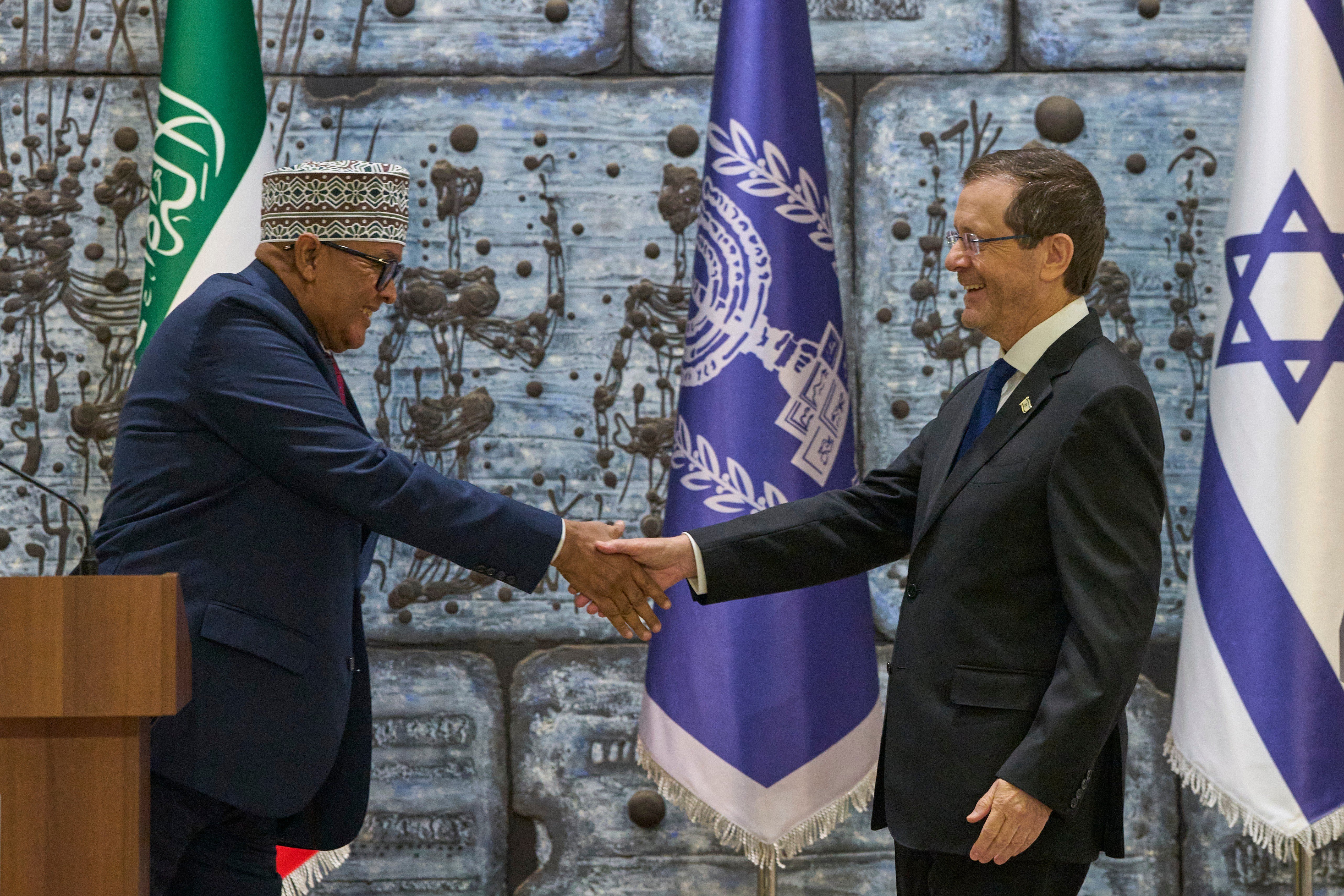
The poll identifies distinct regional patterns. China finds its strongest relative alignment in nations including Russia, Pakistan, Tunisia, and Singapore. Gallup analysts note that this alignment often "reflects deep negativity toward the U.S. more than strong enthusiasm for China." Conversely, countries like Israel, Poland, Kosovo, the Philippines, and Albania show clear preference for U.S. leadership, with their net approval of America closely mirroring their net disapproval of China.
Despite these polarized camps, the data suggests most countries maintain a degree of ambivalence. Only 8% of countries show strong alignment with China, compared to 5% strongly aligned with the U.S. A significant 40% are weakly aligned to either power, with a 32% to 8% split favoring China. Notably, the percentage of respondents with no opinion reached some of the lowest levels in nearly 20 years—16% for China and 13% for the U.S. "This suggests that global views of both powers are becoming more defined, with more people forming clear opinions in both positive and negative directions," Gallup stated.
Context of Strategic Competition
These findings emerge against a backdrop of heightened strategic competition and persistent trade tensions. The poll's release follows President Trump's decision to delay a planned visit to China, citing the ongoing U.S.-Israeli conflict with Iran. The president stated last month that although he wants to visit, "because of the war, I want to be here." The delay was announced after Trump called for international assistance to reopen the Strait of Hormuz, a critical global economic chokepoint closed by Iran following the outbreak of hostilities.
White House press secretary Karoline Leavitt previously asserted that Trump's anticipated meeting with Chinese President Xi Jinping was not "in jeopardy," despite the postponement. The geopolitical landscape is further complicated by China's strategic and economic ties with Iran, and ongoing debates in Washington about vulnerabilities, including concerns over U.S. pharmaceutical dependence on China.
The Middle East conflict has also fueled global energy price concerns and market disruptions, creating economic headwinds that may influence international perceptions of U.S. stewardship. This poll provides a quantitative snapshot of global sentiment at a moment when traditional alliances are being tested and the narrative of American primacy faces renewed challenges.