The Food and Drug Administration has issued another emergency use authorization for a screwworm medication, this time clearing the way for Simparica TRIO to be used against the flesh-eating parasite that has now infected 45 animals in Texas and New Mexico.
The authorization, announced Thursday, marks the latest federal response to the growing screwworm outbreak along the U.S.-Mexico border. The parasite, which primarily strikes livestock, has also been found in domesticated dogs, prompting urgent calls for additional treatment options.
In its emergency authorization, the FDA said it determined that “the known and potential benefits of the product outweigh its known and potential risks,” effectively giving veterinarians and pet owners a new tool against the infestation.
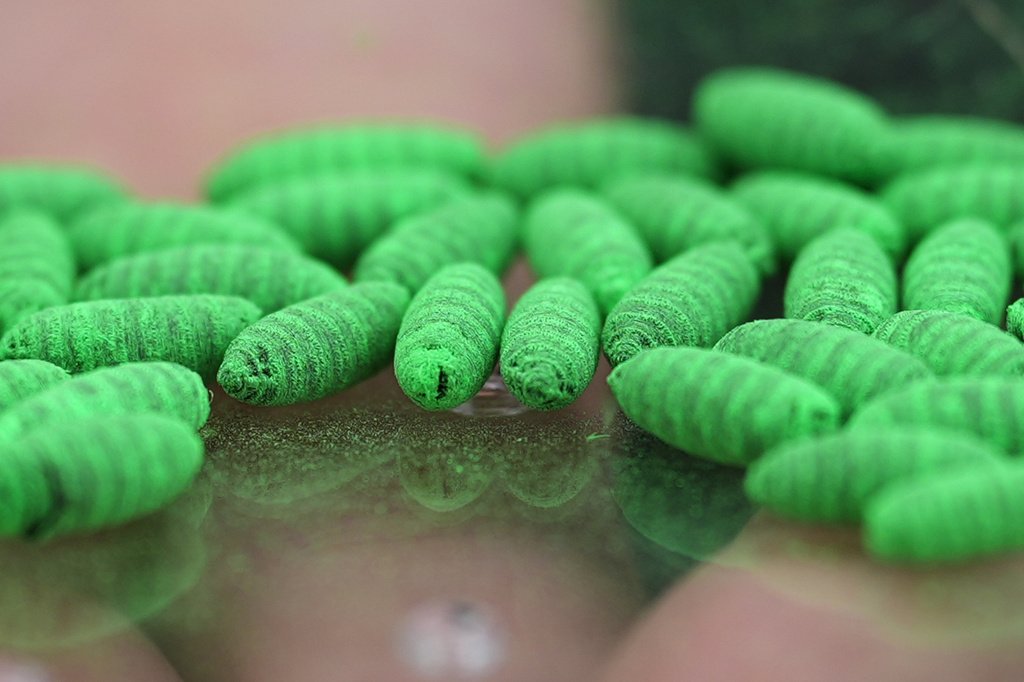
Screwworm infestations occur when adult flies lay eggs in open wounds, or in natural openings such as the nose, mouth, ears, or eyes. The eggs hatch into larvae—commonly known as maggots—that burrow deeper into the host’s flesh, causing severe tissue damage and, if untreated, can be fatal.
While the current case count stands at 45, all in Texas and New Mexico, the threat has drawn national attention. Agriculture Secretary Brooke Rollins addressed the issue in June 2026, underscoring the administration’s concern over the parasite’s spread.
The FDA’s decision follows USDA efforts to accelerate the opening of a sterile fly facility in Texas, a key part of the strategy to contain the outbreak. The facility is designed to release sterile male flies to disrupt the screwworm’s reproductive cycle.
For pet owners, the new authorization offers hope. Previously, treatment options were limited, and the disease often required costly and invasive procedures. With Simparica TRIO now available under emergency use, veterinarians can administer an oral medication that has been shown to be effective against the parasite.
But experts caution that prevention remains the best approach. They advise keeping pets away from livestock areas, promptly cleaning and covering any wounds, and reporting suspicious lesions to a veterinarian immediately.
The FDA’s move is part of a broader federal response that includes increased surveillance, quarantine measures, and public awareness campaigns. As the outbreak continues to evolve, officials are urging vigilance among pet owners and livestock producers alike.
With the number of cases still climbing, the authorization of additional treatments is seen as a critical step in protecting both animal and public health. The agency has indicated it will continue to evaluate other products for potential emergency use as the situation develops.