For generations, public health operated as a quiet guardian, working behind the scenes to protect communities from outbreaks and environmental hazards. But the COVID-19 pandemic shattered that anonymity, thrusting health officials and their decisions into the political spotlight. Now, as the 2026 midterms approach, public health has firmly established itself as a campaign issue, with voters expecting candidates to articulate clear positions on everything from vaccine policy to hospital funding.
The distinction between public health and healthcare is crucial: public health focuses on safeguarding the well-being of entire populations, while healthcare addresses individual patients. Yet the two are deeply interconnected. Changes in public health policy can ripple through communities, affecting everything from disease prevention to the cost of care. This is why voters need to scrutinize where their candidates stand on a range of health-related issues.
Community Threats and Preparedness
Candidates should be pressed on the most pressing health threats facing their districts. What specific dangers do they foresee, and how would they ensure early detection and rapid response? The pandemic exposed gaps in the nation's public health infrastructure, and voters deserve to know how their representatives plan to close those gaps. Who would lead a future outbreak response, and what authority would they grant to local health departments?
Food Safety and Nutrition
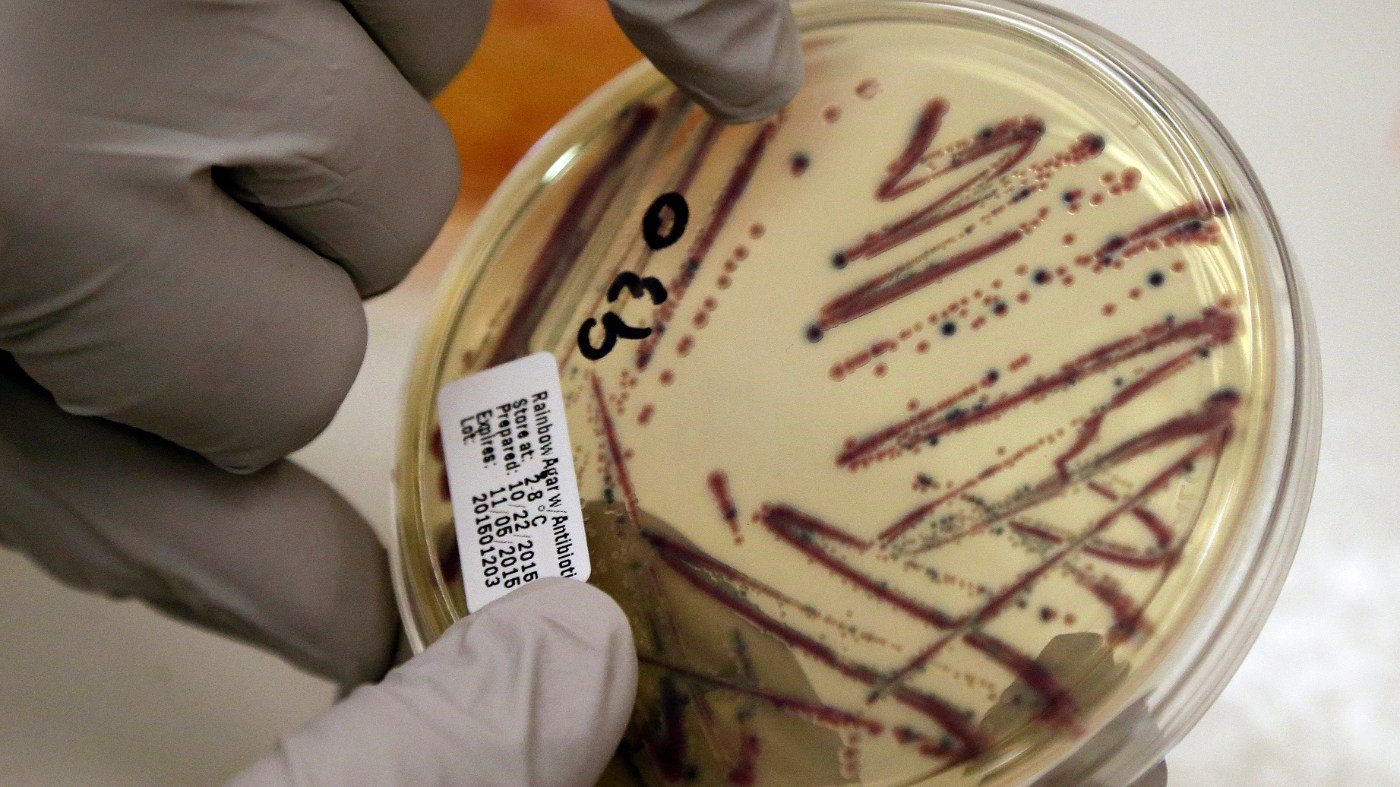
Food safety is another front where public policy meets daily life. Recent outbreaks, such as the cyclosporiasis contamination that sickened tens of thousands, highlight the vulnerability of the food supply. Lawmakers are increasingly focusing on nutrition, but ensuring that the food on Americans' plates is safe requires robust oversight and swift action when problems arise. Candidates should outline their plans to strengthen food safety regulations and coordinate with federal agencies during outbreaks.
Children's Mental Health
The youth mental health crisis has worsened since the pandemic, yet some states have scaled back data collection on children's behavioral health. This lack of information hampers efforts to provide adequate services. Voters should ask candidates how they would assess the mental health needs of children in their communities, what services are currently available, and whether they are sufficient. Candidates should propose concrete programs to expand access to mental health care for young people.
Vaccination Requirements
Vaccination policies remain a divisive issue. With childhood vaccination rates declining, some communities are seeing outbreaks of preventable diseases like measles and whooping cough. Candidates must clarify their position on school-entry vaccine mandates. They should also explain how they would respond to an outbreak in their district, including the role of local health departments in containment and public communication.
Climate Change and Health
Climate change is no longer just an environmental issue—it's a public health emergency. Increasing wildfires, extreme heat, and the spread of insect-borne diseases are direct consequences. Candidates need to acknowledge the local impacts of climate change and propose measures to protect residents, particularly vulnerable populations like children and the elderly. This includes ensuring schools and recreational areas are safe from climate-related hazards.
Healthcare Access and Insurance
Access to healthcare remains a fundamental concern. Recent federal actions, including the One Big Beautiful Bill Act and the removal of 750,000 people from Affordable Care Act coverage, are expected to increase the number of uninsured Americans. This will likely strain emergency rooms, which are already overburdened. Candidates should explain how they would address coverage gaps and ensure that all residents can obtain necessary medical care.
Rural hospitals are on the brink. The same legislation has put financial pressure on these institutions, and projections suggest that up to a third could close in the near future. While programs like the Rural Health Transformation Program offer some relief, they are unlikely to offset the losses. State-level initiatives are needed to support these critical facilities, and candidates must detail their plans to keep rural healthcare alive.
Policy Development and Transparency
Finally, voters should ask how candidates will develop public health policy. The process is complex, requiring input from medical experts, community leaders, and other stakeholders. Candidates should outline how they would gather evidence, which organizations they would consult, and how they would balance recommendations from established medical bodies against those from alternative sources. Transparency in this process is essential to build public trust.
As public health becomes a permanent fixture in political discourse, it is imperative that elected officials give it the attention it deserves. The decisions made in the next few years will shape the health of communities for decades. Voters have the power to demand accountability, and candidates must be ready to answer.