The U.S. Department of Agriculture (USDA) said Monday that a sterile fly facility in Edinburg, Texas, will begin operations this spring, seven months earlier than originally planned, as federal officials scramble to contain a New World Screwworm (NWS) outbreak that has spread across two states.
The facility, located at the former Moore Air Base roughly 20 miles from the Texas-Mexico border, is a key component of the government's response to the parasite that has infected livestock and wildlife. The USDA's dedicated social media account for the outbreak response confirmed the accelerated timeline.

Agriculture Secretary Brooke Rollins told lawmakers in June that construction had started in April and was moving at "Trump [administration] speed" to be "operational by the end of next year." The new opening date this spring marks a significant acceleration, reflecting the urgency of the situation.
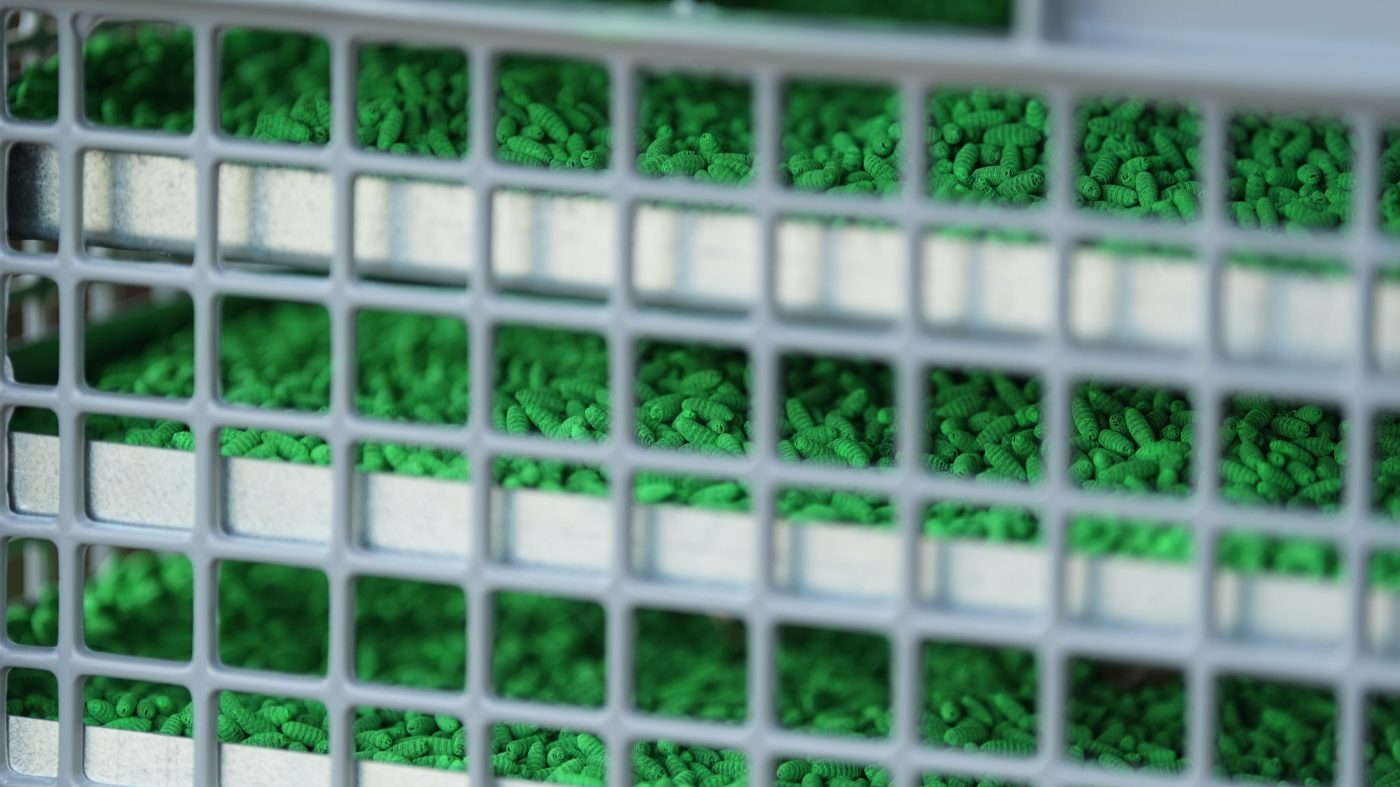
Once fully operational—expected by late 2028—the plant aims to produce 300 million sterile flies per week. These flies are used in the Sterile Insect Technique (SIT), a proven, environmentally friendly method that introduces sterilized males into the wild to mate with fertile females, thereby reducing the reproductive capacity of the NWS population.
The Texas facility will work in tandem with existing sterile fly plants in Panama and Mexico, creating a regional defense network against the pest. The proximity to the border is strategic, as officials aim to prevent the parasite from becoming established in the U.S.
The outbreak was first detected in a bovine in Texas in June, prompting urgent appeals from state officials and federal lawmakers. According to the USDA's latest update on Monday, there have been 45 domestic cases across Texas and New Mexico, with four still active. Crockett County, Texas, has been hit hardest, reporting 11 cases since June, despite its small population of just over 3,000 in the 2020 census.
In a related development, the U.S. Food and Drug Administration (FDA) issued an emergency use authorization on Friday for a wound spray called "CLiK Extra," which can treat animals infected with NWS. Texas Agriculture Commissioner Sid Miller, who had previously criticized the federal response as "slow, bureaucratic, and incomplete," praised the Trump administration for the approval.
Miller called the authorization an "important victory" but stressed that it "must be matched by an all-out eradication campaign that pushes the screwworm back across the border and keeps it there." He added, "I also urge the federal government to fully embrace the aggressive eradication strategy this crisis demands. Texas producers deserve nothing less than a comprehensive plan that doesn't just slow the screwworm, it defeats it once and for all."
The accelerated opening of the sterile fly facility is part of a broader federal push to address the outbreak, which has also drawn attention to the economic pressures on Texas agriculture and the political stakes for the administration. The USDA's response has been closely watched, as the parasite poses a significant threat to livestock health and the agricultural economy.