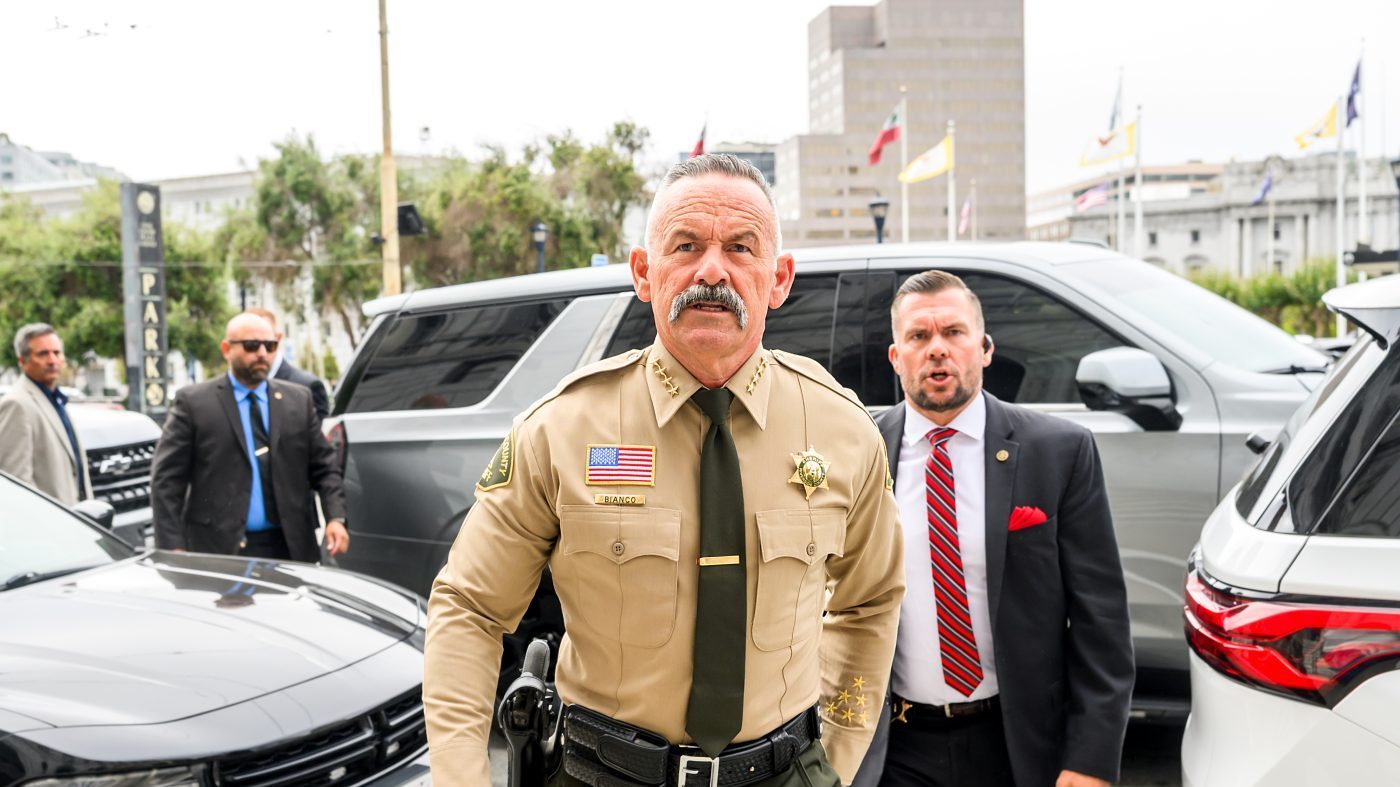
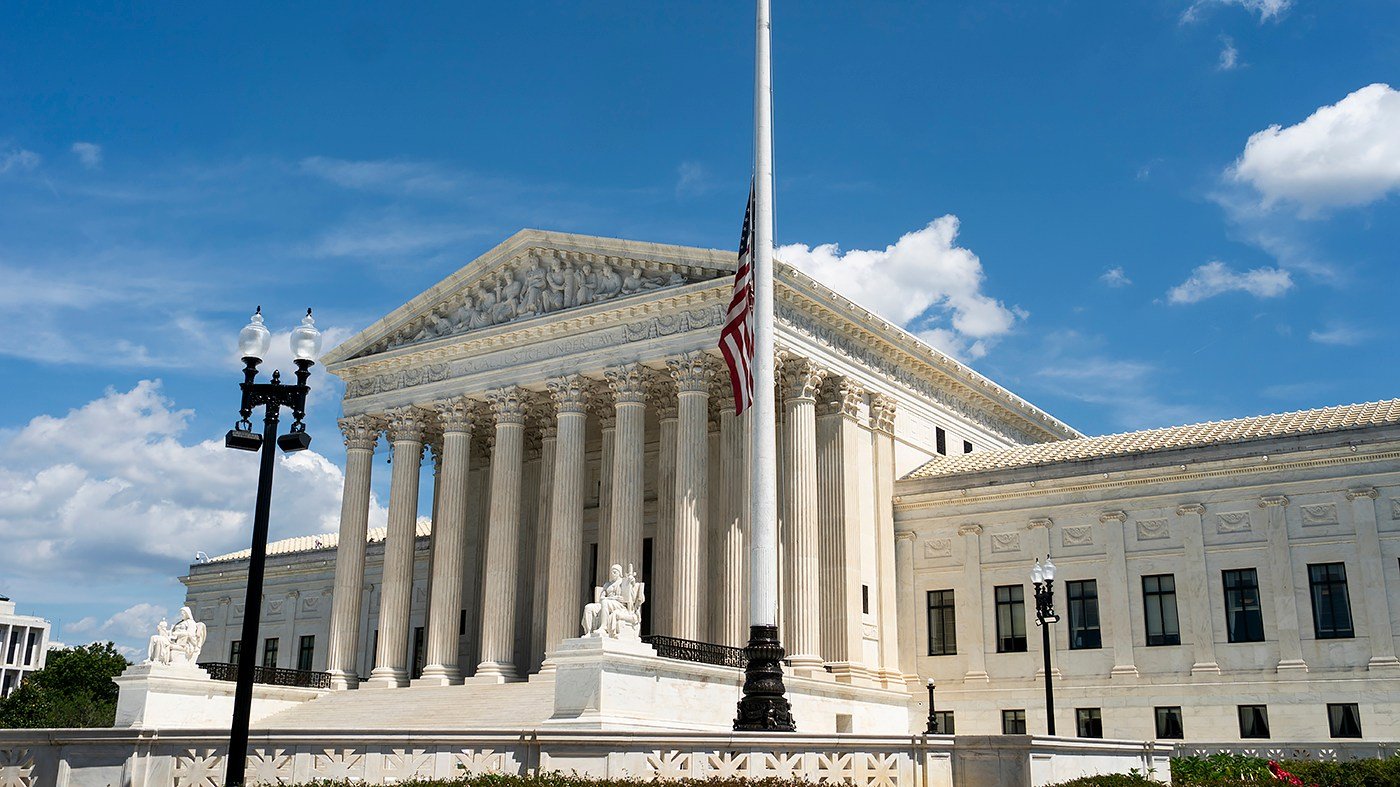
The California Supreme Court on Tuesday ordered Riverside County Sheriff Chad Bianco to return roughly 650,000 ballots he confiscated earlier this year, ruling that the seizure violated state election law. The unanimous decision delivers a sharp rebuke to Bianco, a former Republican candidate for governor who claimed the ballots were evidence of election fraud.
The court found that Bianco's actions were "unlawful" because California's Elections Code states that "[i]n no event" shall voted ballots be "taken from the custody of the elections official." The justices emphasized that while election misconduct can be investigated, law enforcement must follow specific procedures that Bianco ignored. "If election misconduct is suspected, the Elections Code provides several mechanisms for law enforcement to review and examine ballots without compromising their integrity," the court wrote. "But those procedures were not followed and the type of seizure that occurred here directly conflicts with the Elections Code's carefully considered and controlling provisions."
The court ordered Bianco to return all seized ballots and to "refrain from further handling of the ballots except as necessary to comply with this order." The ruling comes after Bianco took the ballots in March from a November special election that approved a redrawn congressional map favoring Democrats. He defended the seizure as part of a criminal investigation into election fraud, alleging that the results were off by 45,800 votes. However, Attorney General Rob Bonta and Riverside County Registrar of Voters Art Tinoco said the discrepancy was only about 100 votes.
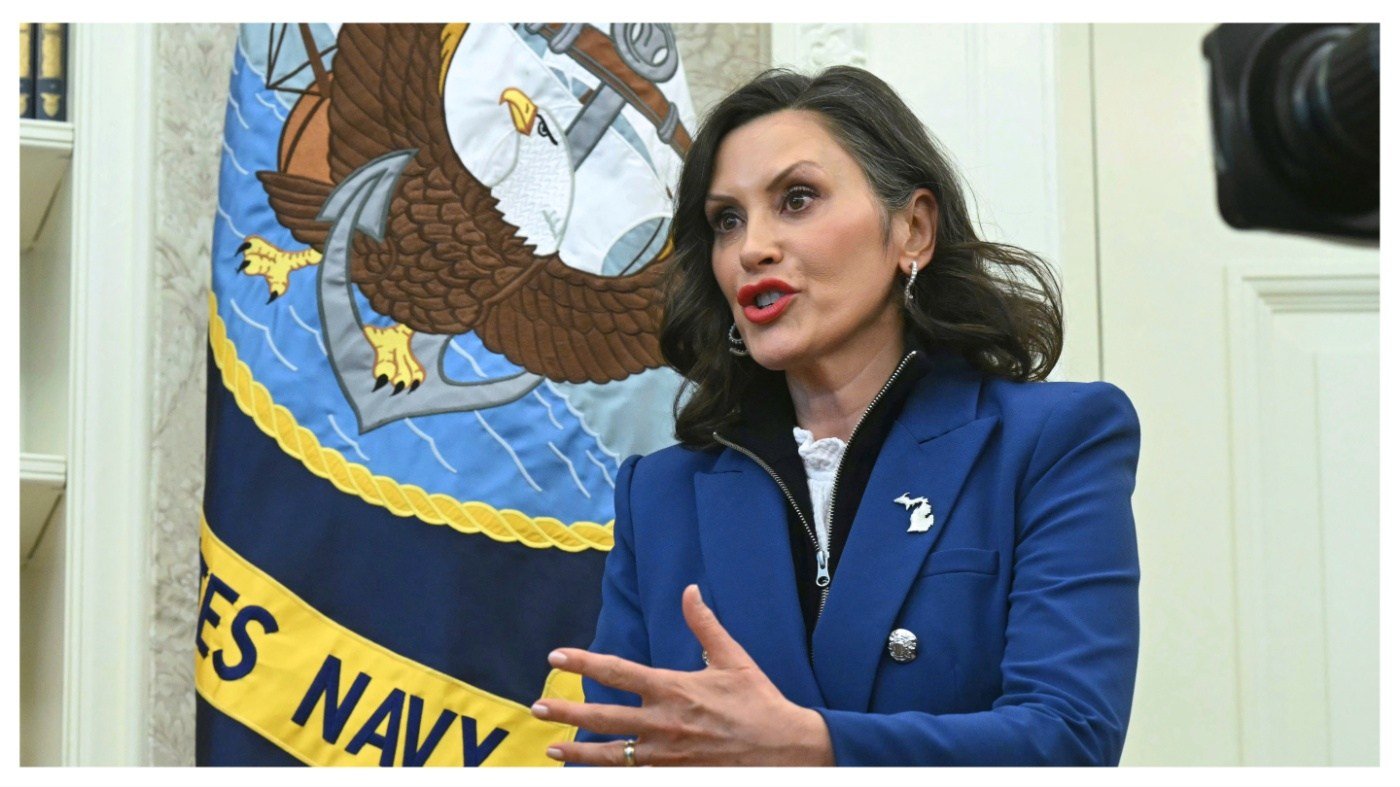
Bonta praised the ruling, saying, "Election fraud can and should be investigated. But misuse of criminal investigative tools — without any evidence that a crime was committed — needlessly undermines trust in our elections system and in law enforcement." The attorney general has been active in pushing back against what he describes as politically motivated attacks on election administration, similar to his efforts in other cases defending democratic institutions.
Governor Gavin Newsom also welcomed the decision, stating in a press release that the ruling "affirms that in California we will defend democracy — using every branch of government." He added, "People deserve to know their ballot is counted and secure, and in California we will do everything we can to protect that constitutional right — this year, and beyond." Newsom recently signed a legislative package aimed at safeguarding the state's election process from interference, directly targeting actions like Bianco's seizure.
The new congressional map, which was the subject of the special election, will be used in the 2026 midterms as well as the 2028 and 2030 elections. The legal battle over the ballots is part of a broader national clash over election integrity and the limits of law enforcement involvement in electoral matters, echoing disputes like the Missouri redistricting fight that have reached the Supreme Court.
Bianco paused his investigation "because of the politically motivated lawsuits and court filings," according to the Los Angeles Times. His office did not respond immediately to a request for comment from The Hill.
The ruling is a significant victory for state election officials and Democrats who argued that Bianco's seizure was a dangerous overreach that could undermine public confidence in the voting process. It also underscores the ongoing tension between local law enforcement and state authorities over the handling of elections, a flashpoint that has intensified since the 2020 election. As the 2026 midterms approach, the decision reinforces California's strict protections for ballot custody and could set a precedent for similar disputes nationwide.