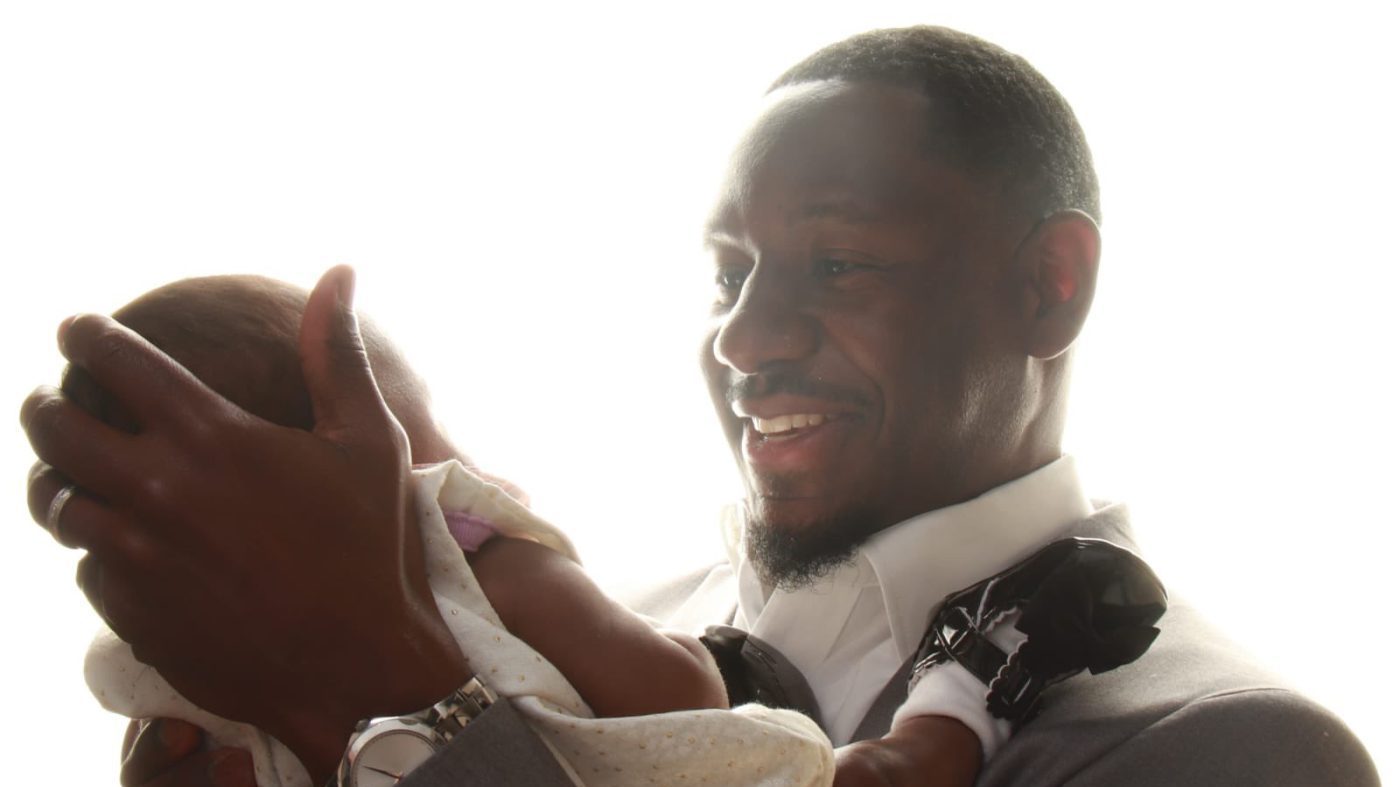
The juror who stood alone in the Lindsay Clancy murder trial is preparing to step back into his everyday routine after weeks of intense public attention. Michael Desronvil, identified as the lone holdout who voted to convict the Massachusetts mother accused of killing her three children, told his attorney he intends to resume his day job next week.
Desronvil's lawyer, Edward Paltzik, confirmed to TMZ that his client has been lying low since the trial concluded, spending time with his girlfriend and attending church while processing the experience. The trial lasted more than five weeks, followed by seven days of jury deliberations that ultimately ended in a mistrial when the panel could not reach a unanimous verdict.
The case centered on whether Clancy, who admitted to killing her children, should be held criminally responsible or found not guilty by reason of insanity due to postpartum psychosis. Prosecutors argued the killings were premeditated, while the defense contended she was suffering from a severe mental health crisis and was not legally culpable.
The jury, composed of nine women and three men, was deeply divided. Eleven jurors voted to acquit Clancy on insanity grounds, but Desronvil held firm in his belief that she was guilty of the crime. His stance drew sharp criticism from the jury foreperson and other members, who suggested he ignored the judge's instructions on reasonable doubt. Desronvil has denied those accusations, insisting he followed the law as he understood it.
Since the mistrial, Desronvil said he has been doxxed, with his personal information and legal history posted online by people angered by his position. Defense attorney Kevin Reddington has called for an investigation into Desronvil's conduct during the trial, including his answers on a pretrial questionnaire and allegations that he used his cell phone during deliberations.
Paltzik pushed back against that motion, arguing that probing a juror's actions would have a chilling effect on jury service and open the door to post-verdict investigations whenever lawyers disagree with outcomes. He emphasized that Desronvil is eager to move on from the ordeal.
The case has drawn national attention, with debates over mental health, criminal responsibility, and the pressures of motherhood. Patrick Clancy, the children's father, has spoken publicly about his loss, leaning on his deceased children for strength. Meanwhile, the legal battle continues, with the defense filing a motion to dismiss on double jeopardy grounds, arguing that a retrial would violate Clancy's constitutional protections.
As Desronvil prepares to return to normal life, the broader implications for the justice system and public scrutiny of jurors remain topics of discussion. The mistrial leaves the case unresolved, and the possibility of a retrial looms, though no date has been set.