A 30-second television spot featuring President Trump’s voice and paid for with federal dollars has ignited a bipartisan firestorm, with critics charging that it amounts to a taxpayer-funded campaign ad just weeks before the midterm elections. The commercial, which began airing Wednesday night on Fox News and Newsmax during conservative programming, declares that “together we will defeat communism, socialism, and Marxism in America” and that “America will never be a communist country.”
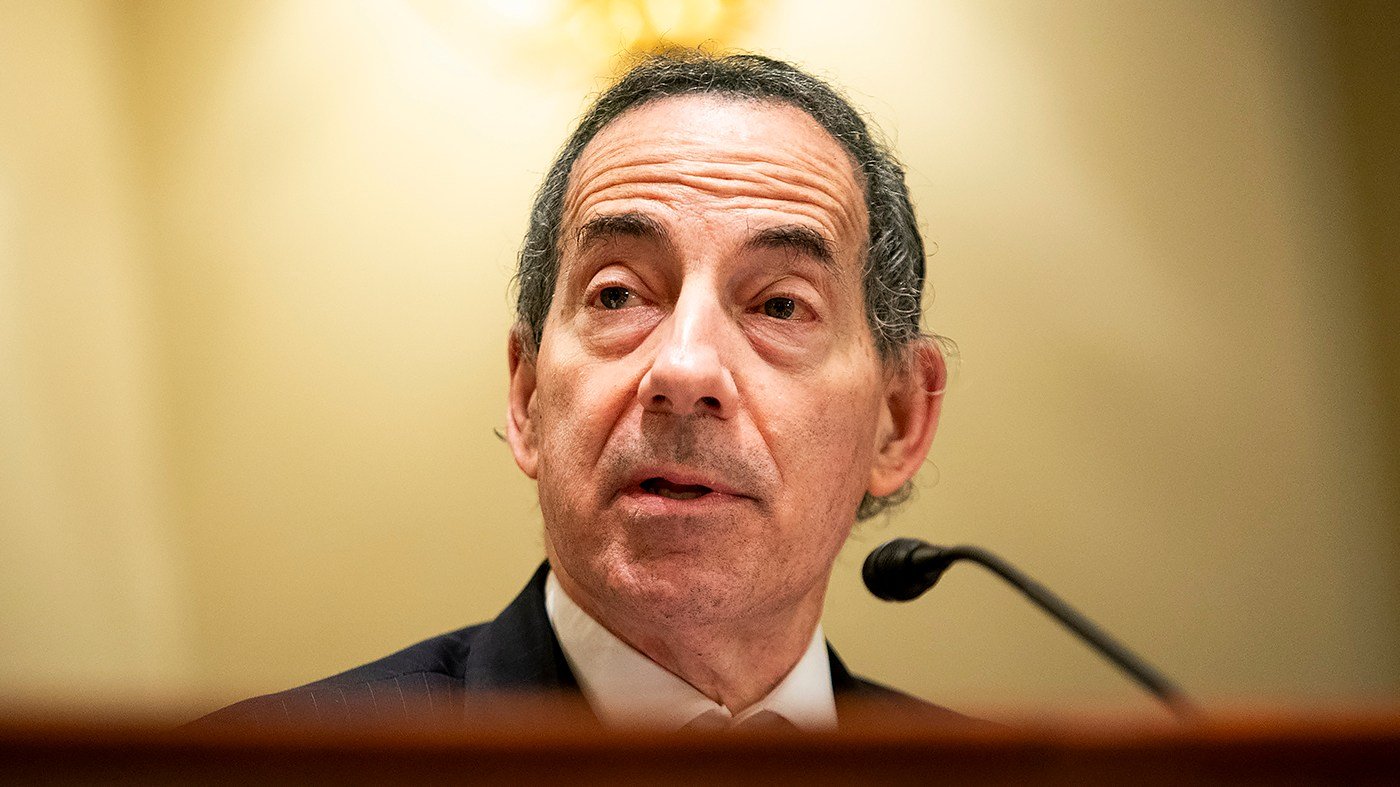
Rep. Jamie Raskin (D-Md.) accused the administration of violating the Hatch Act, which restricts political activity by federal employees. “This may be felony criminal theft and conversion of government property for political campaign purposes,” Raskin wrote on X. “It is a Hatch Act violation for any government employees who worked on it or used government resources to make it.” He added that the ad is “blatantly unethical under numerous federal ethics provisions proscribing the use of government resources for political campaigns.”
Sen. Thom Tillis (R-N.C.) also criticized the spot, telling reporters it was “inappropriate” and likening it to tactics used by Hungarian Prime Minister Viktor Orban. “It’s not like they need a GoFundMe page to have the dollars to do that sort of ad and they could do it. But using taxpayer dollars, it feels like Viktor Orban,” Tillis said. Sen. John Kennedy (R-La.) told the Associated Press he hadn’t seen the ad but that he doesn’t “like to see politicians use public money to pay for their own campaign ads.”
The White House pushed back, insisting the commercials are public service announcements rather than political messaging. “The PSAs are clearly not political,” a White House official said. “The president is not on the ballot and the ads don’t have a call to action.” A spokesperson added that the announcements “are about reminding Americans to love their country and understand what makes it worth defending, at home, at our borders, and abroad,” calling the ad “educational and unapologetically patriotic.”
The ad does not explicitly urge viewers to vote for any candidate, and Trump is not on the ballot in November. It features rapid-fire images and video of the president while touting the “largest tax cuts in history,” “reigniting American manufacturing,” and “defend law and order and police.” UFC President Dana White also provides voiceover, saying Trump is “the toughest, most resilient person that I’ve ever met, and nothing was going to stop him from fighting so hard for the country he loves.” The spot concludes with a disclaimer: “paid for by the U.S. Government.”
According to AdImpact, the advertisement cost $14,000 and ran during conservative shows starting Wednesday night. Its timing—less than a month before the midterms—has raised eyebrows even among some Republicans, who see it as an inappropriate use of public funds. The controversy comes as the GOP faces a challenging electoral map, with recent polling showing Democrats ahead in key Senate races in states like Michigan and New Hampshire, and House Republicans under fire for an abrupt adjournment that Democrats have seized on as evidence of a do-nothing Congress.
The ad’s use of music has also sparked a legal dispute. JMSN, the stage name of artist Christian Berishaj, said Thursday that he never authorized the use of his song “Love Me” in the commercial. “To anybody who has followed my career and knows what I stand for and built my career on, it should go without saying that I would never authorize my music to be used for ANY political agenda or campaign,” Berishaj wrote on X. He added that he has built his career independently and does not have a publicist, calling the situation “ridiculous” and saying he is “looking at lawyers and handling this internally.”
The White House has not responded to Berishaj’s claim. The incident adds to a growing list of controversies over the administration’s use of government resources for messaging that critics say blurs the line between official communications and political campaigning. With the midterms approaching, the ad is likely to remain a flashpoint, as Democrats and some Republicans question whether taxpayer dollars should fund what they see as partisan messaging.