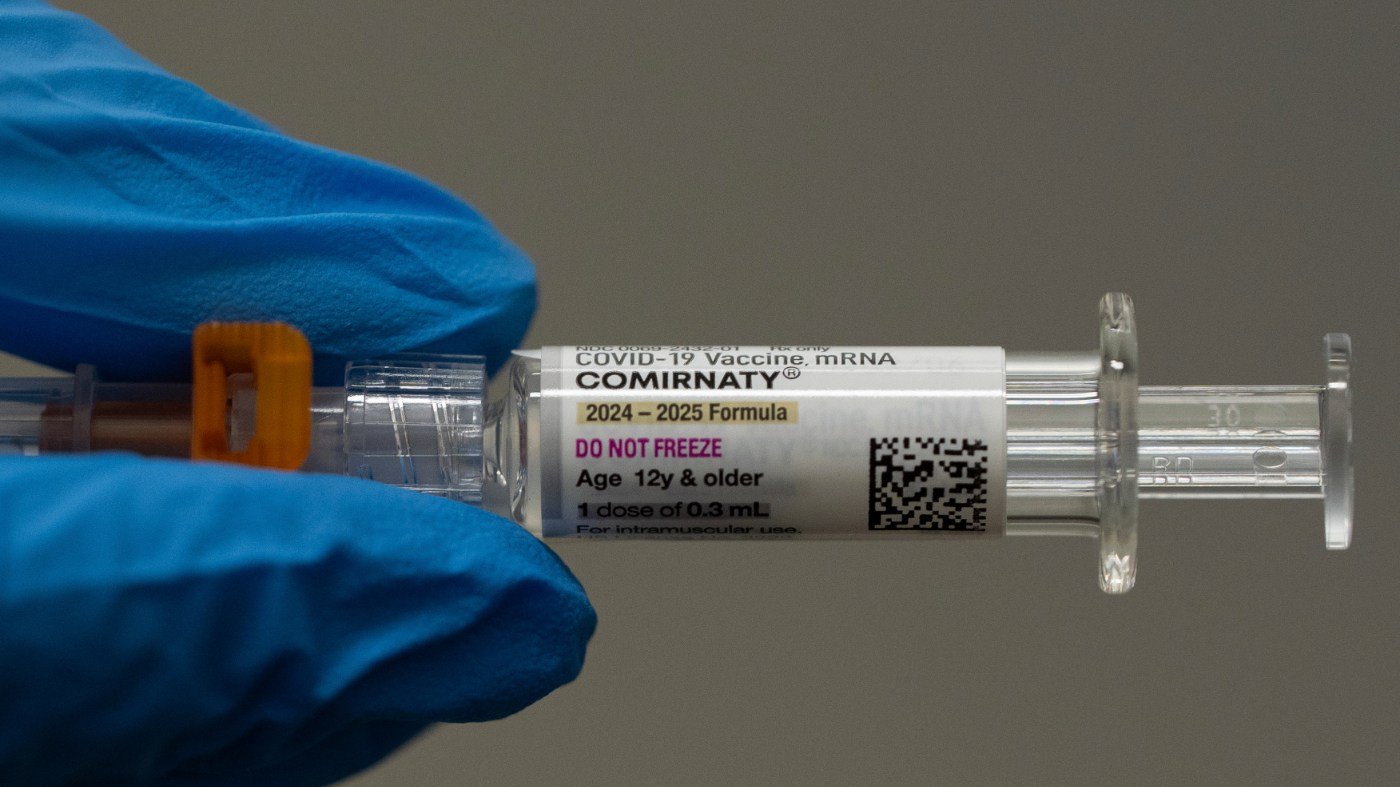
Three top Senate Democrats are demanding that the Department of Health and Human Services and the Centers for Disease Control and Prevention explain why COVID-19 vaccines were not made available through a federal program for low-income children until nearly a month after federal approval. In a letter to CDC Director Erica Schwartz and HHS Secretary Robert F. Kennedy Jr., Senate Minority Leader Chuck Schumer (D-N.Y.), Sen. Edward Markey (D-Mass.), and Sen. Bernie Sanders (I-Vt.) said the delay left millions of children without access to shots that were already available to those with commercial insurance.
The Vaccines for Children (VFC) program provides free immunizations to more than half of U.S. children, including those on Medicaid, the uninsured and underinsured, and Native American and Alaska Native children. The lawmakers noted that the Food and Drug Administration approved the vaccines on Aug. 27, and they were available in most retail pharmacies shortly thereafter. But the CDC did not open the ordering process for states until Sept. 23—nearly four weeks later. Providers still had to wait for shipments before administering doses.
“CDC’s delay has left millions of children who rely on the VFC program waiting weeks for vaccines already available to families with commercial insurance,” the senators wrote. “Concerningly, this delay follows a pattern of decisions by this Administration to undermine Americans’ faith in and access to vaccines.”
The lawmakers pointed out that in a typical year, states can place orders within two weeks of a vaccine becoming commercially available. They pressed HHS and CDC for an explanation of what remained undecided for four weeks after FDA approval, rejecting the agency’s vague assurances that it was “finalizing decisions” and that COVID-19 does not follow the same seasonal pattern as flu and other respiratory viruses. “Neither explanation accounts for the delay,” they wrote.
HHS spokesperson Emily Hilliard defended the agency’s actions, saying in a statement to The Hill that HHS and CDC have a responsibility to ensure responsible stewardship of taxpayer resources and that vaccines purchased through federally funded programs are appropriate for the populations they serve. Hilliard added that there are no deadlines for procuring COVID-19 vaccines because the virus is not predictable, noting that SARS-CoV-2 circulates year-round with activity varying by region.
The delay comes amid broader efforts by the administration to reshape federal vaccine policy. Throughout President Trump’s second term, Kennedy has sought to fundamentally alter the nation’s vaccine recommendations. In May 2025, he said the CDC would no longer recommend the COVID vaccine for healthy children or pregnant women. Last month, Trump signed an executive order directing the splitting of the measles, mumps, and rubella vaccine into separate shots without scientific justification. The senators’ letter reflects growing Democratic concern that the administration’s actions are eroding public confidence in vaccines and limiting access for vulnerable populations.
As the 2026 midterms approach, Democrats are sharpening their attacks on the administration’s health policies. With GOP donors anxious about Trump’s drag on the party, Senate Democrats see an opportunity to highlight what they call a pattern of undermining public health. The lawmakers are calling on Kennedy and Schwartz to confirm that distribution through the VFC program will proceed without further interruption.
Public health experts warn that any delay in vaccine access for low-income children could widen disparities in immunization rates. The VFC program is a critical safety net, and disruptions to it can have lasting consequences for community immunity. The senators’ letter underscores the stakes: millions of children depend on the program, and any political interference in vaccine distribution could put them at risk.
The administration has yet to respond directly to the senators’ demands for a detailed explanation. As Trump’s bold threats face reality checks on multiple fronts, the vaccine delay adds another flashpoint to an already contentious political landscape. Democrats are expected to keep pressing the issue, framing it as part of a broader assault on science and public health.