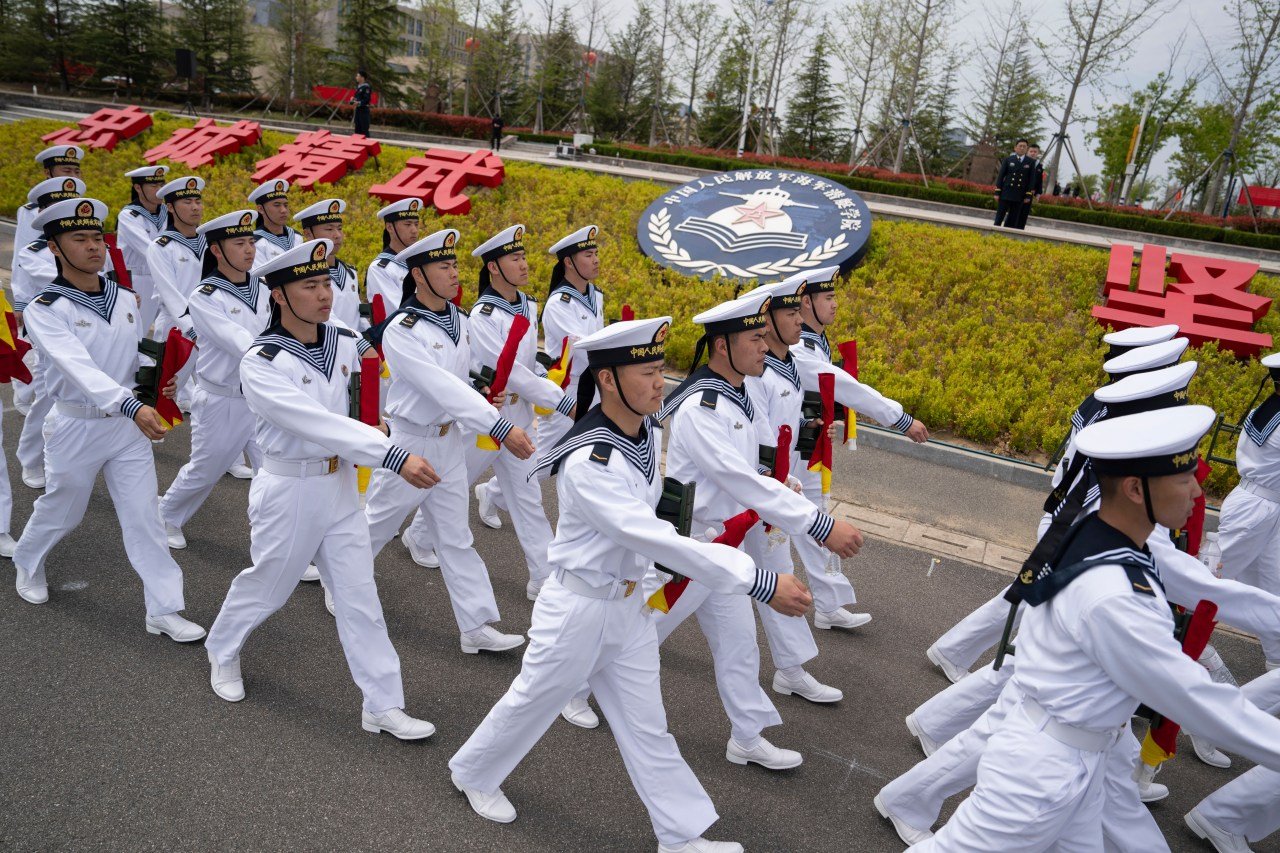
China's navy conducted a rare test launch of a long-range ballistic missile from a nuclear-powered submarine in the South Pacific on Monday, triggering protests and alarm from neighboring nations. The move marks Beijing's second such test in two years, following a 2024 launch that was the first of its kind since 1980, and underscores its growing military reach.
The missile, carrying a dummy warhead, was fired at 12:01 p.m. local time, according to state-run Xinhua News Agency. Beijing described the launch as part of routine annual training, in compliance with international law, and not directed at any country. But the timing—coinciding with Australia and Fiji signing a new mutual defense treaty aimed at countering Chinese influence—amplified regional unease.
New Zealand Foreign Minister Winston Peters said China informed Wellington just hours before the test, despite long-standing concerns. "It appears that despite our long-standing concerns about this type of activity, China carried out the test within hours of informing us," he told the Associated Press. The missile landed in the South Pacific Nuclear Free Zone, established by the 1986 Treaty of Rarotonga, which China ratified in 1987, pledging not to test nuclear weapons there.
Australia's Foreign Minister Penny Wong, speaking in Fiji, called the test "destabilizing to the region." Japan's Defense Ministry urged Beijing to "rethink" its missile testing to avoid flights over Japanese territory, citing a lack of transparency. Chief Cabinet Secretary Minoru Kihara said China's military activities, combined with its opacity, have become "a grave concern for Japan and the international society."
Beijing brushed off the criticism. A foreign ministry spokesperson said: "We hope that the relevant countries will avoid overinterpretation." But analysts argue the opacity itself fuels distrust. Drew Thompson, a senior fellow at Nanyang Technological University in Singapore, noted that China's military modernization has not been matched by openness, creating uncertainty about its intentions. He also called Beijing's criticism of Japan's rising defense spending hypocritical, given China's own military buildup—the largest by any state since World War II.
China maintains a "no first use" nuclear policy but is actively modernizing its arsenal. The Pentagon's latest report to Congress, released in late 2025, estimated China had around 600 nuclear warheads in 2024 and is on track to field over 1,000 by 2030. The Nuclear Threat Initiative reports China operates six ballistic-missile submarines and 59 nuclear-powered attack submarines.
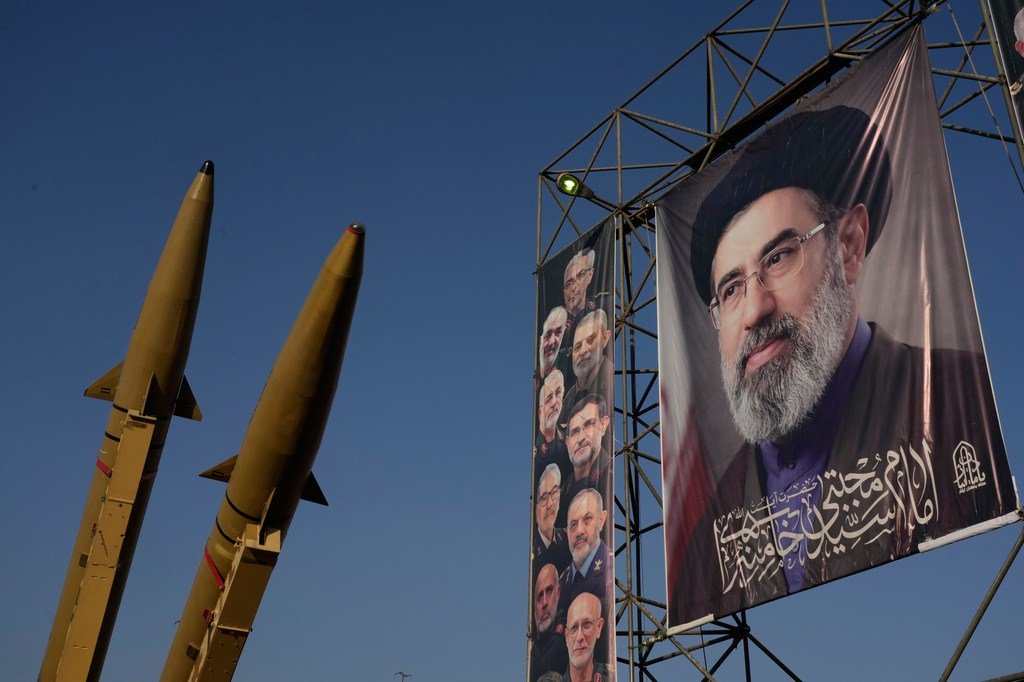
The test also echoes broader tensions, including the unchecked ballistic missile programs in deals like the US-Iran arrangement, and comes amid growing US-China tech rivalry. As Beijing asserts its superpower status, Pacific nations are left grappling with the implications of its expanding military footprint.