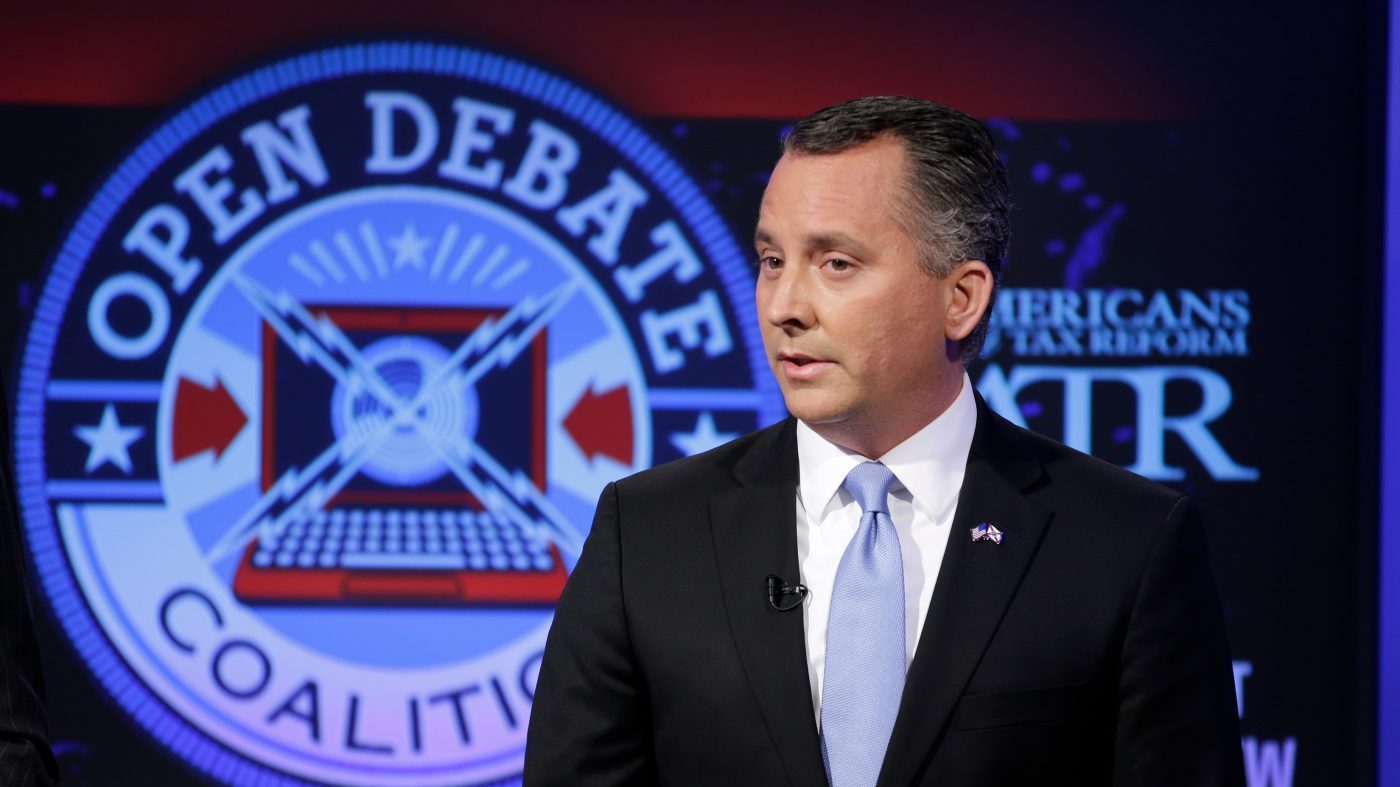
Florida's Democratic gubernatorial nominee, David Jolly, is distancing himself from traditional political labels as he campaigns on a platform of pragmatic solutions to the state's most pressing issues. In a Wednesday appearance on NewsNation's "Cuomo," Jolly declared, "I'm in a very post-partisan, post-ideological space. I reject the left-right spectrum. I don't care about the left-right spectrum. We have big problems that need big solutions."
Jolly, who served in the House as a Republican before becoming an independent in 2019 and later a Democrat, emphasized that his approach is rooted in amplifying core Democratic values. "The economy should work for everybody," he said. "Economic growth is good, but it's got to work for everybody. The private sector should lead, but government needs to fill in the gaps."
His campaign has coincided with a growing progressive pulse within the party, focusing on healthcare, housing, safety, and the environment—issues that Jolly argues resonate across party lines. During the interview, he firmly identified as a capitalist and rejected any ties to socialism, yet he acknowledged that democratic socialists are gaining traction by addressing the economic crisis affecting Americans.
Jolly specifically pointed to state Rep. Angie Nixon, a progressive Democrat who recently won her Senate primary, as an example of a candidate who is connecting with voters on economic anxieties. "Our politics are very different. We disagree on a whole lot," Jolly said of Nixon and democratic socialists. "But the reality is, I think in each one of these races, to your point, Democratic candidates were addressing the economic crisis that is real. That is real."
Jolly also took aim at Republicans, accusing them of ignoring the economic pain felt by many Americans. "They're following the Trump playbook of just telling people that what they're feeling is wrong. Republicans are out of touch. Democrats have an opportunity this year," he said. That critique comes as Republicans struggle to define a midterm message that resonates with voters.
The general election matchup is set: Jolly will face Trump-endorsed Rep. Byron Donalds in November. Donalds recently secured the GOP nomination, leaving his role in Trump's campaign open. Meanwhile, Nixon is challenging Sen. Ashley Moody for her Senate seat, a race that has already exposed divisions within the Democratic Party as Trump mocks her bid.
Jolly's post-partisan message may appeal to independents and moderate Republicans, but it also risks alienating progressives who want a more aggressive agenda. Still, he remains confident that his approach can win in a state known for its narrow margins. "We have big problems that need big solutions," he reiterated, signaling that his campaign will focus on practical outcomes rather than ideological purity.
As the November election approaches, Jolly's ability to bridge the gap between left and right will be tested. His success could offer a blueprint for Democrats in swing states, while his failure might reinforce the challenges of running as a centrist in an increasingly polarized political climate.