As the days shorten and a hint of autumn creeps into the air, the nation's two most famous almanacs have once again rolled out their long-range weather forecasts. The Old Farmer's Almanac and the Farmers' Almanac, both with centuries of history, are betting on a mix of solar science, lunar cycles, and historical patterns to predict what fall and winter will bring.
The Old Farmer's Almanac, which released its fall outlook last month, is calling for a "warmer than average" season across much of the country. However, the Pacific Northwest and northern New England should brace for a "cool, wet" autumn, while the Plains, Rockies, and parts of the central Gulf region are expected to see warm and dry conditions. The Midwest, Ohio Valley, and East Coast, by contrast, may experience a cooler and drier fall than usual. Notably, this forecast closely mirrors what the almanac predicted for last year.
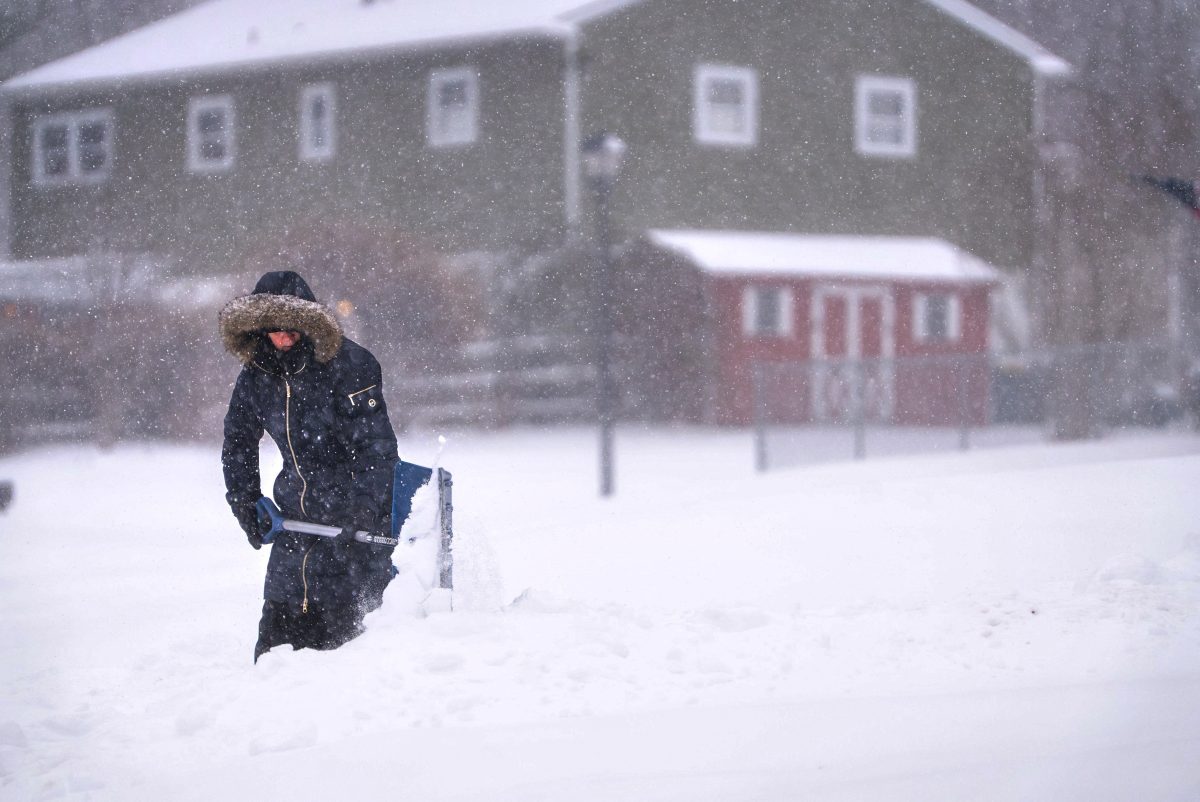
Meanwhile, the Farmers' Almanac has already unveiled its winter prediction, ominously titled "snow, sleet and surprises." The forecast anticipates precipitation across the entire United States, with heavy snow in the upper Plains and Midwest, wet conditions along the Gulf and southern East Coast, and coastal storms targeting New England. This winter outlook also bears a striking resemblance to the previous year's prediction.
But how much faith should the public place in these forecasts? Meteorologists and government forecasters are skeptical. Rich Segal, a recently retired meteorologist from Nexstar's KXAN, noted that belief in these almanacs is a matter of personal choice. "There are those who believe [them] and those who don't," he said. Both publications claim an 80% accuracy rate, but independent research suggests the Farmers' Almanac's forecasts are correct only about half the time.
The Old Farmer's Almanac, founded in 1792, says its formula blends solar science, climatology, and meteorology, comparing "solar patterns and historical weather conditions with current solar activity." The Farmers' Almanac, established in 1818, relies heavily on the moon's influence and comparisons of past and present weather patterns. However, the extreme lead time of these predictions is a major red flag for professionals. Segal called it "a crapshoot," noting that even short-range forecasts can fail within 24 hours.
The National Weather Service, for comparison, will not issue its official winter outlook until mid-October. Jon Gottschalck, chief of the Operational Prediction Branch at NOAA's Climate Prediction Center, explained that releasing such forecasts earlier would significantly reduce their reliability. He also stressed that these outlooks cannot predict specific events like major winter storms. "It's just not possible to do that," he said.
NOAA does offer seasonal temperature and precipitation outlooks for early fall, but these are probability-based. For instance, the upper Pacific Northwest is favored to see a warmer-than-average September through November, while the southern Midwest and Ohio Valley have equal chances of a warmer or cooler fall. These outlooks, available on NOAA's website, are grounded in climate models and real-time data, unlike the almanacs' secret formulas.
All three sources do share one key factor: the potential for a strong El Niño. National forecasters recently raised the odds of a "super" El Niño—the strongest since 1950—to over 90%, with peak impacts expected between October and December. A typical El Niño brings warmer, drier conditions to the northern U.S. and Ohio Valley, while the southern tier of the country often sees a wetter winter with more rain and snow. However, the exact dividing line varies each year, and how this El Niño will ultimately play out remains uncertain.
Sandi Duncan, editor of the Farmers' Almanac, defended the publication's track record: "While no forecast can claim perfect accuracy, our predictions have proven useful for generations of planners and outdoor enthusiasts. We continuously refine our method but acknowledge that Mother Nature always has the final say."
For now, those planning ahead may want to check how extreme weather is affecting communities and keep an eye on NOAA's updates. The agency will release its official winter outlook—covering December through February—in mid-October, offering a more scientifically grounded view. Until then, the almanacs' predictions remain an intriguing but unverified glimpse into the months ahead.