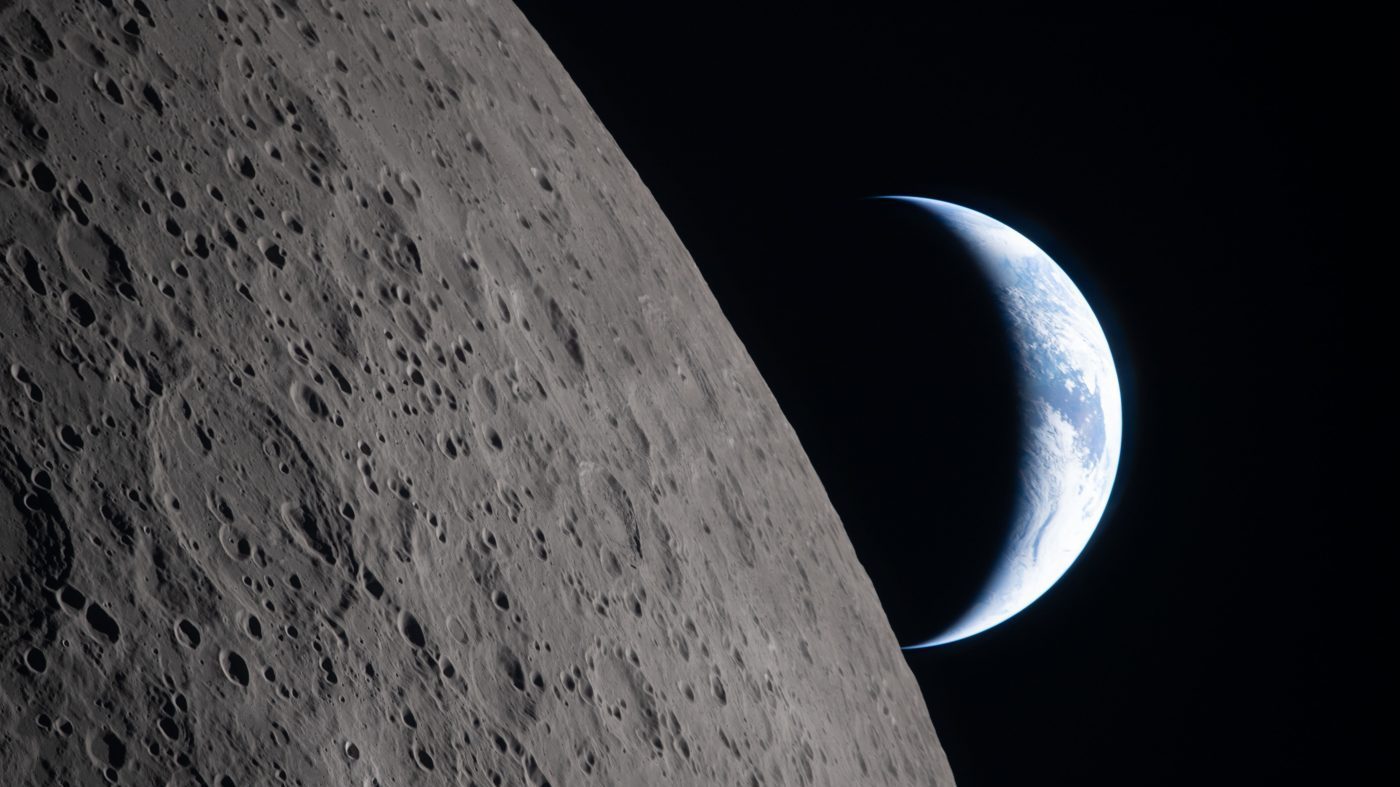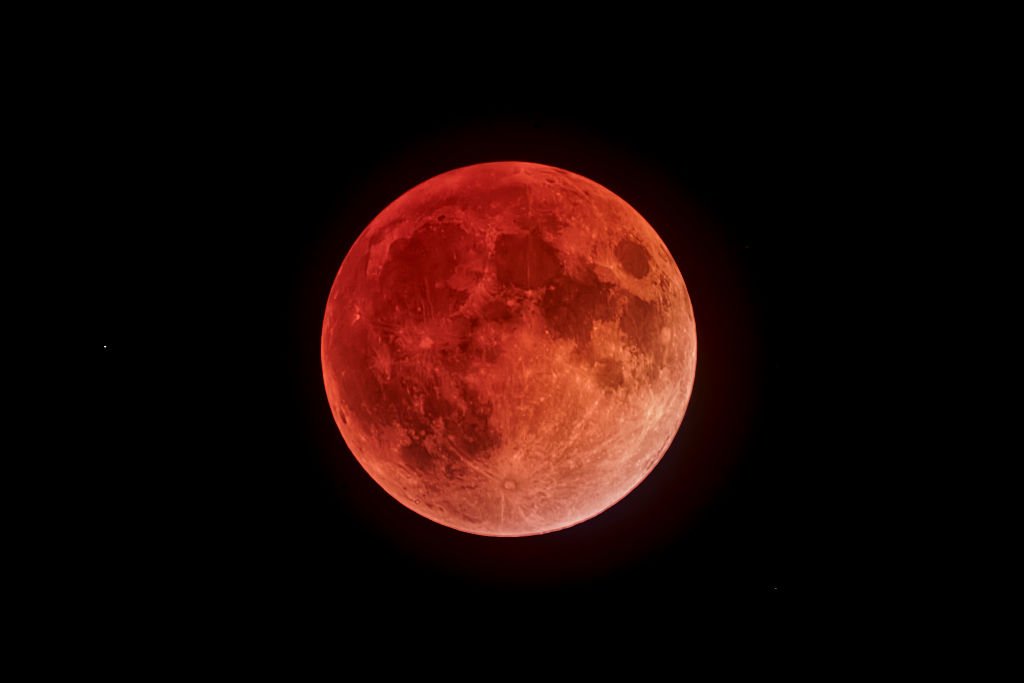
Skywatchers across the United States are in for a celestial treat at the end of August, as a total lunar eclipse will paint the full moon a deep, reddish hue. Unlike the recent solar eclipse that captivated Europe, this event is completely safe to observe with the naked eye, requiring no protective eyewear.
The eclipse occurs when the moon passes through Earth's shadow, and this month's timing coincides with a full moon, offering a prime view of the shadow's progression across the lunar surface. The entire event will be visible from all U.S. time zones, weather permitting.

When to Watch
The eclipse will reach its maximum phase—when the moon is fully engulfed in Earth's umbral shadow—at a specific time that varies by time zone. For those on the East Coast, the peak occurs in the early evening, while West Coast viewers will see it slightly later. Check local astronomical forecasts for exact times in your area.
How to See It
No telescopes or binoculars are required, though they can enhance the view. Find a location with minimal light pollution and a clear horizon. The moon will appear red due to Rayleigh scattering, the same effect that makes sunsets red, as sunlight filters through Earth's atmosphere and bends around the planet.
This event comes as several other stories dominate the political and scientific landscape. For instance, NASA recently pinpointed the crater left by a SpaceX rocket's lunar impact, highlighting the growing intersection of private spaceflight and lunar exploration. Meanwhile, the Senate's August recess has put a crypto bill in jeopardy, and gas prices have hit a record high for mid-August amid tensions in the Hormuz Strait.
Political and Practical Context
While the eclipse is a purely natural phenomenon, it offers a moment of collective pause amid a busy news cycle. Lawmakers are scrambling to wrap up their agenda before the recess, and the public is dealing with everything from a massive salmonella recall to wildfires raging in British Columbia. For many, the blood moon will be a welcome distraction.
For those planning to watch, remember: the key is to be outside during the maximum phase, which lasts only a few minutes. Set an alarm, find a comfortable spot, and look up. This is one event that doesn't require a political filter—just clear skies and a sense of wonder.