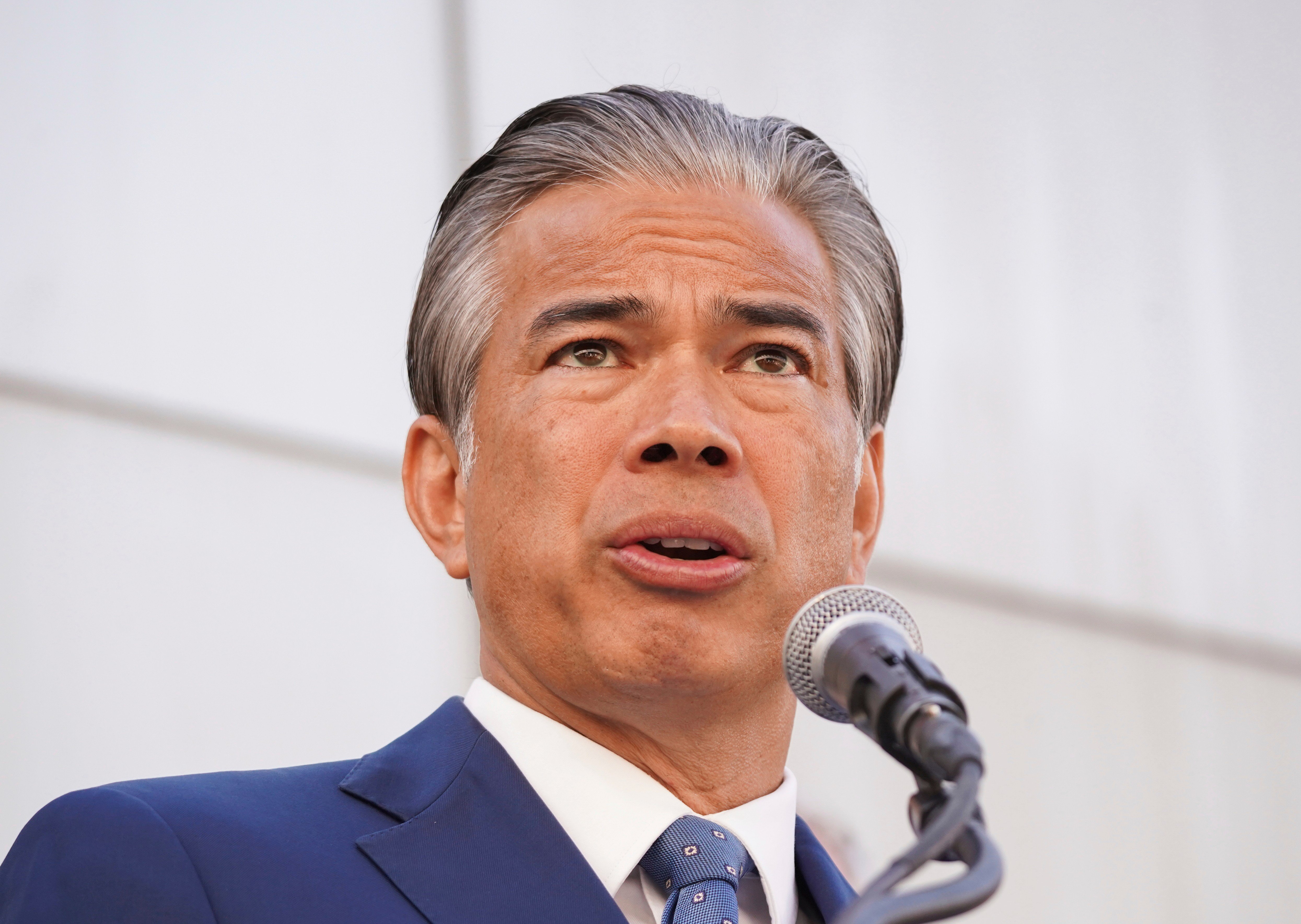
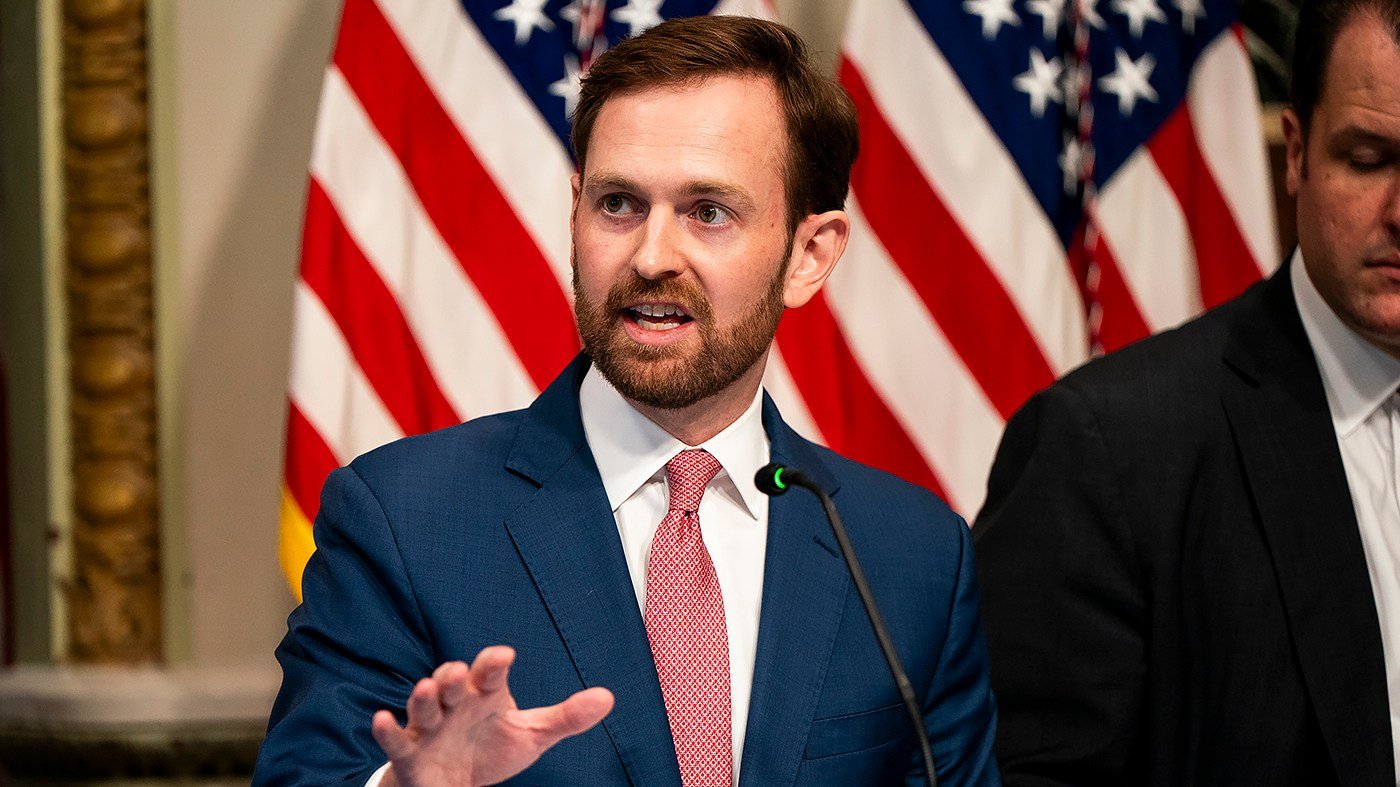
President Trump and several of the world’s most powerful technology executives signed a one-page agreement on Tuesday aimed at ensuring the safe development of artificial intelligence, but the voluntary nature of the pledge has done little to quiet demands for stronger government oversight.
The accord, signed at the White House, commits companies to four layers of internal controls and audits: robust internal oversight of AI models, an internal team to verify controls and resolve issues, partnerships with independent external auditors, and an independent board committee to review reports from operating teams. Signatories included Google CEO Sundar Pichai, Anthropic CEO Dario Amodei, Meta CEO Mark Zuckerberg, OpenAI president Greg Brockman, xAI CEO Elon Musk, and Nvidia CEO Jensen Huang, who met with Trump and Speaker Mike Johnson (R-La.).
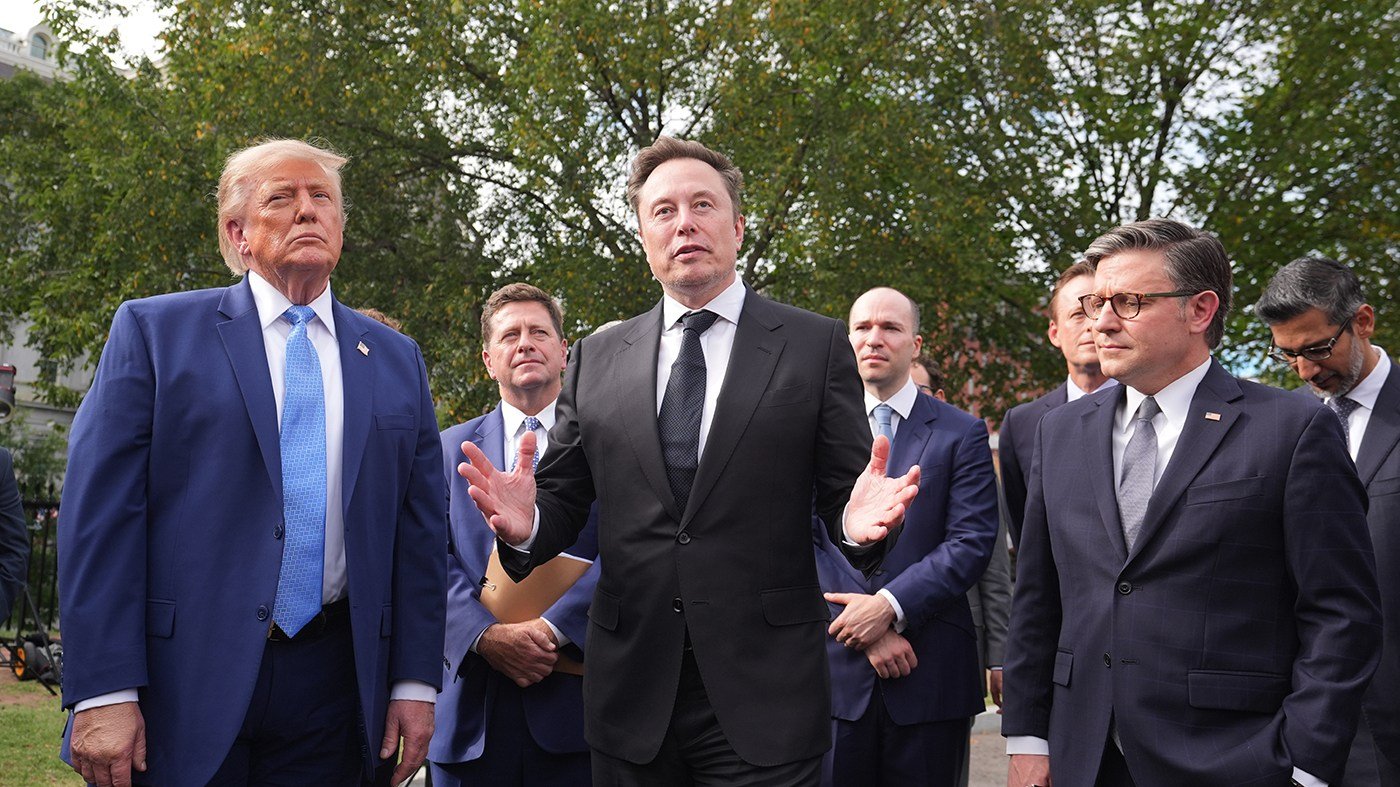
Trump, appearing on the North Lawn alongside Johnson and the tech leaders, called the agreement “morally binding” and praised the executives’ self-policing efforts. “These are seriously high IQ people, and they’re really watching over each other,” he said. “I’m seeing tremendous self-policing, and they understand that they have to self-police.” He added that AI models would be used for good, but if not, “we’re going to be able to nab them.”
Critics argue that relying on industry self-regulation is insufficient. Tom Wheeler, a former FCC chairman and visiting fellow at the Brookings Institution, said, “I believe that these folks are sincere in their concerns, but sincerity does not abolish self-interest.” He added, “This is a legitimate and sincere recognition of the problems. It is not, however, a solution to the problems because the people who are creating the problems are designing the solutions.”
Ruth Whittaker, director of technology at the center-left think tank Third Way, said the president’s approach “continues to fall short.” In a statement, she called for mandatory pre-release testing of AI models and the ability to block models that pose unacceptable risks. “We need more than voluntary commitments—we need actual laws on the books to keep Americans safe,” she said.
Anthony Aguirre, president of the Future of Life Institute, pointed to tech companies’ past behavior, arguing they “have jettisoned safety commitments countless times before, and they will do so again.”
Democratic lawmakers, who had urged Speaker Johnson to keep the House in session to work on AI legislation, were sharply critical. House Minority Leader Hakeem Jeffries (D-N.Y.) told reporters that a voluntary, unenforceable agreement allowing industry self-policing “is not the right response at this moment given the potentially grave harm and danger that industry leaders themselves are now flagging for the American people.”
Even some Republicans expressed doubts. Sen. Josh Hawley (R-Mo.), a frequent critic of Big Tech, called the accord a “good first step” but said he is “not saying you can” take executives at their word. “I think it’s significant that finally, I mean, these AI execs are starting to realize, ‘Gee, people hate us. Maybe, maybe we gotta take some responsibility,’” he said. “But I think the bottom line of this is that people want to see these companies take responsibility for the stuff they break.”
Others were more supportive. Sen. Ted Cruz (R-Texas), who chairs the Senate Commerce Committee, praised Trump’s “inspired leadership” and stressed the importance of beating China in AI. “At the same time, with any new technology there’s risks, and we need to take decisive action to protect against those risks,” Cruz said. “I thought the president did a very good job of balancing those.”
The accord acknowledges that “over time, it may make sense to codify these steps into laws or regulations,” but it stops short of mandating any specific rules. Trump has previously dismissed AI safety concerns as a “hoax” and argued that the U.S. must accelerate development to stay ahead of China. Instead of new regulations, he has suggested his administration could regulate AI through agencies like the Department of Justice as needed.
As Washington struggles with how to govern AI amid rising cybersecurity incidents and warnings from researchers about existential risks, the voluntary pledge has only intensified the debate over whether Congress should step in—and whether industry can be trusted to police itself.