A recent encounter at a sidewalk café—a man strolling by in a shirt declaring “Every billionaire is a policy failure”—prompted a deeper reflection on the growing backlash against the ultra-wealthy. This sentiment is not isolated; it echoes in policy proposals from Sacramento to Albany.
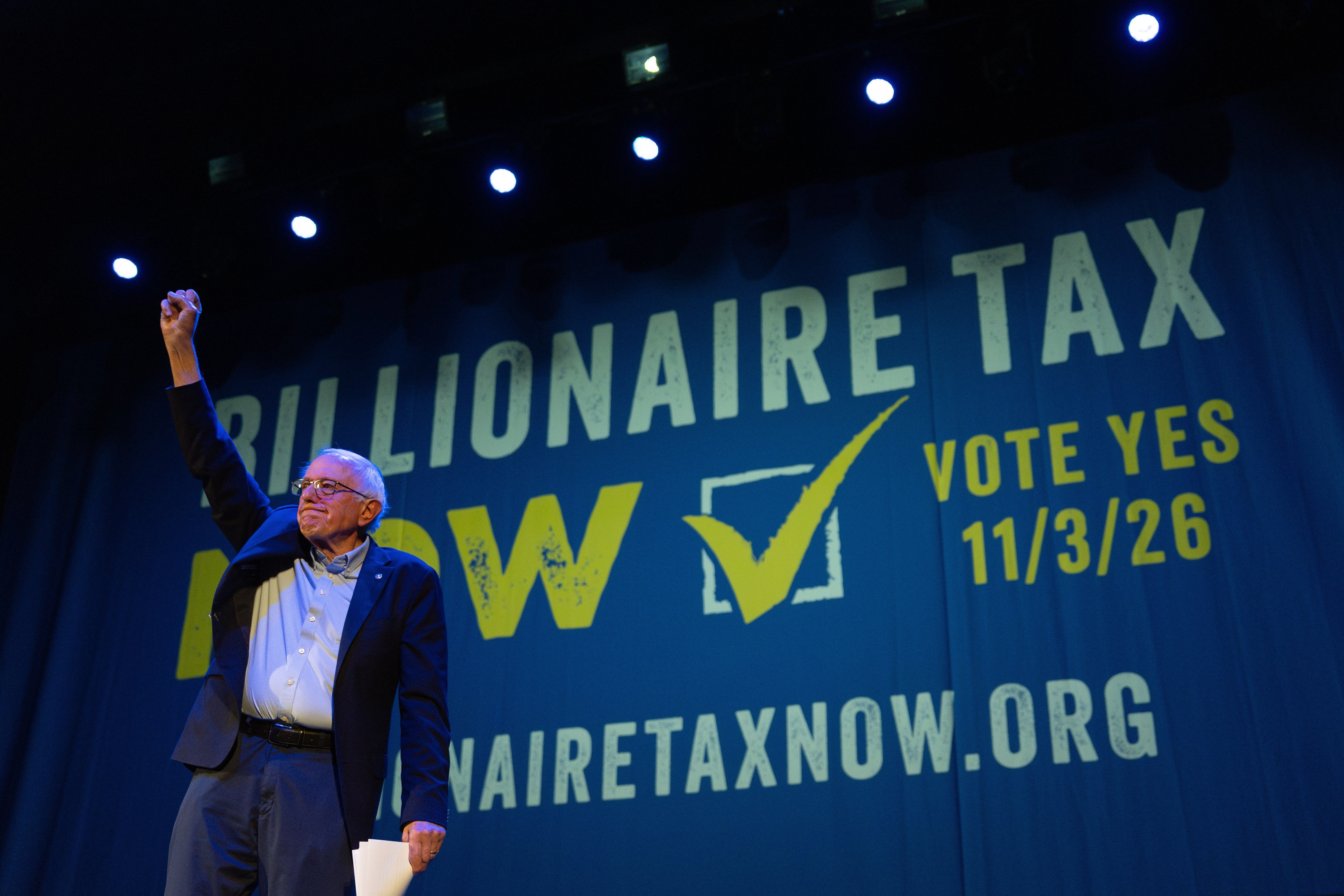
At nearly the same moment, the California Democratic Party endorsed a November ballot measure to impose a wealth tax of up to 5% on the state's billionaires. This move is part of a broader trend: New York City's mayor has called for higher taxes on the rich, and similar voices are rising in Canada, the UK, and Australia. The wealthy have never been universally popular, but today's scrutiny feels more pointed.
Historically, wealth inequality has fueled revolutions and uprisings—from the Gracchi brothers in ancient Rome to the French Revolution and the Arab Spring. The phrase “every billionaire is a policy failure” reportedly originated in 2019 from an adviser to Rep. Alexandria Ocasio-Cortez. It raises a fundamental question: should society tolerate such extreme accumulation of wealth, or is it a sign that our economic policies are broken?
As a staunch capitalist and business owner, I've long opposed punitive taxation on the wealthy. I've worked hard and taken risks to build my own modest nest egg, and I resent the idea of government confiscating it. Yet, the t-shirt slogan lingered. Maybe billionaires do hold too much, and maybe their money could be better spent elsewhere. But is handing it to politicians the answer?
Consider where billionaire wealth actually resides. It's not in mattresses; it's invested in stocks, bonds, real estate, art, and ventures. These investments are not static—they fund startups, support financial institutions, and finance government through securities. Every purchase, from yachts to vacation homes, creates a ripple effect: sellers, brokers, contractors, and service workers all benefit. Even Kim Kardashian and DJ Khaled face limits on consumption; the rest of their wealth is actively working in the economy.
When billionaires spend, they stimulate economic activity. Their money flows through banks, which lend it to small businesses and individuals. Their stock holdings prop up company valuations, enabling growth. Their venture capital investments create new industries. In essence, billionaire wealth is not hoarded; it's a lubricant for the broader economy.
But what about the alternative? California's wealth tax, for instance, aims to fund social programs. Yet, given the state's history of mismanagement—failed homeless initiatives, cost-overrun rail projects, and water infrastructure woes—one must question whether politicians can be trusted with more money. Similar proposals in Washington, Hawaii, Rhode Island, and New York suggest a growing appetite for such measures, but the outcomes remain uncertain.
The debate ultimately hinges on a choice: do we view billionaires as policy failures, or as essential engines of growth? The answer is not clear-cut. While wealth inequality is a legitimate concern, the solution may not lie in confiscatory taxes that could stifle investment and innovation. Perhaps the real policy failure is our inability to craft a system that balances wealth creation with broad-based opportunity.
As the November ballot approaches, Californians—and the nation—will weigh these trade-offs. The outcome could set a precedent for how we address wealth inequality in the 21st century.