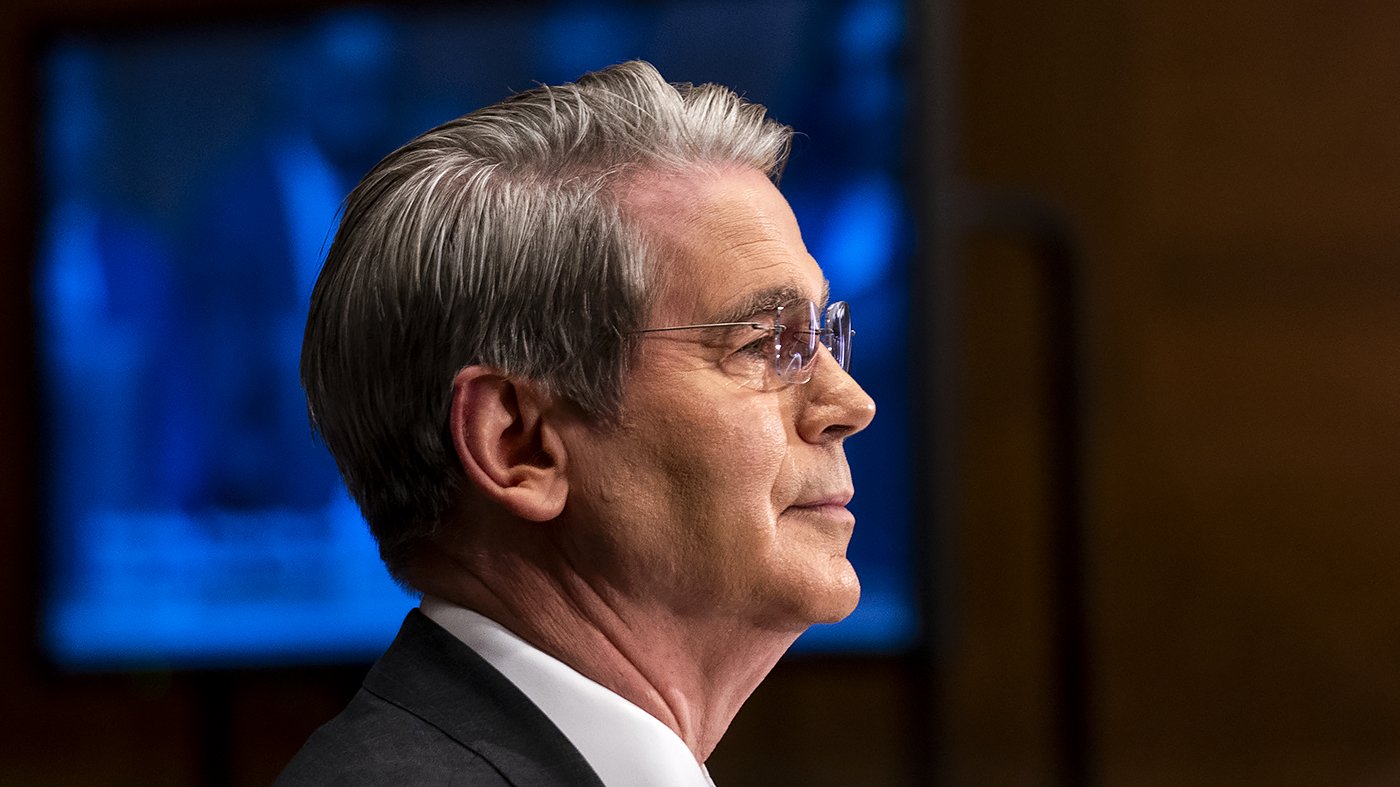
Treasury Secretary Scott Bessent publicly endorsed a cautious approach from the Federal Reserve on Tuesday, stating he has no issue with the central bank postponing interest rate cuts at its policy meeting later this month. His comments come amid significant economic crosscurrents and escalating military tensions with Iran.
Speaking at the Semafor World Economy Conference in Washington, D.C., Bessent emphasized a "wait and see" posture. "I think now that we have to wait and see; we have to wait and see what happens to the economy," he stated. He noted the economy exhibited considerable strength through January and February but acknowledged present uncertainties.

War and Energy Prices Factor into Policy Calculus
The Treasury Secretary directly linked the Fed's deliberation to the conflict in the Middle East, assuring attendees that recent spikes in energy and gas prices would likely be temporary. He expressed confidence the situation would normalize, saying, "I think at a point this war will end and things will normalize – and I think the Fed is doing the right thing by sitting and watching." He also highlighted a policy divergence, noting many European and Asian nations are subsidizing consumer demand, a step the U.S. has avoided.
Despite backing the Fed's short-term patience, Bessent clearly indicated he expects rate reductions in the near future. He suggested the central bank would need to compensate for holding rates higher this quarter. "The impetus here is they will need to cut rates...[but] if they want to wait for some clarity, I understand that," he told reporters in a follow-up roundtable. He pointed to the resilience of the U.S. dollar despite the conflict as a positive signal.
Administration Moves on Iran and Fed Leadership
The geopolitical backdrop remains volatile. U.S. negotiations with Iran, led last week by Vice President Vance, collapsed, prompting his early return from Pakistan. Talks are expected to resume later this week. Concurrently, the Treasury Department warned it is prepared to deploy secondary sanctions against foreign financial institutions that continue to support Iran, as the U.S. military maintains a blockade in the Strait of Hormuz. This economic pressure coincides with warnings from the Energy Secretary about near-term fuel price peaks linked to the blockade.
Amid these challenges, the Trump administration is advancing a major change in monetary policy leadership. Bessent confirmed the administration is working to install Kevin Warsh as the next Federal Reserve Chair when Jerome Powell's term concludes in May. Both President Trump and Bessent have recommended Warsh, who is expected to pursue a lower interest rate path. The president has repeatedly criticized Powell for not cutting rates more aggressively, a theme that continues as his administration reassesses other international commitments.
Bessent's remarks underscore the delicate balance the administration is attempting to strike: projecting confidence in economic fundamentals while navigating a foreign policy crisis that threatens to disrupt them. His stance also highlights the coordinated pressure on the Fed, which is being urged to hold steady now but prepare to act under new leadership. This financial policy shift occurs as the administration pursues other contentious domestic measures, including a drafted order requiring banks to collect citizenship data.
The coming weeks will test this strategy, with the Fed's decision, renewed Iran talks, and the planned leadership transition at the central bank all poised to significantly influence the economic and political landscape heading into the summer.