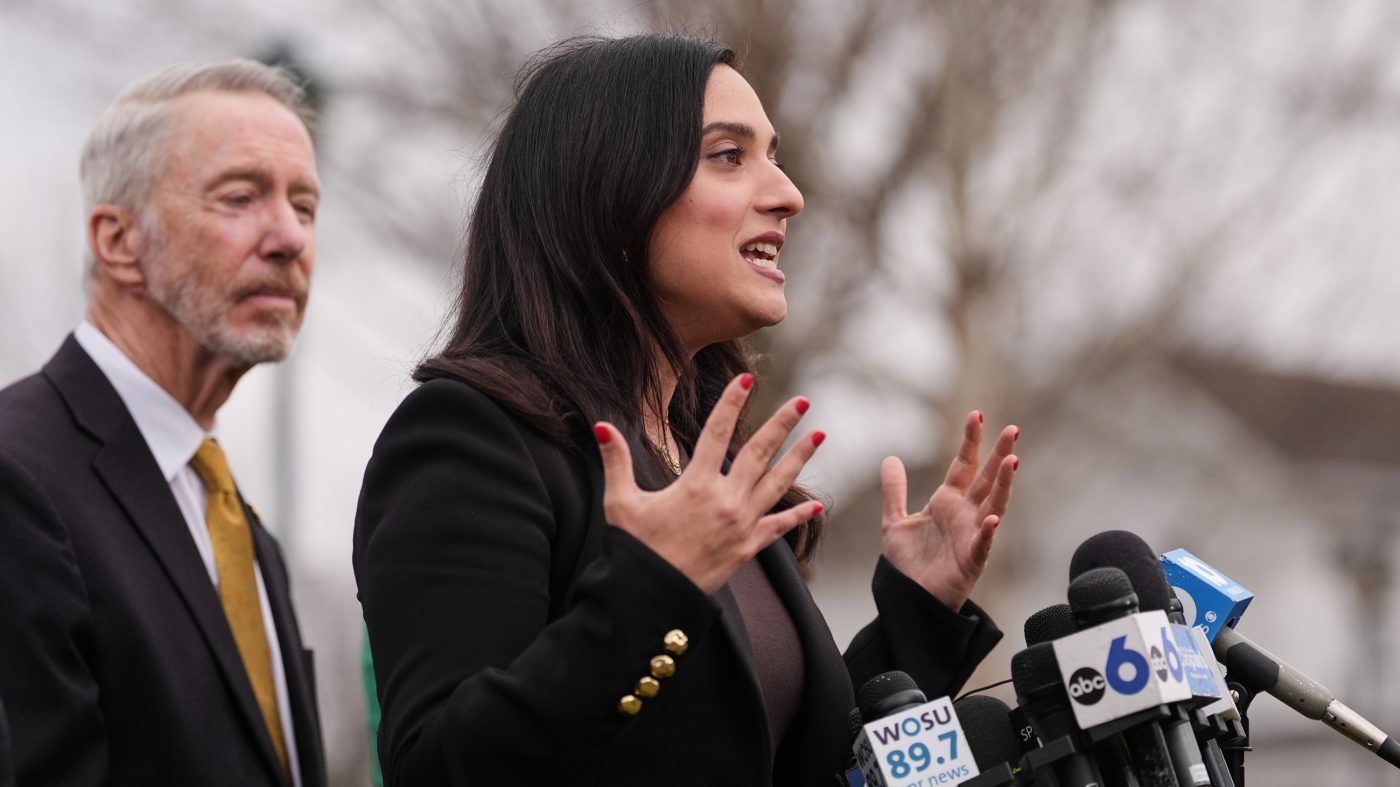
Democratic Congresswoman Yassamin Ansari of Arizona has issued a stark warning about the ongoing U.S. military engagement with Iran, calling on the Trump administration to urgently identify and pursue a diplomatic off-ramp. In an interview with ABC's "This Week," the Iranian-American lawmaker emphasized that de-escalation is now critical. "We're already in this war," Ansari stated. "Ultimately, I do think we need an off-ramp, quickly, to the war. We need to de-escalate."
Ansari framed her position as driven by concern for the Iranian populace, which has endured the current regime for decades. "I just want to see the best for Iranian people who have had to live under this regime for the last 47 years," she told interviewer Jonathan Karl.
Deep Divisions Within the Diaspora
The conflict has exposed and exacerbated significant rifts within the Iranian-American community, according to Ansari. She described the situation as causing "a lot of internal strife." The congresswoman outlined three distinct camps that have emerged among diaspora Iranians regarding the U.S. approach.
One faction, she explained, believes external military force is the only viable method to weaken Tehran's theocratic government. "The people don't have the weapons, the regime has the weapons, and they will happily massacre as many people as they can to stay in power," Ansari said, characterizing this viewpoint.
A second group maintains faith in President Trump's strategy. "They really actually do believe that Donald Trump has a good plan here and has positive intentions, and that's real. I don't agree with that," Ansari noted, distancing herself from this perspective. A third contingent is firmly anti-war, convinced that military action will not liberate the Iranian people. These individuals, Ansari suggested, are "trying to now steer this in the right direction."
Mounting Stakes and Regional Escalation
The U.S.-Israeli campaign against Iran, now in its second month, faces growing domestic skepticism. A recent Fox News poll found 58% of registered voters oppose the conflict. Despite this, the administration is reportedly considering a major escalation, weighing a ground operation aimed at reopening the strategically vital Strait of Hormuz and forcing a rapid conclusion to hostilities.
Such an invasion would likely trigger intense combat with Iran's substantial conventional military and could open dangerous new fronts. Regional tensions spiked this weekend as Yemen's Houthi rebels, who are aligned with Tehran, fired missiles into Israel in their first direct entry into the conflict. The rebel group now poses a direct threat to global energy supplies, with the potential to block the Bab el-Mandeb Strait—a key Red Sea chokepoint—which would severely exacerbate the ongoing world energy crisis.
President Trump's approach to the conflict has involved stark ultimatums, including a publicly issued deadline for Iranian compliance paired with threats to destroy civilian infrastructure. He has also openly dismissed concerns that such strikes could constitute war crimes. In a related economic maneuver, the administration has floated the idea of imposing U.S. tolls on shipping through the Strait of Hormuz, mirroring a tactic long used by Iran.
The White House did not immediately respond to a request for comment on Ansari's statements or the potential for a ground offensive. The call for de-escalation comes as former National Security Advisor John Bolton has publicly criticized the president's shifting deadlines as a demonstration of weakness, highlighting internal Republican divisions on foreign policy strategy.