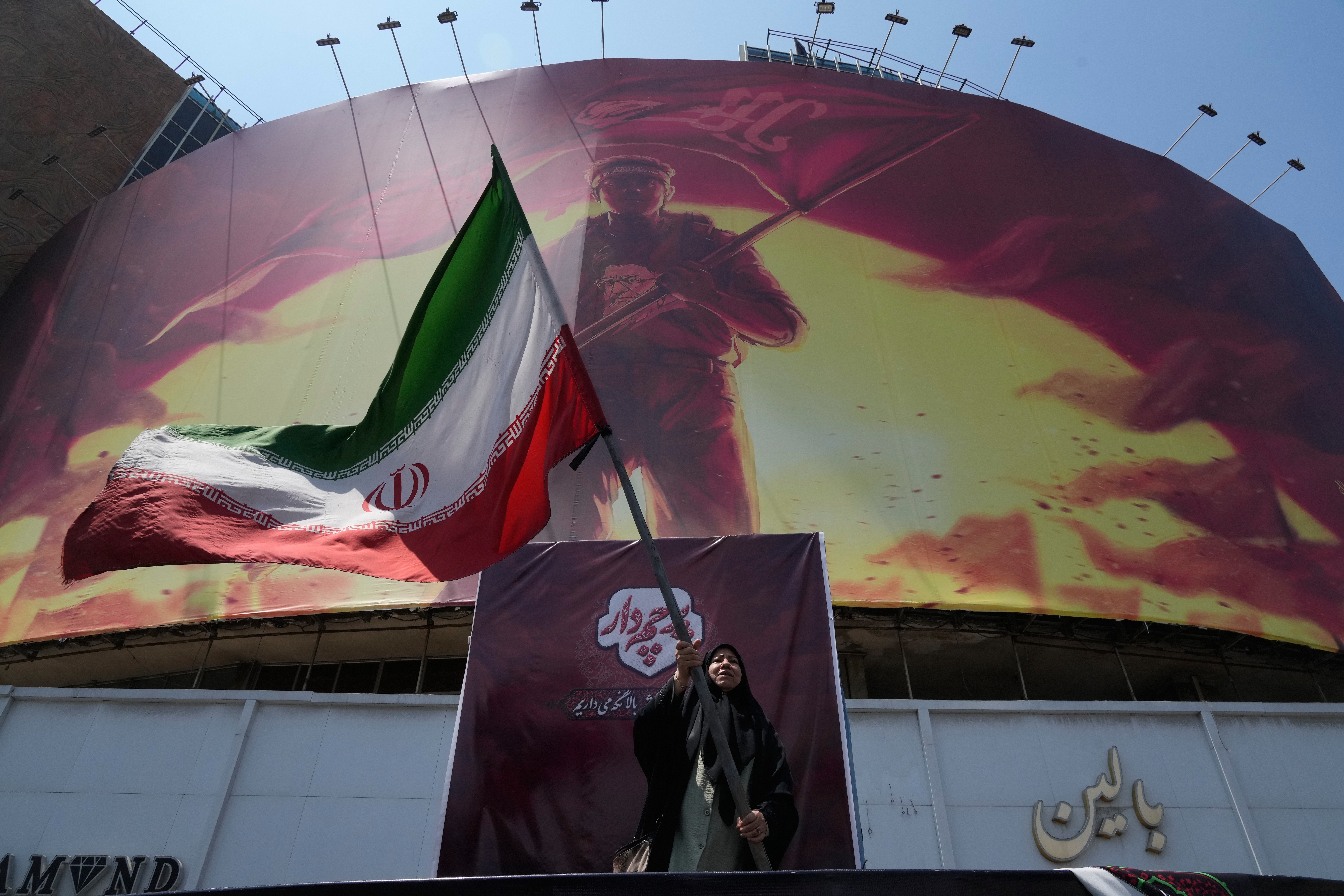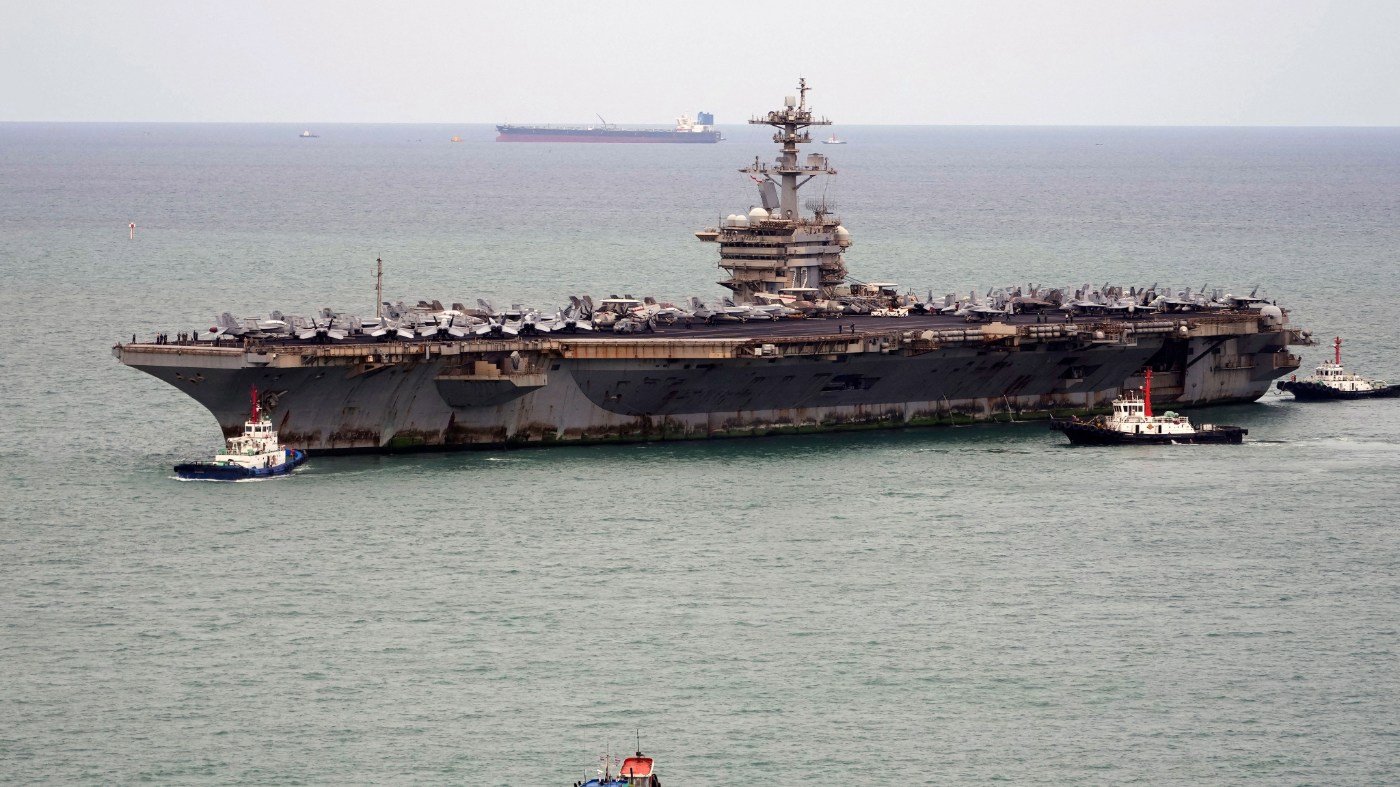
The United States launched a devastating initial strike against Iran, crippling its nuclear program, decapitating its military leadership, and degrading its ballistic missile capabilities. Operation Epic Fury was a tactical masterpiece—precise, intelligence-driven, and ruthlessly effective. By any measure, the first phase was a success.
But then Washington blinked. Instead of pressing the advantage to force a capitulation, the administration called a halt. The result: a battered but defiant Iranian regime now sits at the negotiating table as an equal, controlling the world’s most vital energy choke point, the Strait of Hormuz. As Napoleon warned, if you are going to take Vienna, you must take it—and the US has failed to do so.
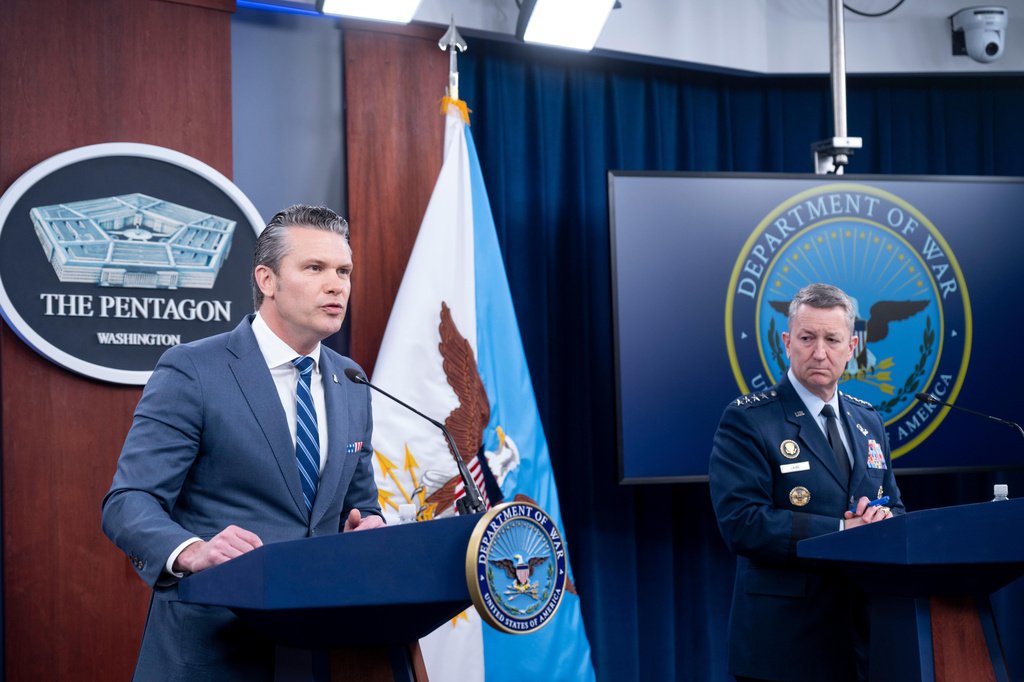
The strategic objective of the campaign was never clear. It shifted from destroying nuclear capability to demanding unconditional surrender to vague talk of regime change. Without a fixed destination, any path seems acceptable—and none leads to victory. This confusion has been compounded by a defense secretary who, unlike his predecessors, has failed to provide the president with coherent options that link military action to political outcomes.
Iran, meanwhile, has used the pause to rearm, consolidate internal control, and tighten its grip on the Strait of Hormuz. It now imposes tolls on shipping and has made its control of the waterway a condition for any deal. For Tehran, time is an asset. For Washington, it is a liability: domestic support is eroding, Congress is moving to restrict war powers, and Gulf allies are growing weary as Iranian drones strike their infrastructure. As the conflict grinds past 100 days, political pressure is mounting.
The administration’s belief that Iran is a reliable negotiating partner is a dangerous illusion. Over four decades, the regime has signed agreements, taken payments, and then continued its nuclear and missile work unabated. There is no evidence this time will be different.
Secretary of State Marco Rubio has now declared Epic Fury over. The path forward appears to be a declaration of victory, a face-saving agreement, and a withdrawal of forces. But as the IAEA reports no major shift in Iran’s nuclear program, the strategic failure is evident. The US had the chance to reshape the Middle East. Instead, it has given Tehran a vote in who controls the world’s most strategic waterway—and the enemy remains undeterred.