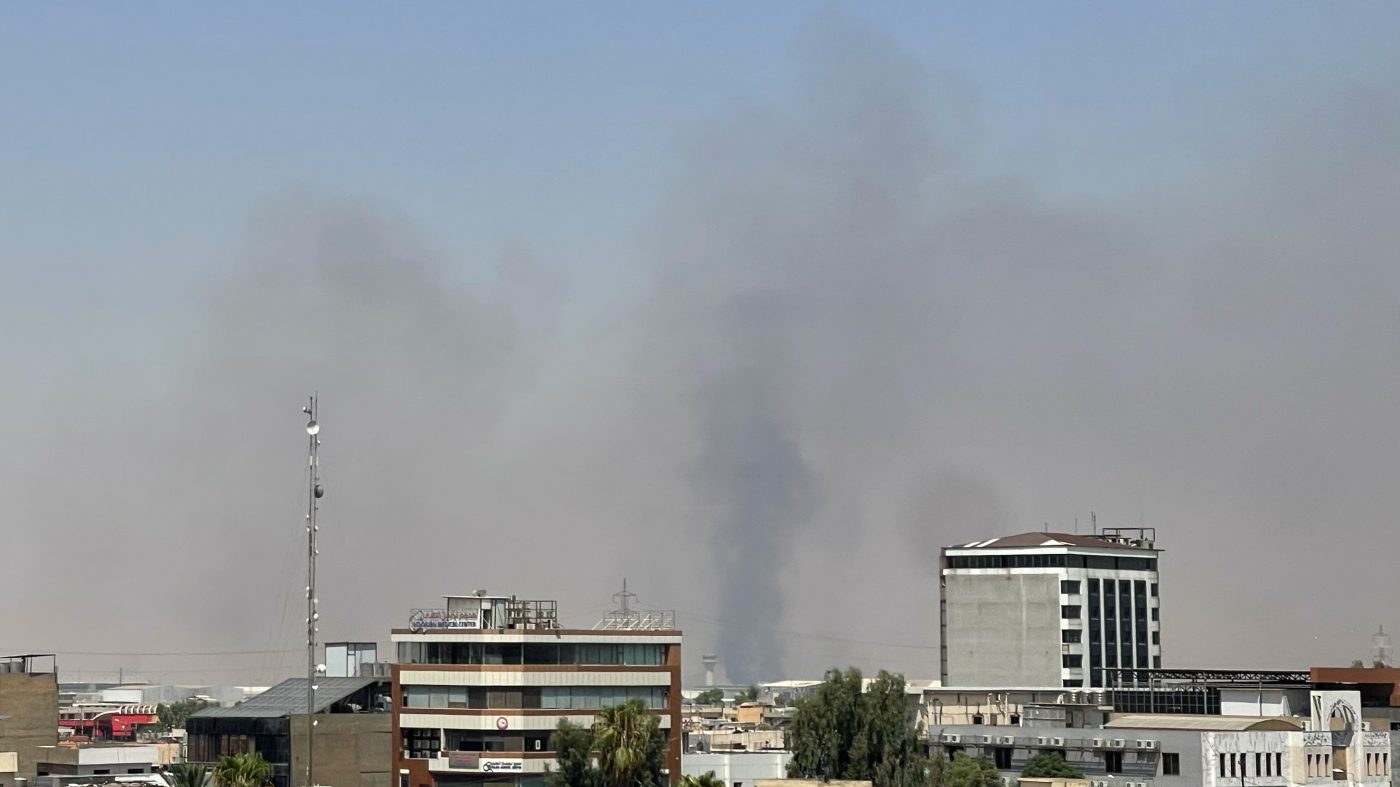
Explosive-laden drones struck near a military base in northern Iraq hosting American forces on Friday, just hours after the Pentagon concluded its 13th straight night of strikes against Iranian military targets. Kurdish security officials reported that coalition forces shot down five drones over Erbil, where U.S. troops are stationed at the Erbil International Airport. An Associated Press journalist on the ground heard at least seven explosions and observed four plumes of black smoke near the airport, though officials stated the incident caused no casualties or damage.
The attacks came amid a sustained U.S. campaign against Iran, which the Pentagon says is aimed at protecting commercial shipping in the Strait of Hormuz. A Pentagon official confirmed Thursday that this marked the 13th consecutive night of strikes, designed to hold Iran accountable and diminish threats from the Islamic Revolutionary Guard Corps. The U.S. maintains at least 2,500 troops in Iraq, and the strikes have intensified as tensions escalate across the region.
Regional Fallout and Bahrain Intercepts
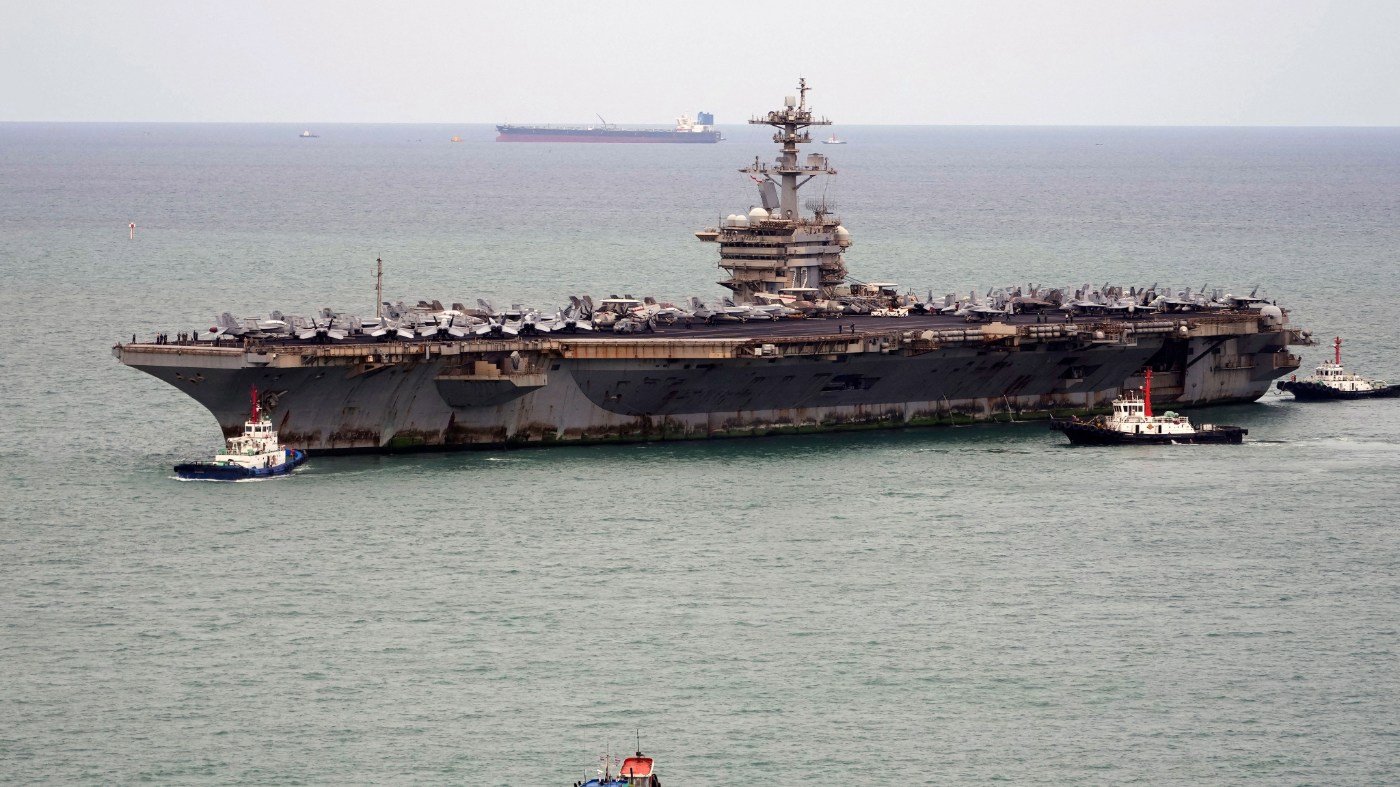
In a related development, warning sirens sounded in Bahrain, home to the U.S. Navy's Fifth Fleet. Bahrain's Interior Ministry issued alerts on social platform X, and the country's military confirmed it intercepted several Iranian attacks. “The air defenses of the Bahrain Defense Force intercepted and destroyed a number of Iranian aerial aggressions,” the military stated, underscoring the widening scope of the conflict.
Meanwhile, Yemen's Iran-backed Houthi rebels claimed responsibility for strikes against two Saudi oil tankers in the Red Sea, further escalating the crisis. The Houthi attacks have disrupted key shipping routes, prompting the U.S. military to take action. President Trump warned on Thursday that the Houthis would face “major military punishment” if attacks on commercial vessels persist. He also threatened to use frozen Iranian assets held by the U.S. to compensate for damages to ships targeted during the conflict.
“Any and all damages done to Ships, Cargo, or anything related thereto, will be paid for by Iranian Money that the United States has in its possession, and controls,” Trump wrote on Truth Social. This threat aligns with broader GOP pressure on the administration to escalate strikes against Iran, as oil prices surge past $100 per barrel. For more on the political dynamics, see how GOP hawks are pushing Trump to intensify the campaign.
Strategic Implications and Oil Market Turmoil
The ongoing strikes and Houthi attacks have sent shockwaves through global energy markets, with oil prices breaching the $100 mark. The Red Sea crisis, fueled by Houthi strikes on Saudi tankers, has disrupted supply chains and heightened fears of a broader regional war. The U.S. military's 13-night campaign reflects a strategic shift, as the Pentagon aims to degrade Iranian capabilities without triggering a full-scale conflict. However, the drone attack on Erbil underscores the persistent threat to U.S. forces in Iraq.
Analysts warn that the situation could spiral further, especially if Iran retaliates directly. The U.S. has signaled readiness for a major escalation, with Trump nearing a decision on expanding military strikes. For context on the broader defense policy landscape, see the House GOP amendment tying Pentagon funding to passing an audit, which reflects ongoing debates over military spending and accountability.
The Associated Press contributed to this report.