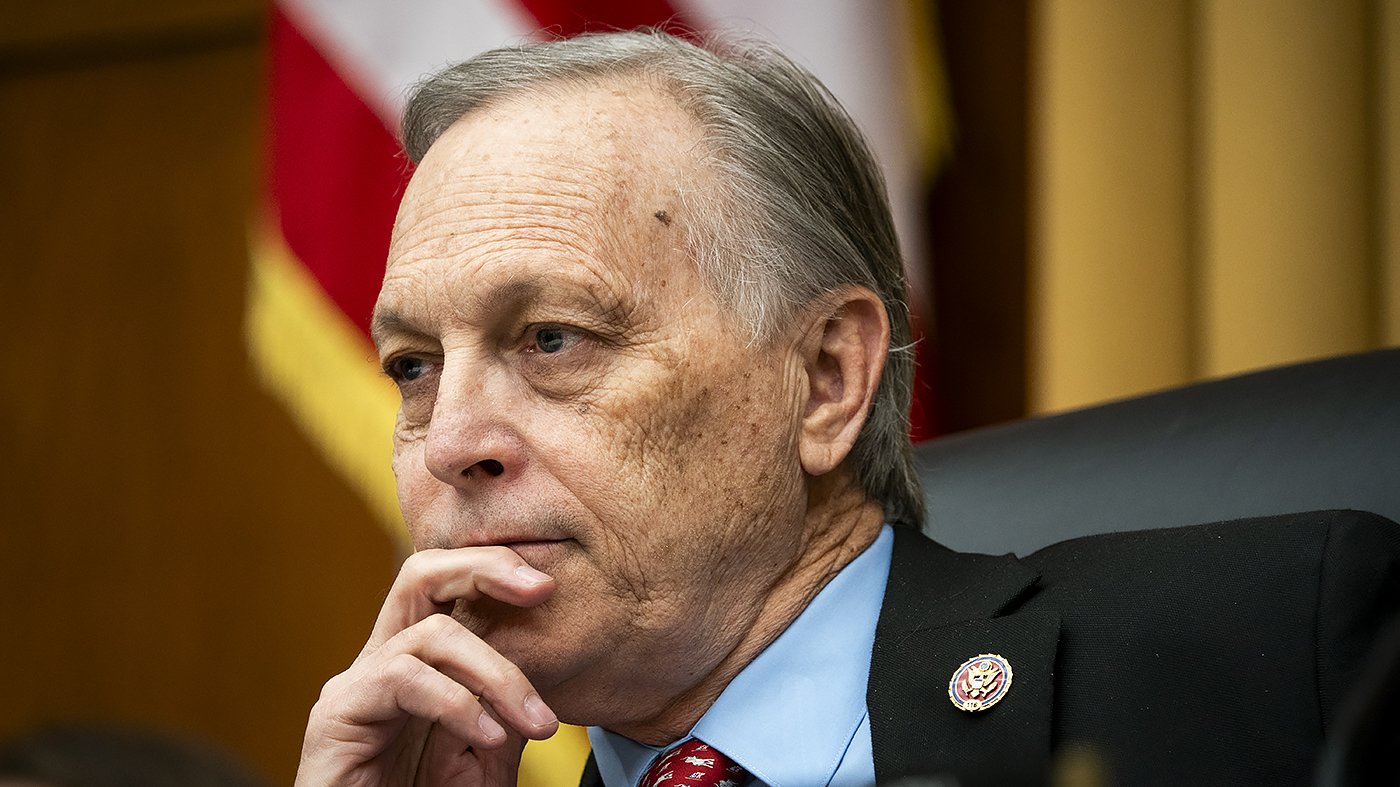
The House of Representatives voted Tuesday evening to attach a fiscal accountability measure to the annual defense policy bill, approving an amendment from Representative Andy Biggs (R-AZ) that would cut the Pentagon's budget by 0.5 percent if it fails to secure a clean audit.
Adopted by voice vote, the amendment to the National Defense Authorization Act (NDAA) mandates that any component of the Defense Department that does not receive at least a qualified opinion from an independent external auditor must surrender half a percent of its discretionary funding to the Treasury to reduce the federal deficit. Accounts for military personnel, reserve forces, National Guard troops, and the Defense Health Program are explicitly exempted from the penalty.
Waiver for National Security
The measure includes a waiver provision allowing the president to exempt specific accounts if certifying that the funding cut would harm national security or endanger service members deployed in combat zones. This carve-out aims to prevent the audit requirement from undermining operational readiness.
Biggs, who faces a competitive primary challenge in Arizona's House race, has long pressed for tighter Pentagon financial oversight. His amendment arrives as Defense Secretary Pete Hegseth has pledged to achieve a clean audit by 2028—a goal the department has failed to meet for eight consecutive years.
Hegseth's Audit Push
In an op-ed last month, Hegseth detailed the administration's efforts to reform Pentagon accounting, writing: “We made it a priority from Day 1, and the process is forcing every corner of the Pentagon to go line by line with exacting detail.” He credited Deputy Secretary Steve Feinberg with conducting a comprehensive review of the budget, which he said “enabled us to streamline our budget by dramatically reducing non-priority spending, exposing billions in redundancies.”
The Pentagon's latest audit, completed in late 2025, marked its eighth consecutive failure, underscoring the scale of the challenge. Critics argue that the repeated audit failures reflect systemic inefficiencies and a lack of financial discipline within the sprawling defense bureaucracy.
The amendment now heads to the Senate as part of the broader NDAA debate. It has drawn support from fiscal conservatives who see it as a tool to force long-overdue accountability, while some defense hawks worry about unintended consequences for military readiness. The White House has not yet signaled whether it supports the measure.