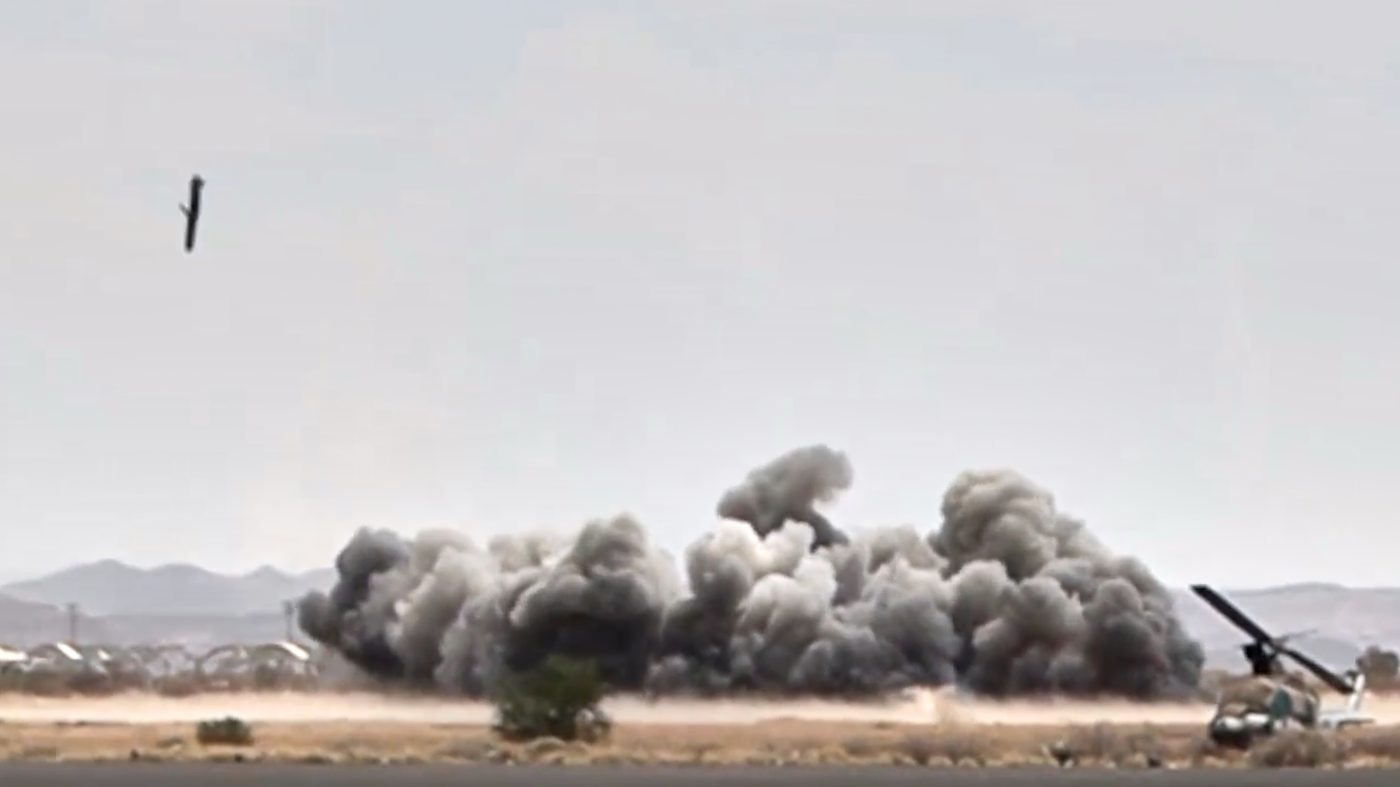
Iran-backed Houthi rebels announced Saturday that they had launched a coordinated barrage of missiles and drones targeting Saudi Arabian oil infrastructure, escalating the regional conflict after Saudi airstrikes hit the Yemeni port city of Hodeida. The militant group framed the assault as direct retaliation for what it called “blatant and criminal aggression” by Riyadh.
Brig. Gen. Yahya Saree, the Houthi military spokesman, said in a social media statement that the group conducted two separate operations. “The first targeted sensitive Aramco-affiliated facilities in Jizan with dozens of ballistic missiles and drones,” he said. “The second operation targeted sensitive Aramco-affiliated facilities in Yanbu with a number of ballistic and cruise missiles and drones.” Saree claimed both operations “successfully achieved their objectives thanks to Allah Almighty, with accurate and direct strikes.”

The strikes come amid a broader escalation of hostilities involving the Houthis, Saudi Arabia, and the United States, with the conflict increasingly spilling into critical maritime chokepoints. The Houthis have recently imposed a maritime blockade in the Red Sea and attacked oil tankers, actions that have disrupted shipping lanes and sent shockwaves through global energy markets.
On Thursday, the Houthis struck two Saudi tankers in the Red Sea, prompting international benchmark Brent crude oil to jump to around $101 a barrel in futures trading. The price surge reflects growing anxiety over the stability of oil supplies from the Middle East, especially as the Strait of Hormuz remains effectively closed due to ongoing crossfire between the U.S. and Iran.
President Donald Trump warned Thursday that his administration would “hold Iran responsible” for any Houthi attacks on ships. In a post on Truth Social, Trump stated: “Please let this TRUTH serve to represent that if they do this again, the U.S. will hold Iran responsible, in that the Houthis are a Surrogate and/or Proxy of Iran, and major military punishment will be inflicted upon Iran and, of course, the Houthis, themselves, who I am very disappointed with in that they have, until now, acted very professionally and smart.”
The Houthi attacks on Saudi Arabia are the latest in a series of escalatory moves tied to the broader U.S.-Iran conflict, raising fears of a wider regional war. The Houthis, who control much of northern Yemen and the capital Sanaa, have long served as a proxy for Tehran, and their actions have increasingly drawn direct U.S. and Saudi responses.
The targeting of Saudi Aramco facilities is particularly significant, as it threatens the kingdom’s oil production and export capacity. Jizan and Yanbu are key hubs for Saudi energy infrastructure, and any sustained disruption could further tighten global oil supplies. The attacks also come as the Trump administration weighs a major escalation of military strikes against Iran, with GOP hawks pushing for a more aggressive response as oil prices climb above $100 a barrel.
Meanwhile, diplomatic efforts to de-escalate remain stalled. The Houthis have shown no willingness to halt their campaign, and Saudi Arabia has continued its bombing campaign in Yemen. The U.S. has also intensified its own strikes on Iranian positions, with Pentagon strikes against Iran entering their 13th night. The situation remains highly volatile, with the potential for further escalation that could draw in additional regional actors.
As the crisis deepens, the international community is watching closely. The Houthis’ ability to strike deep into Saudi territory with precision weapons underscores the growing sophistication of their arsenal, much of which is believed to be supplied by Iran. The conflict, now in its eighth year, shows no signs of abating, and the latest attacks only heighten the risk of a broader conflagration that could engulf the entire region.