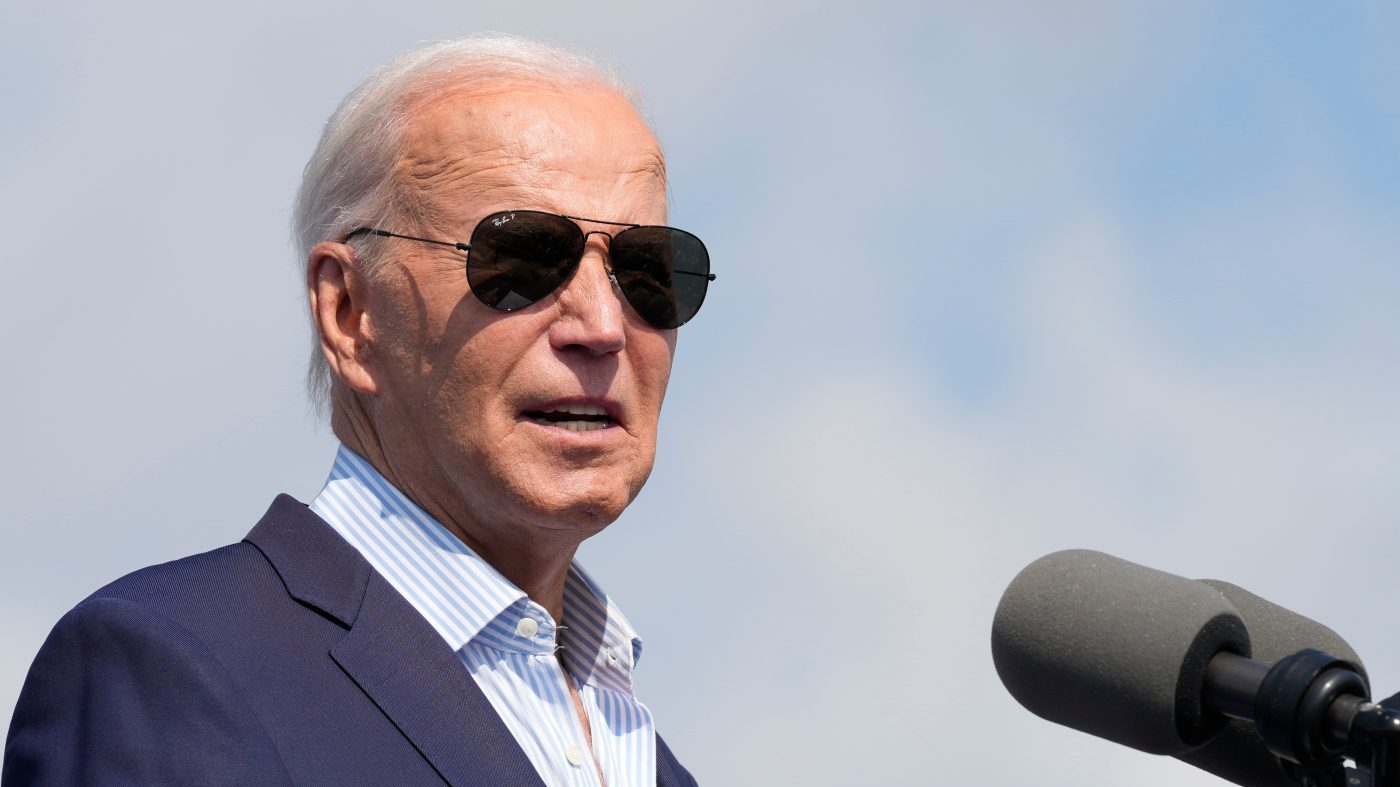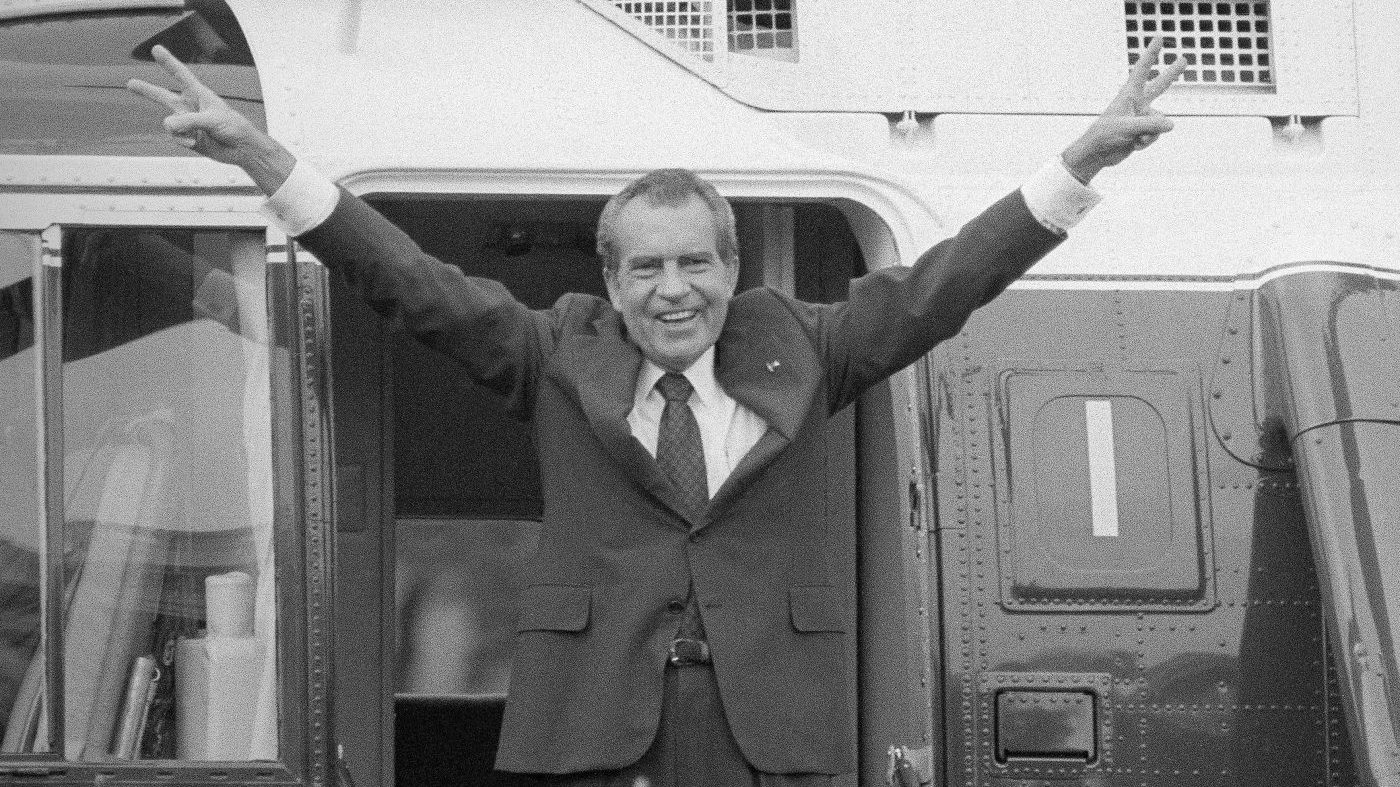
Vice President JD Vance is betting that a return to old-school politics—specifically, the working-class appeal of Richard Nixon—can revitalize the Republican Party and secure its future with a generation that feels left behind. In an era where the political landscape has been upended by Donald Trump's disruptive style, Vance's strategy suggests that looking backward might be the key to moving forward.
According to a recent Wall Street Journal report, young conservatives are increasingly embracing Nixon as an unlikely icon. While some dismiss this trend as a fleeting curiosity, others, including this author, see it as a genuine and growing movement. My own Gen Z nieces and nephews, for instance, are not only familiar with Nixon but also with his former speechwriter Patrick Buchanan, reflecting a hunger for a political lineage that predates the current chaos.

Many young Americans have lost faith in both major parties, fearing the American dream is slipping away. In response, some are turning to historical figures like Nixon, whose policies on labor, law and order, and international affairs resonate with their desire for stability and prosperity. Vance's recent appearance at the Nixon Presidential Library, where he discussed his book Communion and made headlines for downplaying Watergate, underscores this alignment. The New York Times reported that Vance called Watergate a minor scandal by today's standards, blaming the so-called deep state for Nixon's downfall—a narrative that echoes Trump-era grievances.
Critics on the left, including New York City Mayor Zohran Mamdani and Representative Alexandria Ocasio-Cortez, continue to push socialist policies that Vance and his allies argue threaten the nation's future. But for many young voters, especially young men, the appeal of a tough-on-crime, nationalist approach is growing. Vance, like Nixon, positions himself as a man of the people—a former senator who rose from the working class and now serves as vice president at a similar age to Nixon's tenure.
The Republican Jewish Coalition has backed candidates who echo this old-school ethos, and Vance's strategy could pay dividends in the 2028 election. As the left doubles down on progressive agendas, Vance's Nixonian pivot offers a clear alternative: a return to policies that prioritize American workers, national security, and traditional values.
This isn't just about nostalgia. It's about tapping into a deep-seated anxiety among young people who see their future slipping away. By channeling Nixon's record-breaking electoral appeal and his ability to connect with everyday Americans, Vance might just be crafting a blueprint for a GOP that can win back the White House and hold it.