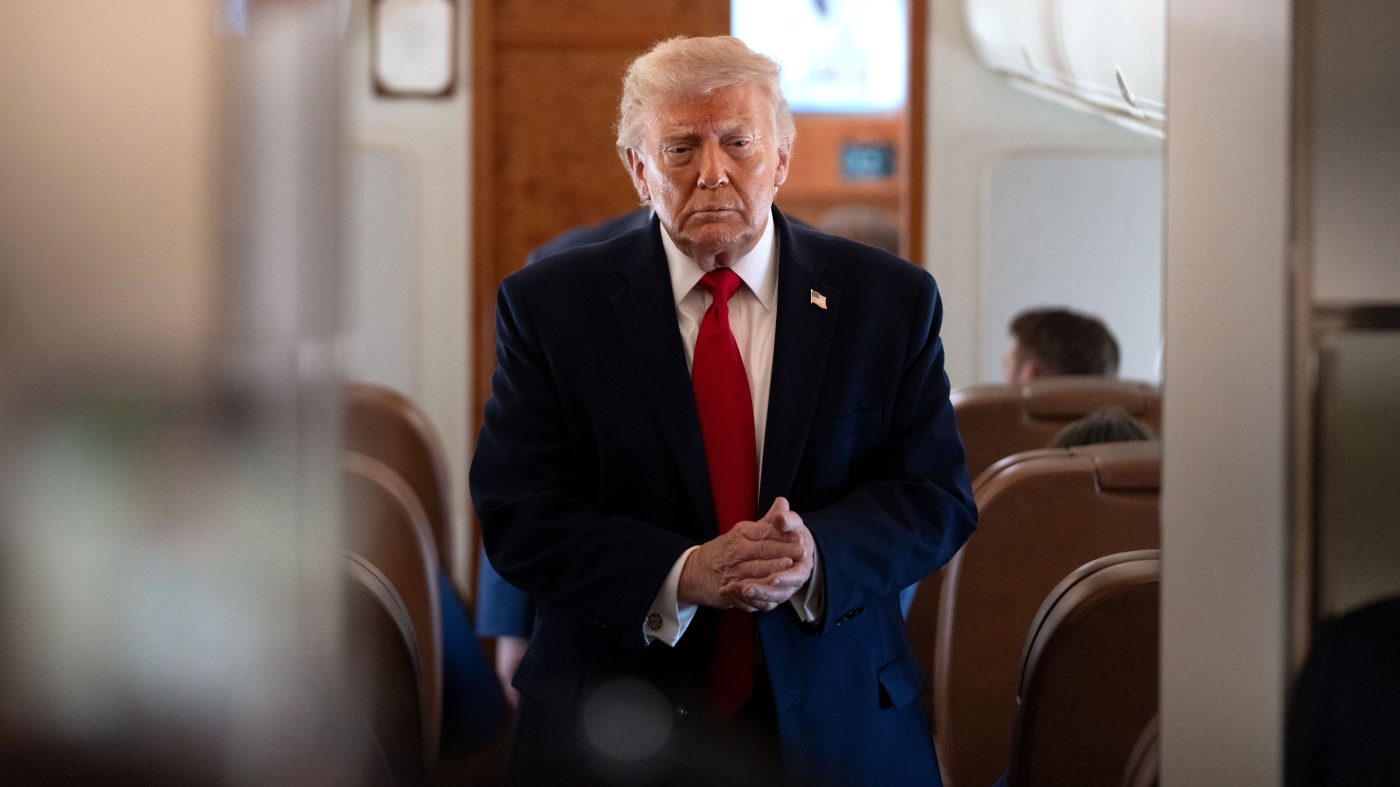
The U.S.-Iran war crossed the 100-day mark over the weekend, with no clear path to peace despite President Trump’s earlier pledges to avoid lengthy foreign entanglements. In a Sunday interview on NBC’s “Meet the Press,” Trump denied ever promising not to start new wars and rejected the label of an “endless war” for the conflict with Tehran.
But the administration continues to face questions about the war’s trajectory as renewed strikes between Israel and Iran put the already shaky U.S.-Iran ceasefire under strain. “The ceasefire was always more theoretical than real,” said Michael Rubin, a Pentagon official under President George W. Bush. “Trump may be sincere, but the Iranians seem more to be using them just to run down the clock.”
A former Trump administration official argued that the Israeli-Iranian exchanges don’t threaten the truce because Iran benefits from prolonging negotiations. “Iran is playing a bit of a game here in trying to position that they might jeopardize the talks,” the former official said. “They think they benefit from the talks dragging out over time.”
Trump himself has indicated he’s in no rush to finalize a peace deal, telling Welker that Iran “has no choice” and that “it takes a little while.” But critics warn that delays risk further damage to Iran’s economy, which is already reeling. According to Al-Jazeera, the Central Bank of Iran reported annual inflation hit 77.2% between April 21 and May 20, with point-to-point inflation for goods surging to 113%. Meanwhile, the Tehran stock exchange reopened last month after an 80-day wartime shutdown, but 40 major companies remain suspended due to missing financial reports.
Victoria Coates, a former member of Trump’s National Security Council, argued the U.S. holds significant leverage. “We actually, as the United States, have a fair amount of leverage at this point, and I have no problem with letting that build,” she said. “They can probably limp along for a couple of months. But those kinds of systemic problems that they have, they compound. If you continue limping along, it becomes harder and harder to come back.”
Iran’s oil sector suffered a major blow Monday when Israel struck the massive petrochemical complex in Mahshahr. Coates noted that the industry—one of Iran’s most lucrative exports—was expected to rebound quickly after the Strait of Hormuz reopened, but “that’s now gone.”
Back home, Republicans defending their congressional majorities are feeling pressure as Democrats seize on rising energy prices and voter fatigue. “Another expensive conflict with no end in sight is not what the American people want or need right now,” said Sen. Tammy Duckworth (D-Ill.), pointing to war powers resolutions in both chambers that would theoretically force Trump to end the conflict. The House passed a largely symbolic resolution last week, with four GOP lawmakers crossing party lines.
Many Republicans resist the “endless war” label, citing the ceasefire in place since April. “It’s hard for me to see this as a quagmire,” Coates said. “That said, the Iranians have a vote in all of this.”
Iran announced Monday it would suspend ballistic missile attacks on Israel but warned of “a harsher and more crushing response” if Israel resumes operations in southern Lebanon. Observers note Tehran is trying to drive a wedge between Washington and Jerusalem, a strategy that appeared to gain traction after Trump’s tense phone call with Israeli Prime Minister Benjamin Netanyahu last week. The president expressed frustration over Israel’s incursion into Lebanon, which targeted Hezbollah. Iran then suspended talks with the U.S. following the Israeli strikes.
Tensions escalated further Sunday when Iran launched missiles into Israel for the first time since the ceasefire began, prompting Israeli retaliation against military targets in western and central Iran. Trump’s response signaled a rhetorical shift toward Israel, which had been a close partner at the war’s outset. “I call the shots. I call all the shots. He doesn’t call the shots,” Trump told the Financial Times, referring to Netanyahu. He also said Israel “won’t have any choice” but to accept any eventual deal with Iran. Rubin characterized the remarks as an effort to “bully” Netanyahu.
For more on Trump’s political challenges, see analysis of key primary races. The conflict’s economic ripple effects are also explored in Tehran's strategy to outlast Washington.