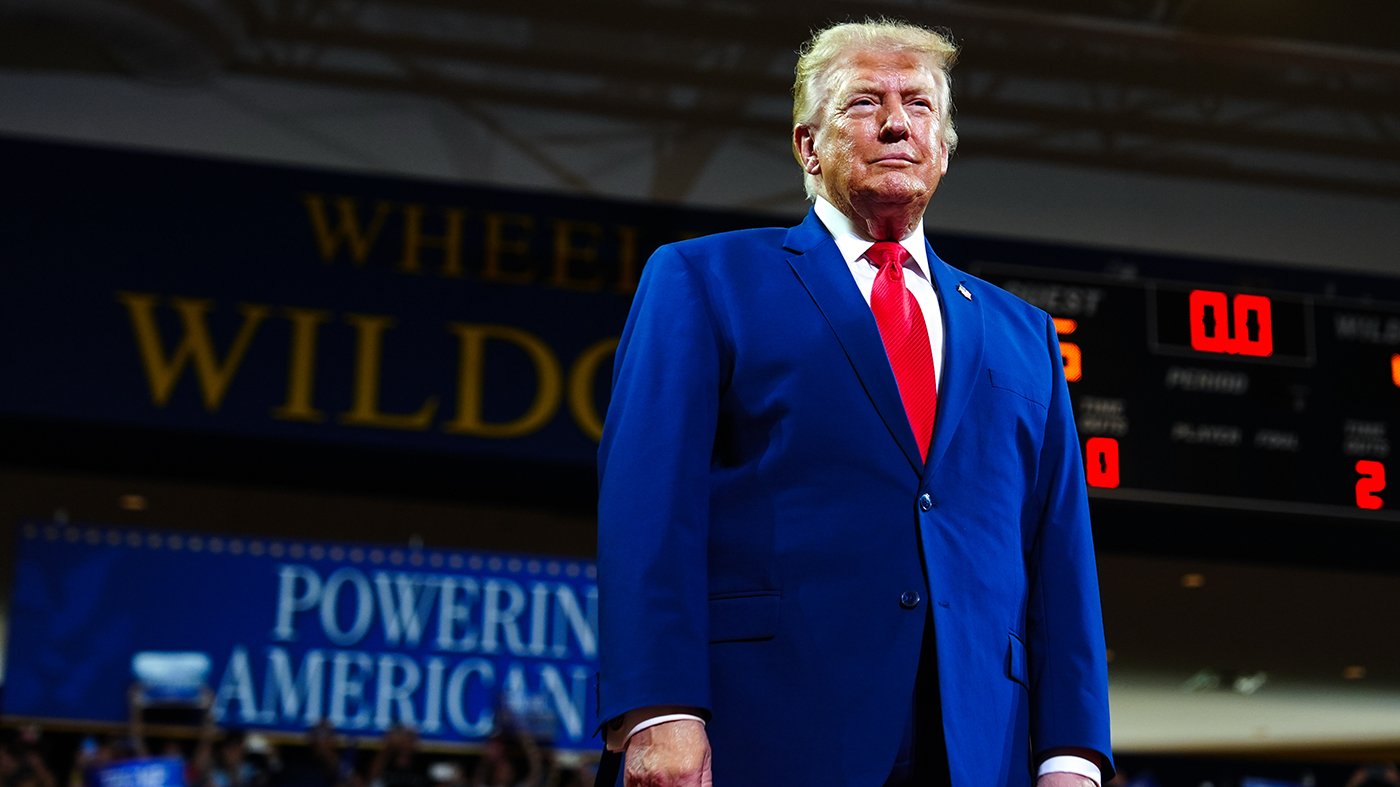
President Trump threw the newly signed Saudi nuclear deal into turmoil on Thursday, declaring that the agreement hinges on Riyadh normalizing ties with Israel under the Abraham Accords—a condition that was conspicuously absent from the Energy Department's announcement just 24 hours earlier.
A Sudden Shift in Strategy
Trump's demand, posted on social media, appeared to contradict the terms described by administration officials and the Saudi government on Wednesday. White House press secretary Karoline Leavitt confirmed the new condition, telling reporters that if the Saudis do not join the Abraham Accords, "the deal is off." When pressed on why this was not mentioned during the previous day's rollout, Leavitt said Trump "is always the final dealmaker."
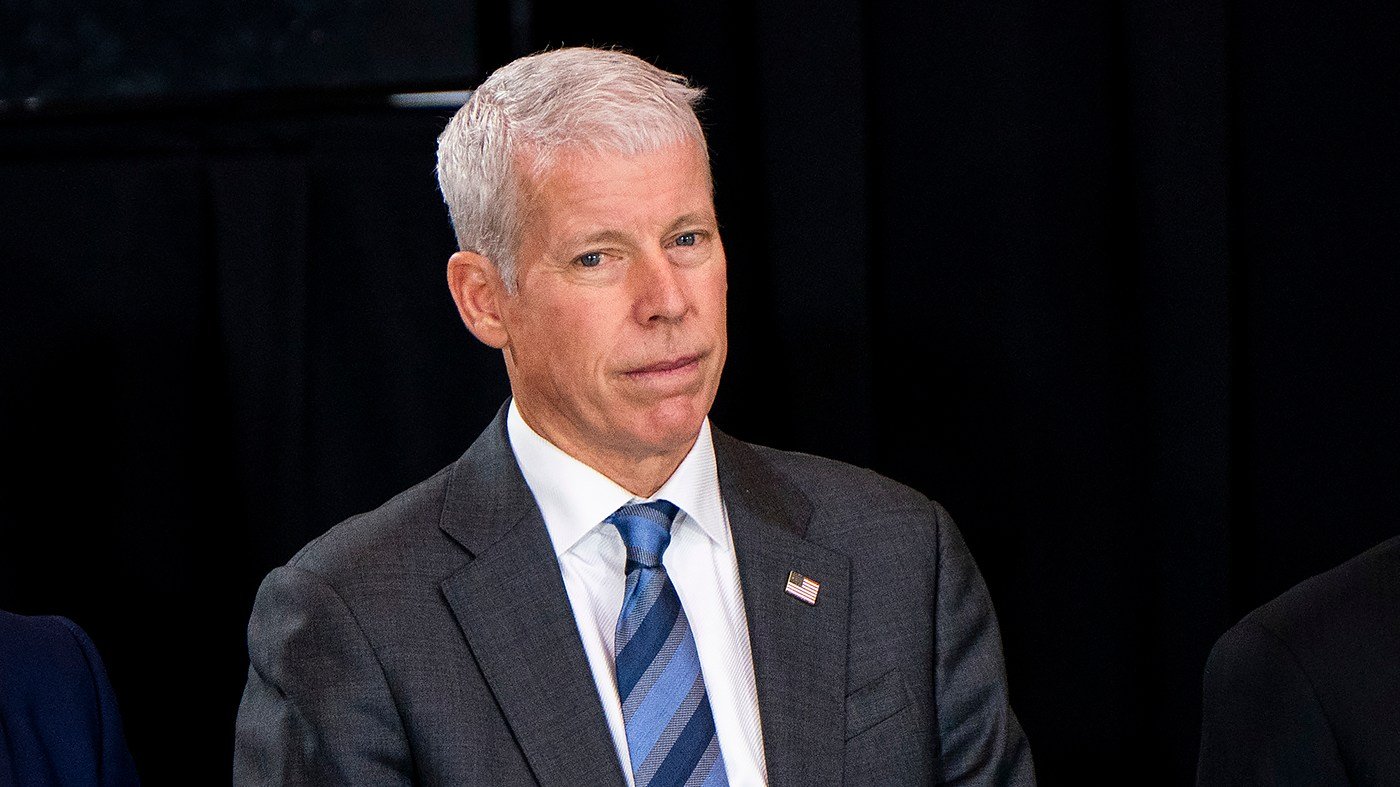
The reversal has raised questions about whether the White House is executing a tactical pivot or simply managing a chaotic rollout. Bryan Clark, a senior fellow at the Hudson Institute, argued the move was an attempt to placate critics. "This is the president trying to kind of backtrack and address the concerns from a lot of Israel supporters and hawks in general that we didn't get anything in return for this," Clark said. He noted that if the condition had been part of the original deal, Trump "would have taken credit for it right up front … because that is a big coup."
Confusion and Skepticism
The Saudi government has long insisted that any normalization with Israel requires a credible pathway to Palestinian statehood—a position Israel has rejected. Robert Einhorn, a senior fellow at the Brookings Institution, suggested Trump may be using the condition to gain leverage. "He probably knows that he's not going to get Saudi normalization … but he may think that if he now drops that new condition, he could get something for it, perhaps something having to do with enrichment or verification," Einhorn said. He added that the announcement likely caught not only the Saudis but also Trump's own advisers by surprise.
Lawmakers and experts have raised alarms about the deal's nonproliferation safeguards. The agreement, signed by Energy Secretary Chris Wright and Saudi Energy Minister Prince Abdulaziz bin Salman, includes a "123 agreement" and a bilateral safeguards pact, but critics say it lacks the strictures of similar deals, such as the one with the United Arab Emirates, which barred enrichment and reprocessing. Sen. Tim Kaine (D-Va.) warned that the Saudis have not agreed to the International Atomic Energy Agency's additional protocol, creating a "red flag." Rep. Brad Sherman (D-Calif.) expressed uncertainty about Trump's intentions, saying, "You never know whether Trump's serious about anything."
Andrea Stricker, deputy director of the nonproliferation program at the Foundation for Defense of Democracies, noted that Trump's comments "may, helpfully, serve to delay the agreement from coming to fruition" by forcing the Saudis to address the normalization demand. The Hill has reached out to the Saudi Embassy for comment.
Broader Implications
The deal, which includes a two-year study on whether uranium enrichment is necessary, has drawn scrutiny over its potential to enable Saudi Arabia to develop a latent nuclear weapons capability. Clark observed that countries pursuing civilian enrichment "almost always have a secondary motive of starting the process of creating a latent capability to build their own nuclear weapon." Trump's post also stated that "there will be no enrichment of material," though he added the U.S. is "not opposed to Civil (Non-Enriched) Nuclear Facilities."
Meanwhile, the White House faces a delicate balancing act with Riyadh, a key oil partner. The recent Houthi attacks on Saudi tankers have already roiled global energy markets, and any further strain in U.S.-Saudi relations could have economic consequences. As Stricker put it, the situation is fluid, and the ultimate fate of the deal remains uncertain.