Fresh polling data is sounding alarms inside the GOP as the escalating conflict with Iran appears to be eroding enthusiasm among President Trump’s most reliable voters. The war, which has never enjoyed broad public support, is now showing signs of alienating the MAGA base that Republicans are counting on to drive turnout in the upcoming midterm elections.
A Politico survey released Wednesday found that only 37 percent of Trump’s supporters back the war if it leads to higher prices—a sharp drop from 50 percent in May. That decline comes as rising oil prices and renewed fighting push the national average for a gallon of gas above $4, according to AAA. The latest violence, including Houthi attacks on Saudi tankers in the Red Sea, has dashed hopes that a recent memorandum of understanding between Washington and Tehran might lead to a ceasefire.
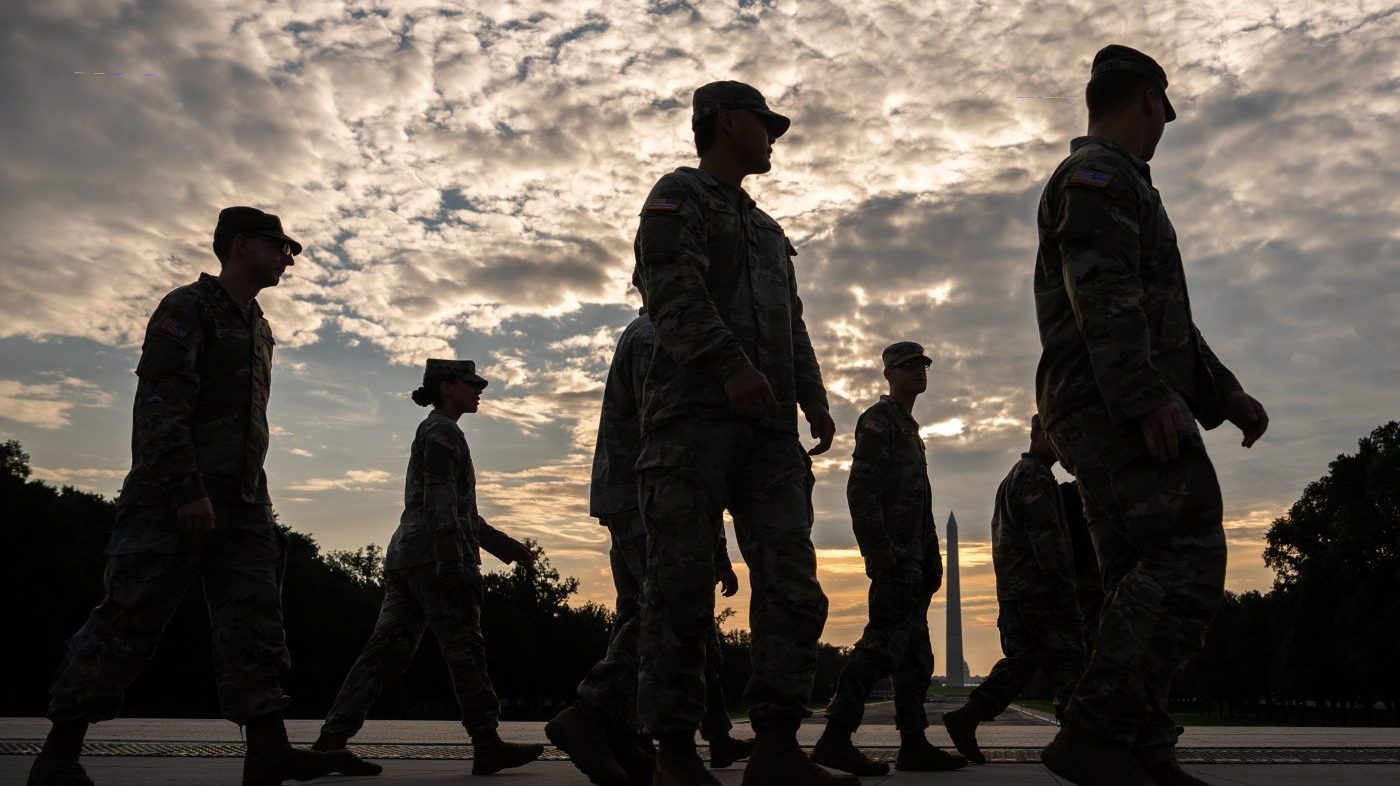
The human cost is also mounting. Four U.S. service members have been killed in recent weeks—three in a drone strike on a base in Jordan and one while disabling a drone in Iraq. The administration reports more than 400 troops have been injured, though officials say about 90 percent have returned to duty. Democrats are seizing on the casualties to hammer the White House. Representative Sara Jacobs (D-Calif.) told Trump officials at a hearing, “Now we’ve lost at least 18 U.S. service members because of your administration’s incompetence, and you should all be ashamed.” She added that the only beneficiaries appear to be “the ayatollah and his cronies.”
Republicans privately acknowledge the war is a political liability. A source close to the White House conceded, “It was already a problem. I do think the Iran adventure has exacerbated that problem.” The source noted that Trump’s base tends to turn out more forcefully when he is on the ballot, but the conflict could complicate that dynamic. “Broadly speaking, I think the president has a lot of leeway with his base on almost every issue, including this one,” the source said, “but that goodwill has limits.”
The White House insists Trump can manage the war while focusing on domestic issues, but some GOP insiders are skeptical. “You can say you can walk and chew gum at the same time, but when you’re at war, you really can’t,” the source added. Meanwhile, hawks like Senator Marco Rubio are urging a more aggressive response, and Representative Michael McCaul (R-Texas), retiring as former chair of the House Foreign Affairs Committee, called for a major bombing campaign. “We need to allow our military to do what they do best and then negotiate from the rubble,” McCaul told CNN. “This back-and-forth approach will guarantee that this thing delays into the midterm elections, which is precisely what Iran is trying to do.”
House Democrats this week passed a war powers resolution rebuking Trump’s actions, with four Republicans—including Representatives Tom Barrett (R-Mich.) and Brian Fitzpatrick (R-Pa.), both facing competitive reelection bids—voting in favor. The Senate narrowly avoided a vote on the measure. John Byrnes of Concerned Veterans for America noted, “Democrats have been pushing these votes since very early in the war, trying to get Republicans on the record so that in the right districts they can call them out.”
The administration and the Republican National Committee argue that voters support preventing Iran from obtaining a nuclear weapon. White House spokesperson Olivia Wales said, “President Trump does not make these decisions based on fluid opinion polls, but on the best interests of the American people.” RNC press secretary Natalie Baldassarre echoed that line, touting Trump’s “Peace through Strength” approach. But with prices rising, casualties accumulating, and Democrats gaining ground in generic ballot polling, the war is emerging as a wild card that could reshape turnout dynamics in battleground districts.