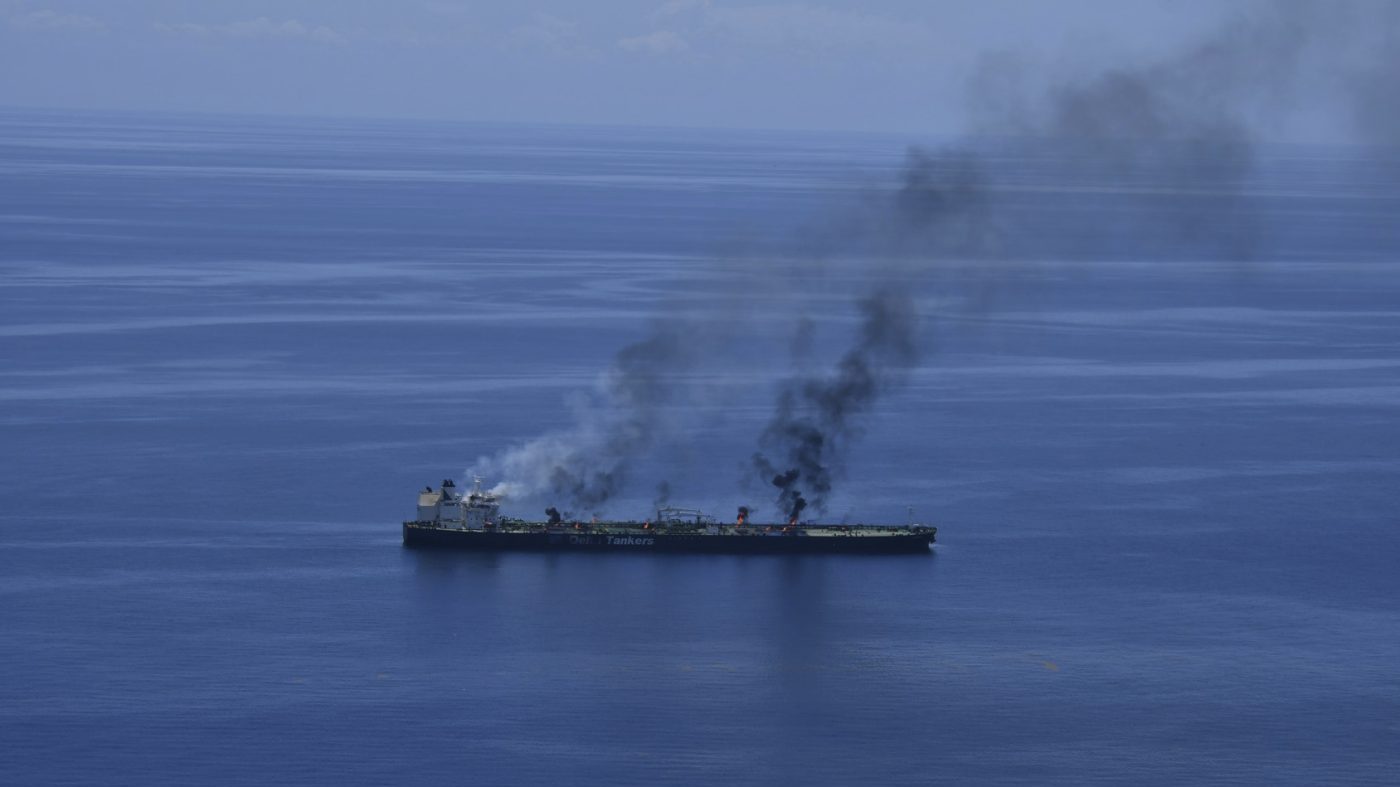
Yemen's Houthi rebels claimed responsibility for striking two Saudi Arabian oil tankers in the Red Sea on Thursday, marking the first known attack since the group declared a blockade on Saudi vessels navigating the Bab el-Mandeb Strait earlier this week. The Iranian-backed militants said they hit the tankers Encelia and Layla with ballistic and cruise missiles, as well as drones, according to the group's SABA news agency. The Houthis also claimed to have forced approximately ten other ships to retreat and reverse course.
The attack underscores a sharp escalation in the Houthi campaign against Saudi shipping, which the rebels say is retaliation for a strike on Sanaa airport, a facility under their control. The internationally recognized, Saudi-backed Yemeni government claimed responsibility for that airport strike. The Houthis imposed their embargo on Monday, vowing an “eye for an eye” approach. In a statement, the group warned: “The Armed Forces will continue their naval operations against the Saudi enemy and will persist in enforcing the ‘A siege for a siege’ equation.” They added that any “folly or aggression” targeting Yemen would be met with “large-scale operations deep within its territory.”
Global Oil Markets on Edge
The Bab el-Mandeb Strait, a critical chokepoint at the southern entrance to the Red Sea, saw roughly 8.7 million barrels per day of oil transit in 2023, accounting for about 8% of global oil shipments, according to the U.S. Energy Information Administration. Following the Houthi claim, Brent crude oil prices rose above $98 per barrel, continuing a two-week uptick driven by renewed U.S.-Iran tensions over shipping restrictions in the Strait of Hormuz.
The Houthi blockade and tanker strikes come amid a broader geopolitical standoff between Washington and Tehran. President Trump has previously authorized strikes against the Houthis for attacks on commercial shipping in the Red Sea and Gulf of Aden, and on Tuesday he warned that the U.S. “will take care of things” if the rebels followed through on their embargo. Secretary of State Marco Rubio told reporters Wednesday that the administration is “watching” the Red Sea situation “closely,” noting that the Houthis have “threatened global shipping there in the past.” Rubio added, “Anything that restricts shipping through the Red Sea would be problematic, for the same reasons that the Strait of Hormuz is problematic.” He confirmed ongoing consultations with Saudi Arabia over the past week regarding the threat.
The attack also highlights the deepening entanglement of regional conflicts, with Iran directing Houthi operations as part of a broader strategy to pressure Saudi Arabia and its allies. For more on the Iranian role, see our analysis of Tehran's directives to the Houthis. Meanwhile, the Trump administration's response to the crisis is drawing scrutiny, especially given the president's earlier vow to act. For context on that pledge, read Trump's commitment to address the Houthi threat.
As oil markets react and diplomatic channels buzz, the Houthi blockade risks further destabilizing an already volatile region. The rebels' ability to strike Saudi tankers despite U.S. and Saudi naval presence in the Red Sea raises questions about the effectiveness of current deterrence measures. With the Strait of Hormuz also under strain from Iranian restrictions, global energy security faces a twin threat that could push prices higher and disrupt supply chains.