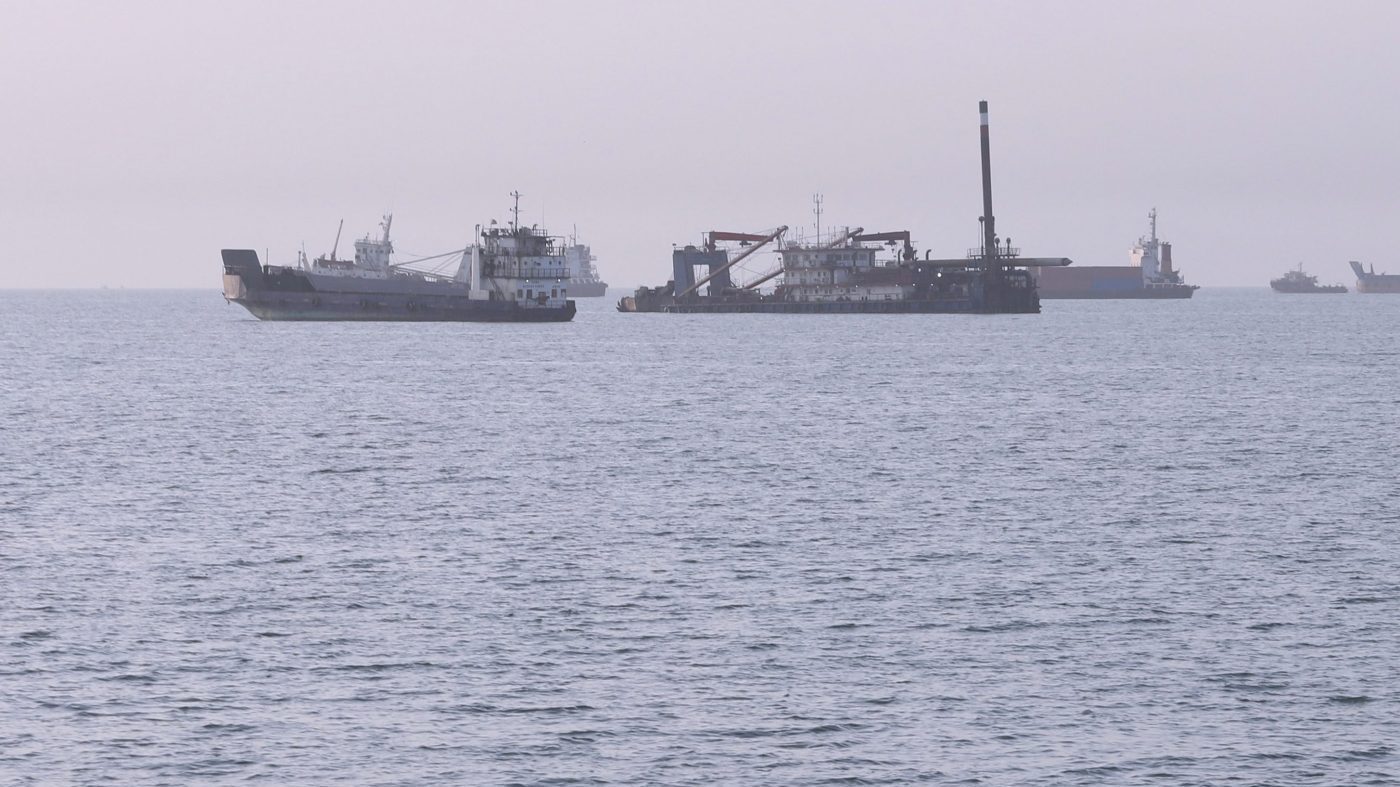
Iran's Islamic Revolutionary Guard Corps (IRGC) has claimed responsibility for an attack on a US military vessel in the strategic Strait of Hormuz, according to state media reports on Sunday. The incident marks the latest escalation in a tense standoff between Washington and Tehran in the vital waterway.
The semi-official Press TV, citing an IRGC statement, reported that the targeted vessel was remotely operated and had attempted to enter a restricted area within the strait. The IRGC's statement, as quoted by Press TV, warned that "every desperate move by the enemy is being closely monitored by brave, self-sacrificing IRGC Navy forces and will be met with a decisive attack."
The attack comes just a day after US Central Command (CENTCOM) announced it had conducted strikes on multiple Iranian crude oil carriers in response to what it described as "multiple unprovoked" attacks on two American warships. CENTCOM said its forces "permanently disabled" three IRGC-affiliated oil carriers near Kharg Island and in the Gulf of Oman, emphasizing that no US service members were harmed in the Iranian attacks.
In a statement shared on social media, CENTCOM Commander Adm. Brad Cooper delivered a blunt warning to Tehran: "Let the message to the IRGC be clear: If you shoot at two of our ships, we will impose an even higher economic cost — taking out three of yours. We will not hesitate to defend American forces, and if necessary, destroy Iran's limited and exposed oil fleet."
The exchange is part of a broader surge in military operations between the two nations over the past week. Earlier in the week, the US carried out approximately 100 strikes against Iranian targets, prompting Tehran to respond with attacks on US military bases and allied positions across the Middle East.
The Strait of Hormuz is a critical chokepoint for global oil shipments, and any disruption there can have significant implications for energy markets and international security. The recent confrontations have raised concerns among analysts about the potential for a wider conflict in the region.
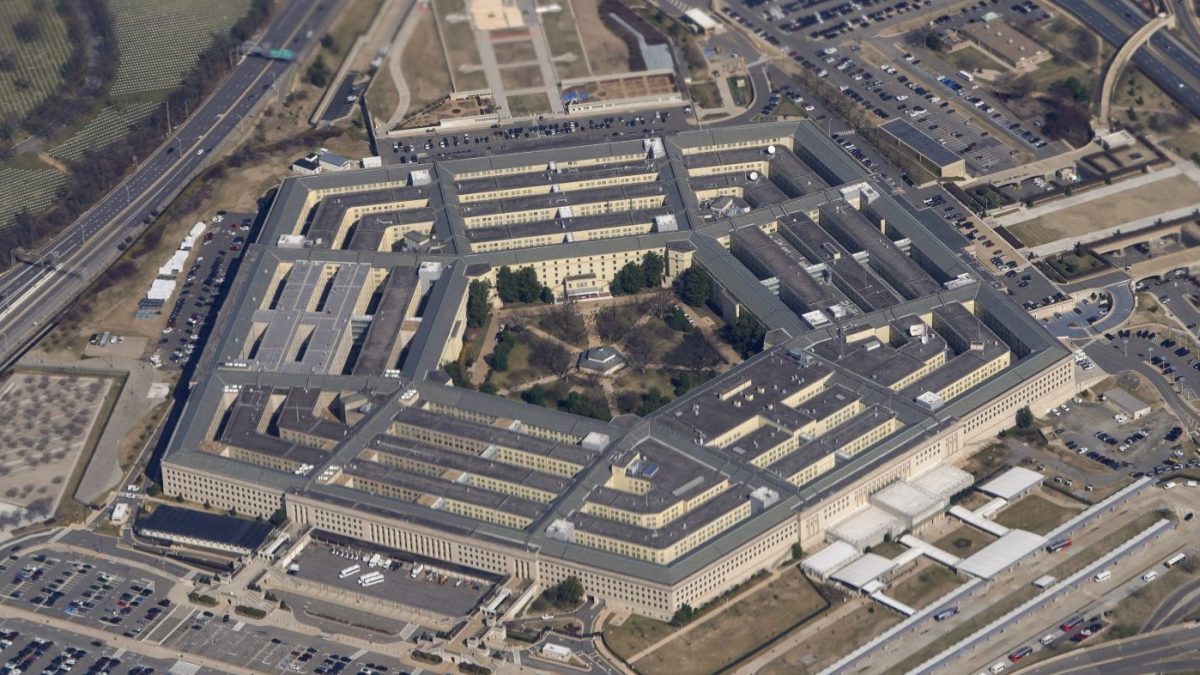
The Pentagon has not yet officially commented on the latest IRGC claim, but the incident underscores the fragile state of US-Iran relations. The Trump administration has been vocal about its intent to apply maximum pressure on Tehran, while Iran has repeatedly threatened to close the strait if its interests are threatened.
This latest development follows a pattern of escalating rhetoric and military posturing. Earlier reports indicated that US-Iran strikes escalated in the Strait of Hormuz, and the situation remains fluid. Meanwhile, political figures have weighed in on the crisis, with some accusing the media of treason over war readiness reports.
As the situation develops, international observers are closely monitoring for any signs of further military action. The US has consistently asserted its right to defend its forces, while Iran has vowed to respond to any perceived aggression. The coming days are likely to be critical in determining whether the two sides can de-escalate or whether the conflict will continue to spiral.