Ukraine struck a major oil refinery on Moscow's southeastern edge for the second time in seven days on Thursday, sending thick black plumes over the capital and grounding flights at four airports. Officials described it as one of the largest drone assaults on Russian soil since the invasion began more than four years ago.
The attack came just hours after President Volodymyr Zelenskyy said he had secured fresh commitments of military and diplomatic aid from the G7 summit. In a pointed message to Moscow, he warned: “If Ukraine is going to burn, your Moscow will burn too.” He framed the strike as part of Kyiv's strategy to force Russian President Vladimir Putin to negotiate an end to the war.
Ukrainian Foreign Minister Andrii Sybiha taunted Muscovites on social media, saying the morning's smoke and flames should prompt them to ask Putin “when he is planning to end it.” The refinery, one of Russia's largest, supplies more than a third of the Moscow region's fuel. Its operator said the blaze was “largely contained” by Thursday afternoon, but local video showed sooty rain falling on cars and residual flames flickering among the smokestacks.
The Russian Defense Ministry claimed its air defenses shot down 555 Ukrainian drones overnight, with nearly 200 intercepted near Moscow. That figure was roughly double the number of drones Russia launched at Ukraine during the same period, according to Ukrainian air force data. The attack also damaged a residential building in the town of Zhukovsky, injuring 17 people, including two children, according to regional governor Andrei Vorobyov.
Thursday's strike is the latest in a series of Ukrainian drone operations targeting Russian energy infrastructure, aiming to cut off revenue that funds the war effort. Fuel shortages have already emerged in some Russian regions, with independent outlet Agentstvo reporting that one in four gas stations nationwide has imposed purchase restrictions. Moscow authorities insisted supplies to the capital remained normal.
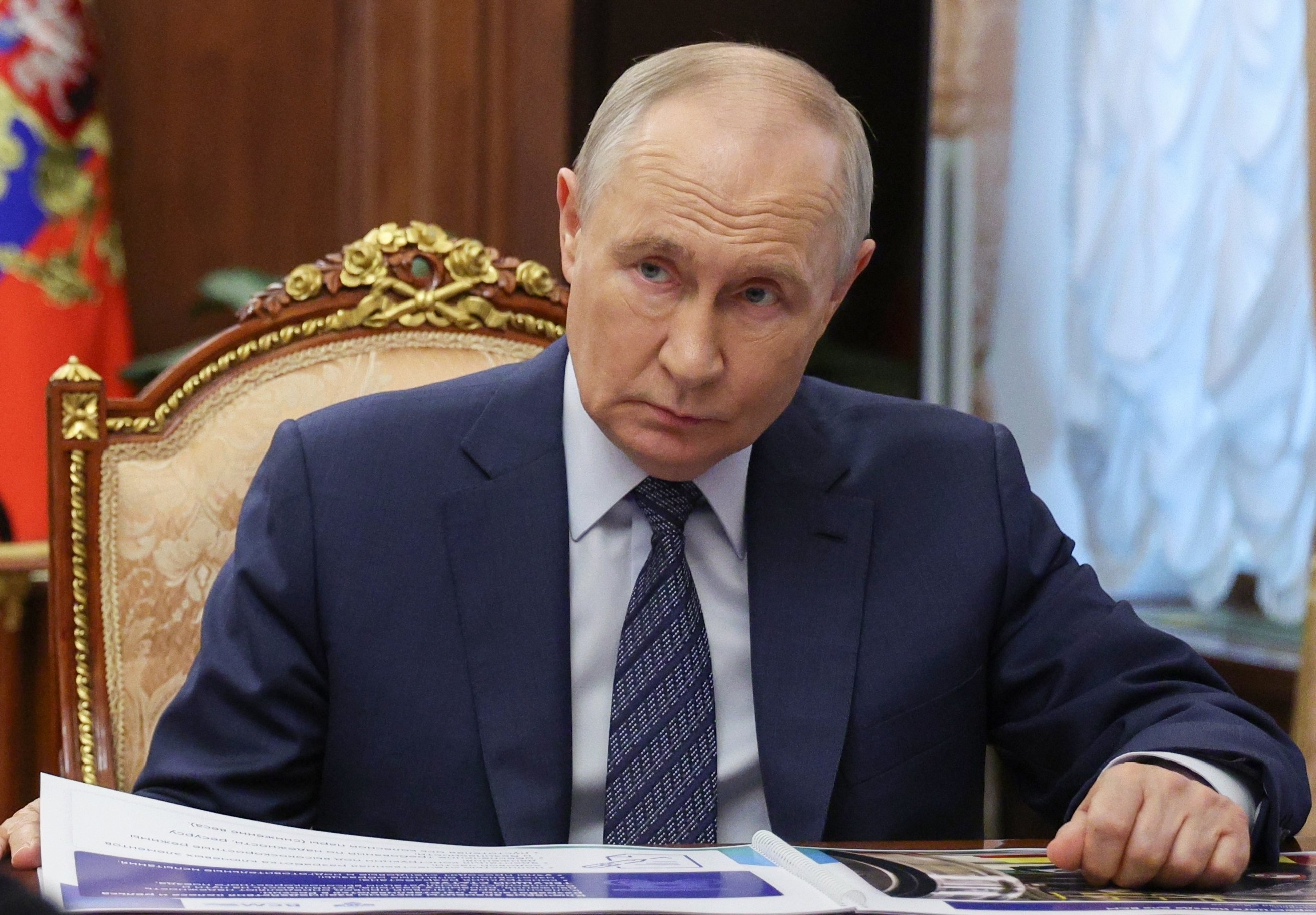
Putin was in Kazan, 700 kilometers east of Moscow, hosting leaders from the Association of Southeast Asian Nations as he seeks to bolster economic ties with the bloc. The attack on the capital—while he was far away—underscores the growing reach of Ukraine's drone capabilities and the Kremlin's inability to shield its citizens from the war's consequences. Earlier this month, a Ukrainian drone struck Putin's hometown of St. Petersburg during his flagship economic forum.
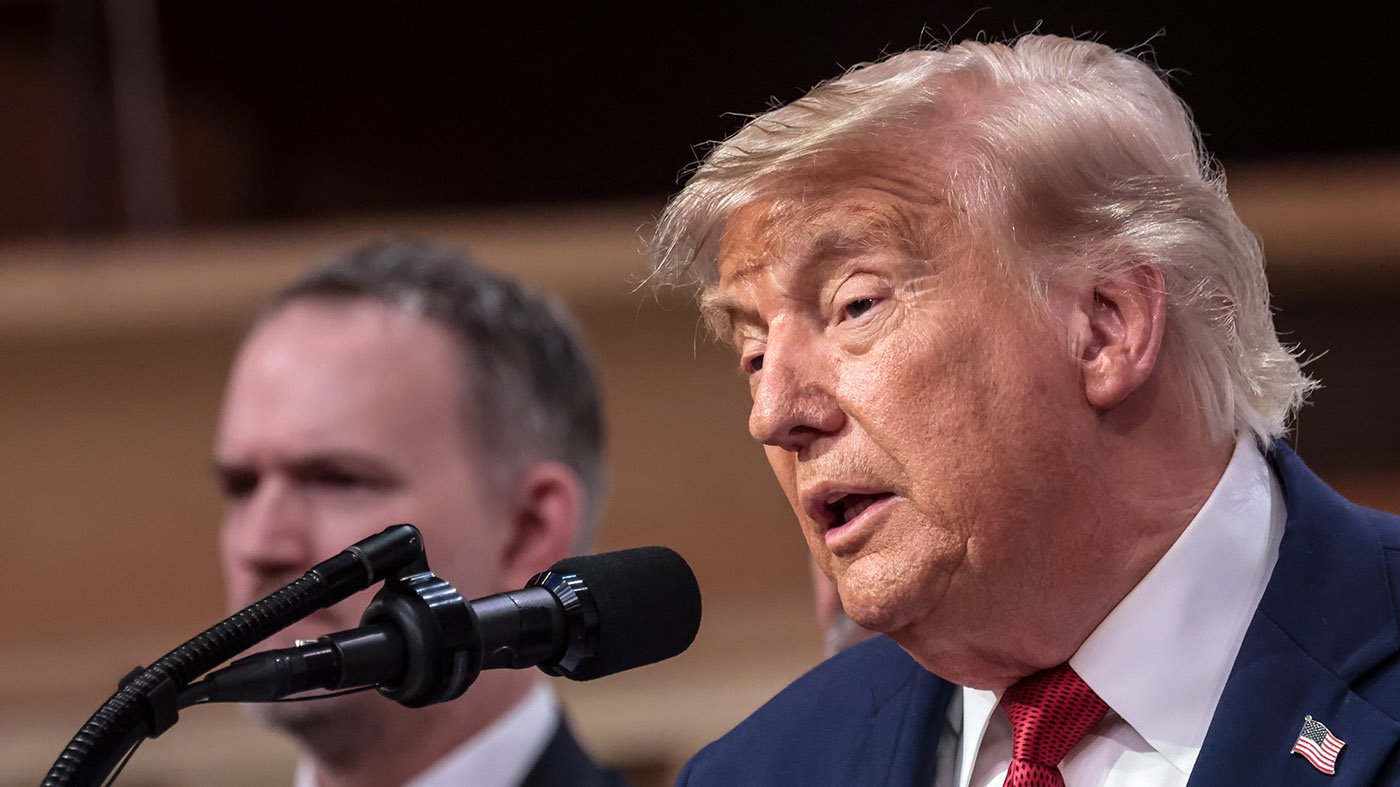
Zelenskyy, meanwhile, is expected in Brussels later Thursday for talks with NATO and European Union leaders, including discussions on a continental missile defense system to counter Russia's relentless ballistic missile strikes. He has accepted an unconditional ceasefire demanded by former President Donald Trump, but Putin has refused, and U.S.-led peace efforts have stalled. The Trump administration has cut back assistance to Ukraine, leaving European nations as the primary suppliers of military and financial aid.
On the battlefield, Ukrainian forces have gained momentum using high-tech drones to disrupt Russian supply lines in occupied territories, Western officials and analysts say. Longer-range strikes are also choking Russian oil production, adding economic pressure on Moscow.
In other developments Thursday, Russian glide bombs struck the northeastern city of Sumy, killing a 64-year-old man fishing in a river, and hit the central city of Dnipro, killing one and wounding nine others. The attacks come as Ukraine continues to press its campaign to bring the war home to Russia, even as it struggles to defend its own cities from relentless aerial bombardment.