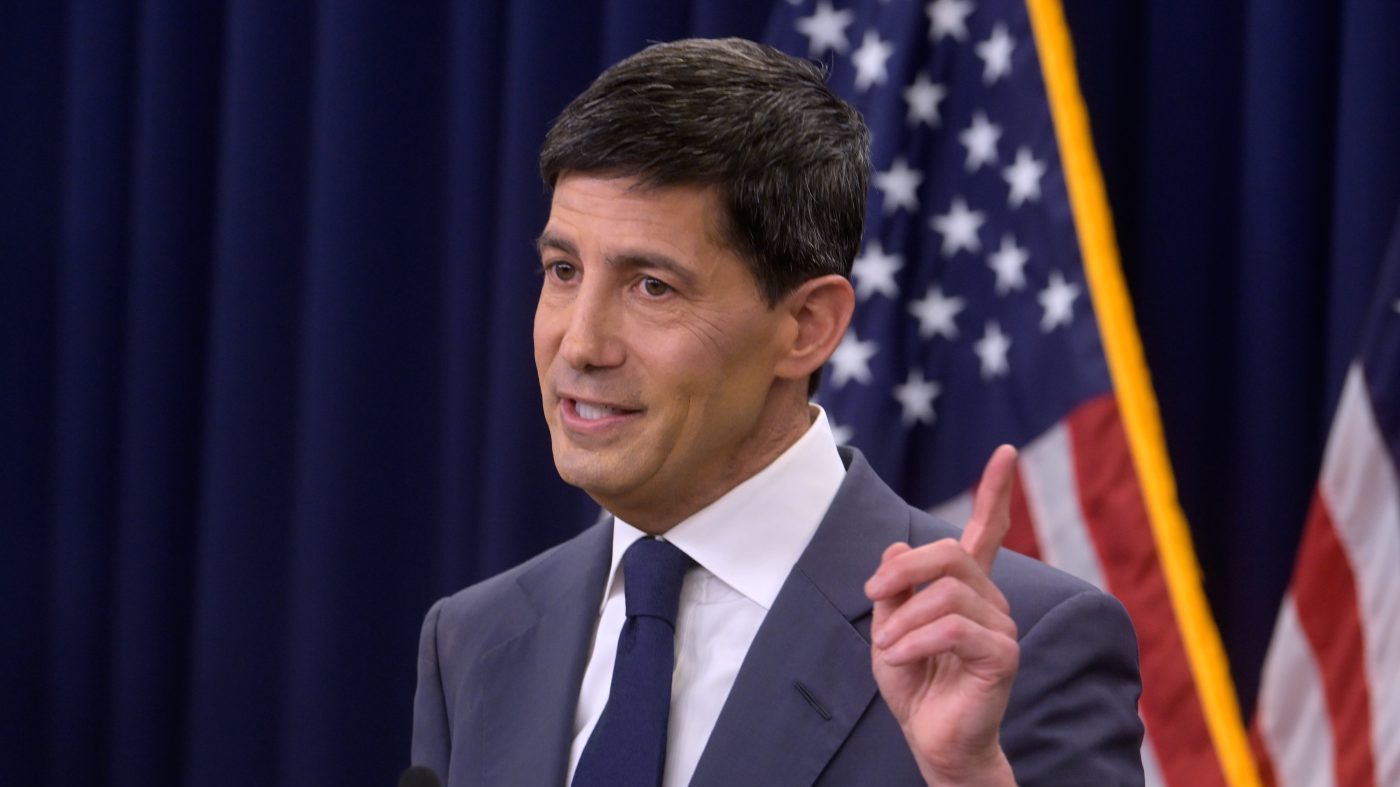
The Senate's attempt to move forward on renewing the nation's lapsed foreign surveillance powers collapsed Wednesday after President Trump abruptly canceled a confirmation hearing for his director of national intelligence nominee, Jay Clayton. The decision, announced in the early hours, triggered a chaotic scramble on Capitol Hill and exposed deepening rifts between the White House and lawmakers from both parties.
Senate Intelligence Committee Chairman Tom Cotton initially pushed back, insisting the hearing would proceed as scheduled. But within hours, Cotton reversed course, calling the cancellation “regrettable” and confirming that Trump had directed Clayton not to appear. The episode left senators questioning not only the fate of the DNI nomination but also the path forward for Section 702 of the Foreign Intelligence Surveillance Act (FISA), which expired amid the standoff.
Democrats were quick to pounce. Sen. Mark Warner, the committee’s top Democrat, told reporters he wasn’t even sure whether Clayton remained the nominee. “I am not sure whether Jay Clayton has simply been postponed or withdrawn,” Warner said, blasting the “level of chaos and incompetence” from the administration. The confusion was compounded by Trump’s decision to install Bill Pulte, the head of a housing agency known for targeting Trump’s political foes, as acting DNI—a move that drew condemnation from both sides of the aisle.
Republicans, too, voiced frustration. Sen. Todd Young of Indiana, a committee member who had met with Clayton and praised his qualifications, expressed regret over the delay. “It is what it is. This is the president’s prerogative,” Young said, though he admitted uncertainty about how the Senate would proceed on FISA. Sen. Kevin Cramer of North Dakota suggested Trump’s decision might have been fueled by “sleep deprivation” during his overseas travel, calling it strategically unsound. Cramer speculated that Trump feared losing leverage after Democrats signaled they would not guarantee FISA passage without Clayton’s confirmation first.
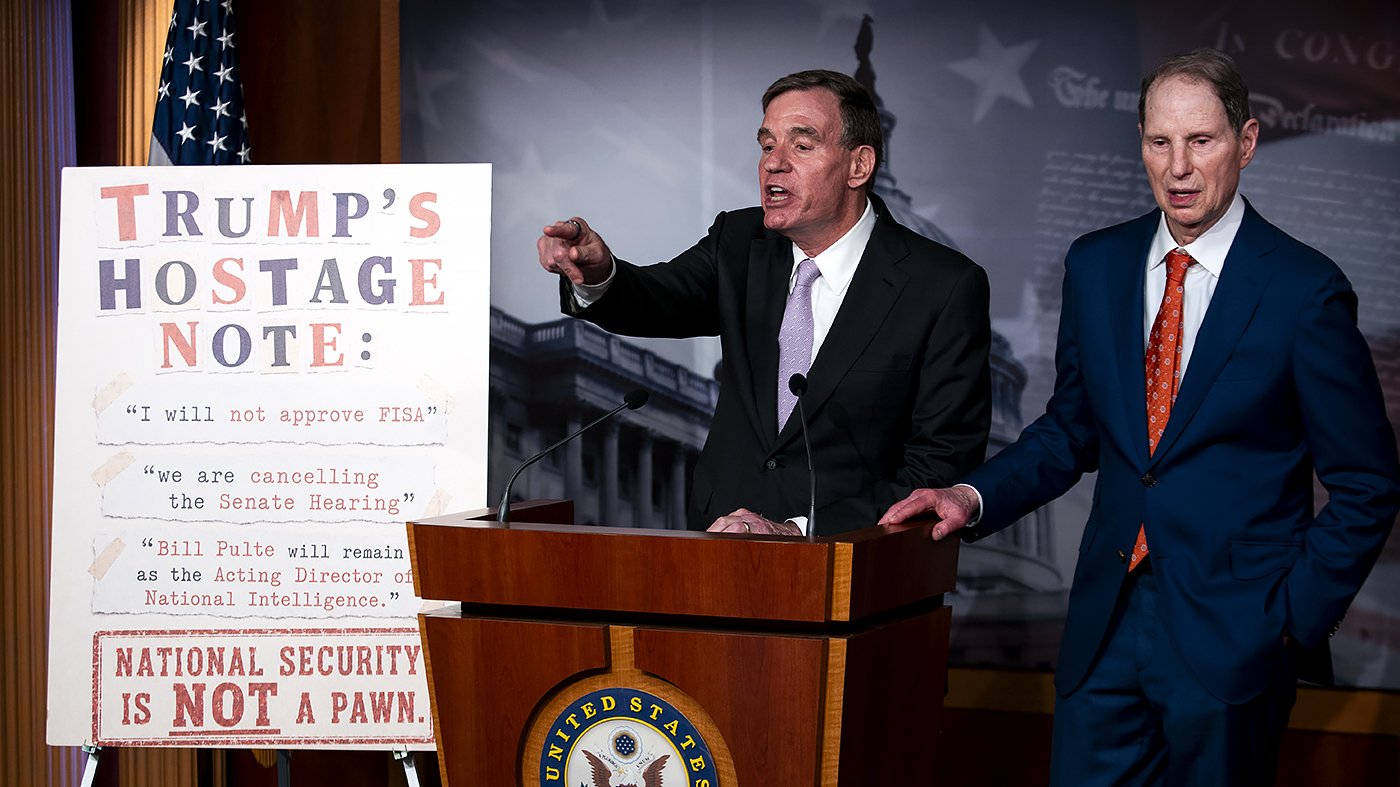
The president further inflamed tensions by demanding that any FISA renewal be tied to the SAVE America Act, a voting bill requiring proof of citizenship. Senate Majority Leader John Thune acknowledged the measure lacks the votes to pass, telling reporters the chamber is “bound by arithmetic.” Trump’s early-morning tweet framing the demand as “a slight bit of intrigue” drew scorn from Minority Leader Chuck Schumer, who declared the Senate “will never pass the Save Act—never.” Democrats held a press conference with a sign labeling Trump’s tweet a “hostage note.”
The chaos has effectively stalled the renewal of FISA 702, a critical tool for surveilling foreign nationals overseas. Sen. Mark Kelly of Arizona said the onus is now on the White House. “Here we had a path forward as of yesterday, and today we don’t, and that’s because of this president and his advisers,” Kelly said. Schumer added that with a Republican president, House, and Senate, “they’ve got to have the courage to buck the president, who clearly doesn’t want a DNI director, and doesn’t want FISA renewed.”
The impasse leaves the intelligence community without a confirmed leader at a time of heightened global threats. Trump’s decision to elevate Pulte, a figure with no intelligence background, has only deepened bipartisan concerns. Lawmakers now face a choice: negotiate a path forward with an unpredictable White House or risk leaving a vital national security authority in limbo. For now, the Senate is back to square one, with no clear timeline for Clayton’s confirmation or FISA’s renewal.
For more on the administration's handling of national security, read about Trump's provisional Iran deal and renewed bombing threats. Meanwhile, the political fallout continues, as seen in Trump's withdrawal of endorsement in Oklahoma's congressional runoff.