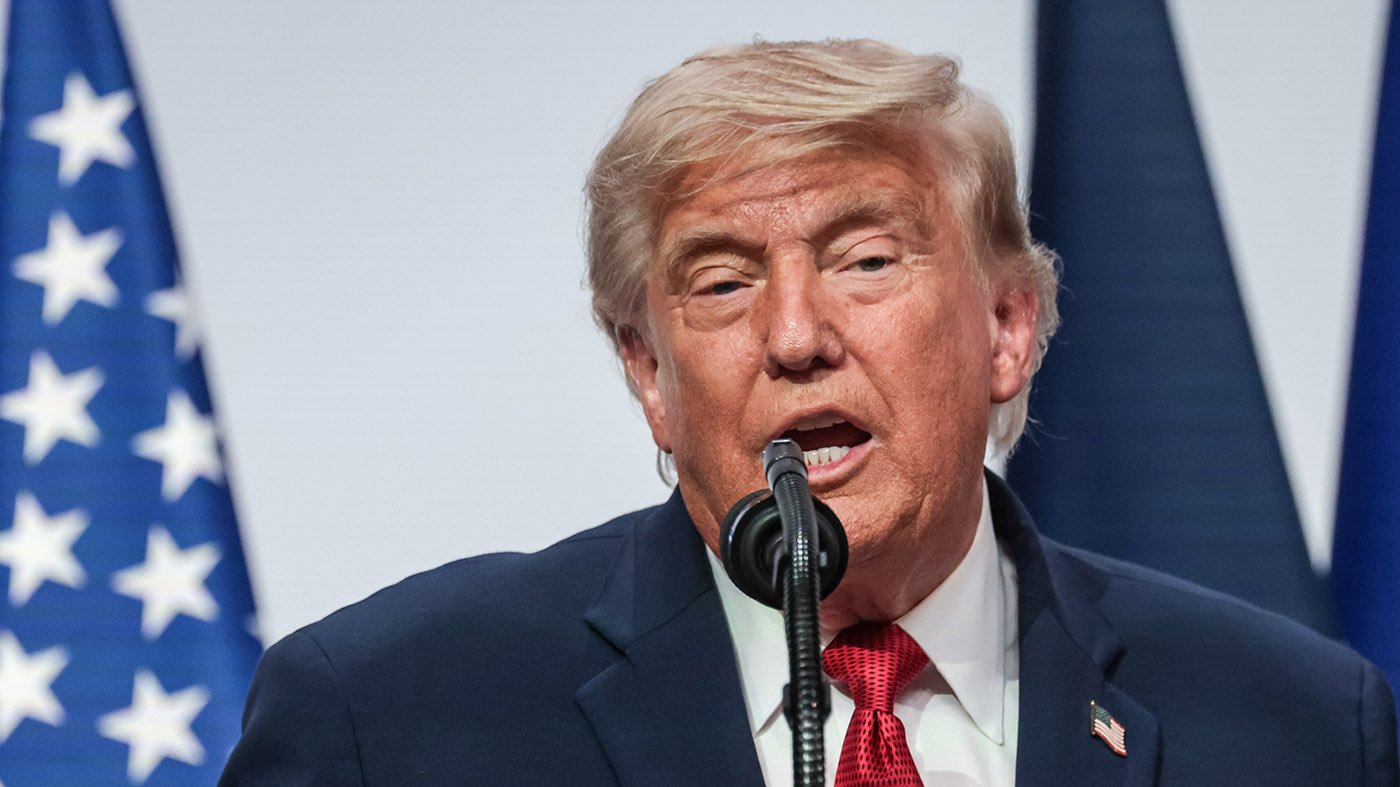
President Trump on Wednesday defended the memorandum of understanding (MOU) that ended the war with Iran, even as he repeatedly framed it as provisional and warned of renewed military action if Tehran fails to comply. Speaking at a press conference from the G7 summit in Évian-les-Bains, France, Trump argued that the preliminary deal was necessary to secure global oil supplies and had the backing of other G7 leaders.
Trump Emphasizes Temporary Nature of the Deal
Trump downplayed the MOU's permanence, stating that it could collapse if Iran does not honor its terms. “If they don’t honor the agreement, or some things aren’t even mentioned in the agreement, it’s a memorandum of understanding, but we have an understanding of certain things without writing it,” Trump told reporters. He added, “If they don’t honor that, we’ll probably go back to bombing them until they honor it. It’s amazing what bombs can do.” These remarks echoed earlier threats to bomb Iran “if they don’t behave.” The president also stressed that the MOU is not final: “No, it’s not final. It’s a memorandum of understanding, and if I don’t like it, we’ll go back to shooting at them, dropping bombs on their head.”
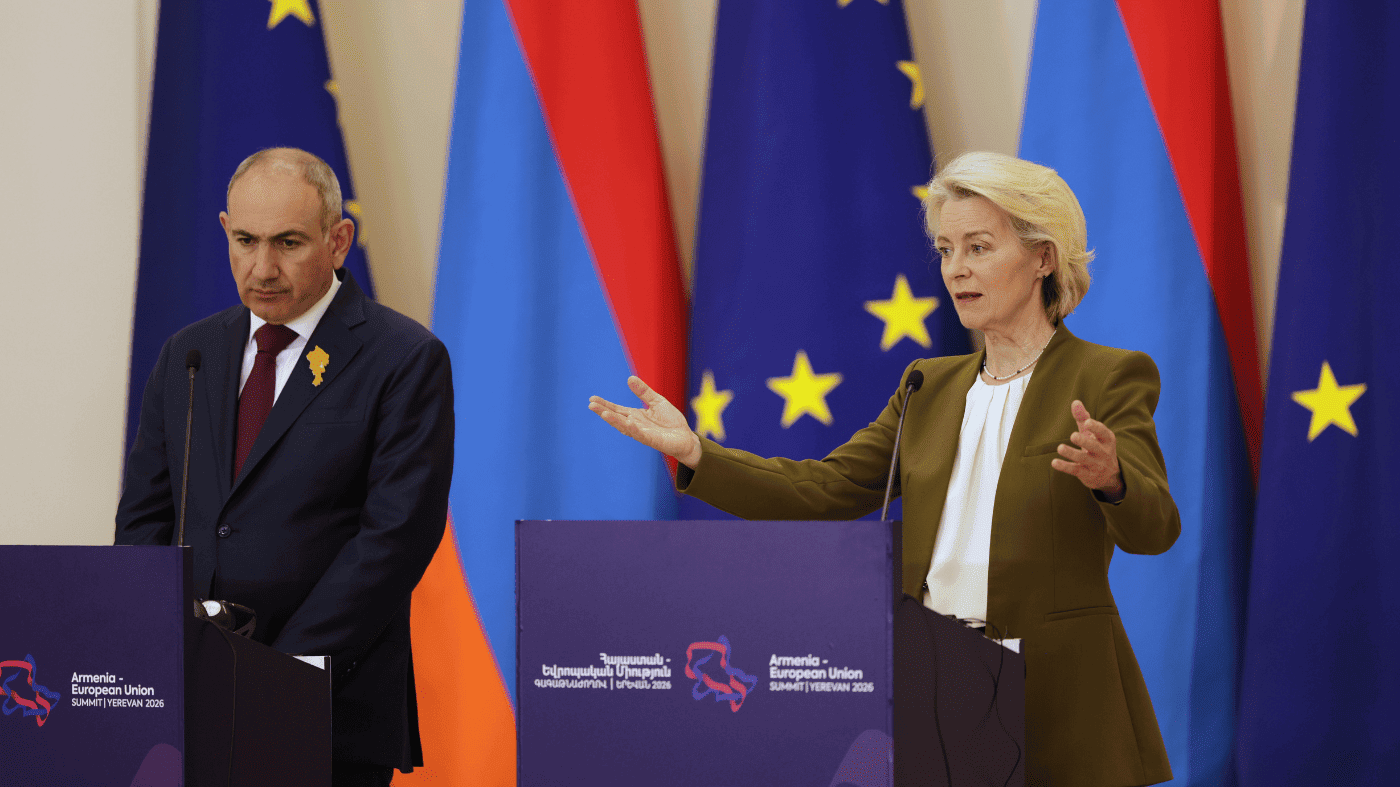
Trump and Vice President JD Vance electronically signed the preliminary deal to reopen the Strait of Hormuz on Sunday. The formal, in-person signing is expected Thursday or Friday.
Touting G7 Support, Dismissing Legal Concerns
Trump took a victory lap as G7 leaders expressed support for the MOU in individual statements and a joint communique. Many welcomed the reopening of the Strait of Hormuz, through which 20% of the world’s oil flows, as energy prices have spiked due to the closure. “They all put out statements saying they love this deal because they want to see it,” Trump said. “And they love the fact that the Hormuz – don’t forget if we were going to drop bombs… could be another three months… what do you have left, maybe nothing? But the Strait would never be opened.”
When asked whether any G7 leaders expressed concern that the U.S. violated international law by launching strikes against Iran, Trump dismissed the question: “No, no, actually the opposite. They felt they [Iran] were very dangerous. They were very relieved because they could get hit too. No, we never discussed that. No, it would be the opposite.” This comes after officials in Germany, Italy, and France had initially criticized the war as a violation of international law.
Trump Defends Letting Iran Keep Missile Arsenal
The president defended allowing Iran to retain its ballistic missiles, arguing that it would be unrealistic to forbid them when rivals like Israel and Saudi Arabia possess similar capabilities. “I mean, they have to have some, because other people have some. You got to have some,” Trump said. He mocked unnamed advisers who suggested otherwise: “‘Sir, you shouldn’t let them have any missile.’ I said, ‘well, what am I going to do? Am I going to let Saudi Arabia have missiles, but they can’t have them?’ ‘Yes, sir.’ Doesn’t work that way, you know, it doesn’t work that way, and missiles aren’t the problem.” Trump added that missiles “hurt a little location, but they don’t blow up the planet.” Iranian leadership had made changes to its missile program a red line during talks, having used the arsenal to strike Israel and U.S. bases in the Persian Gulf.
When pressed on why it is acceptable for Iran to keep some missile capability, Trump responded: “We knocked out probably 84-85 percent of their missiles. The rest of them are underground; they can’t even get them out, you know.”
Trump Highlights Dispute with Netanyahu
During the hour-long press conference, Trump displayed the divergent U.S.-Israeli interests over the Iran war. He was more restrained in criticizing Israeli Prime Minister Benjamin Netanyahu, describing a “dispute” over the threat posed by Hezbollah in Lebanon. Trump advised Netanyahu to hold back strikes against the U.S.-designated terror group if their attacks avoid killing Israelis or causing significant damage. Iran has made a ceasefire in Lebanon a priority, adding another layer to the complex negotiations.
For more on the evolving diplomatic timeline, see Trump Softens 60-Day Iran Deadline, Hints at Longer Negotiations. On the strategic risks, Kelly Warns Trump-Iran Pact Strengthens Tehran, Risks Nuclear Breakout offers a critical perspective. Meanwhile, Trump Declares 'I'm the Boss' at G7 as Iran Deal Steals the Show captures the summit's political theater.