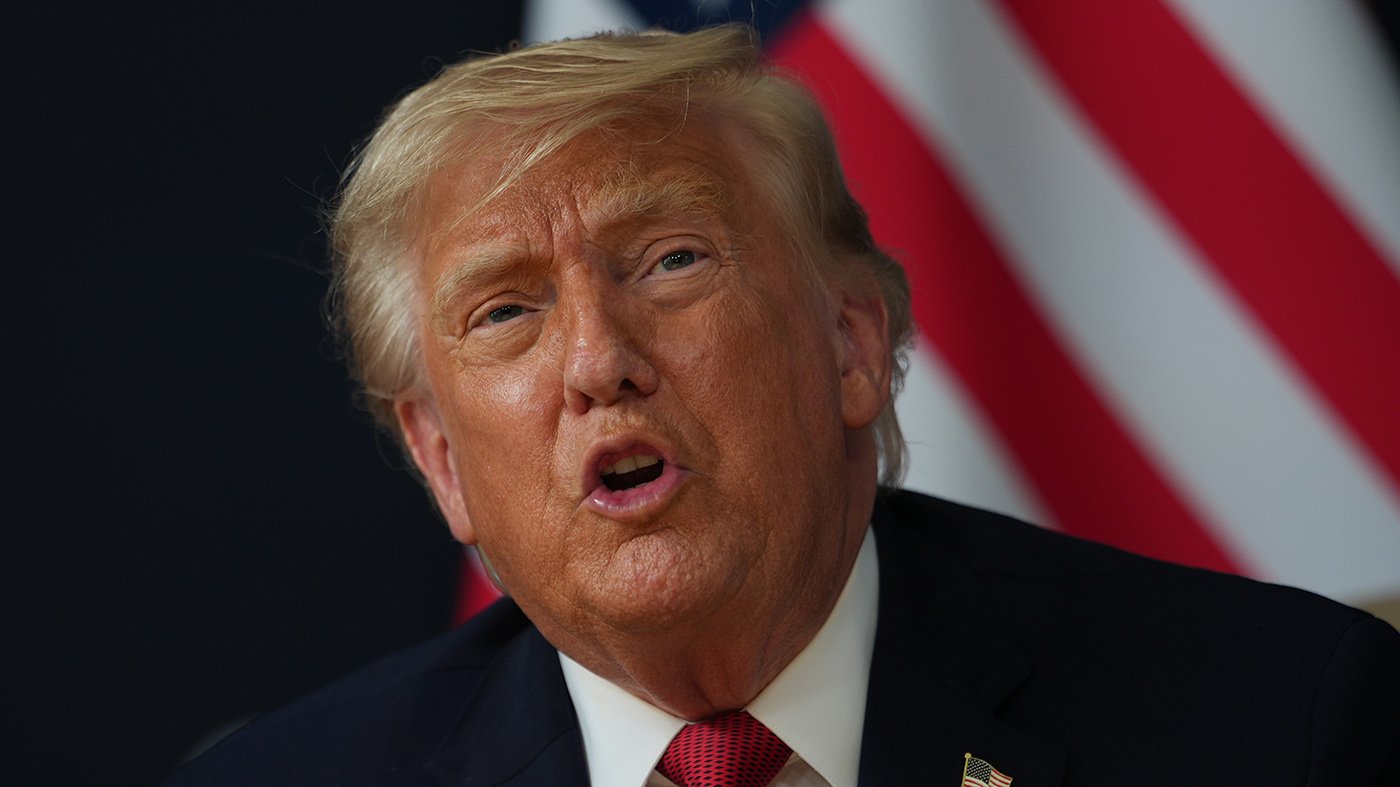
President Trump on Wednesday walked back the 60-day deadline for nuclear talks with Iran, telling reporters in Paris that the timeline is not a firm cutoff for reaching a final agreement. Speaking after the formal signing of a memorandum of understanding, Trump said the process could extend beyond the two-month window if both sides remain engaged.
“No, I don’t. It could take longer,” Trump said when asked whether the 60-day period was a hard deadline. “I don’t view it as hard. Just as long as they’re behaving, I really don’t care that much.”
The president’s remarks came after senior administration officials released the full text of the memorandum, which states that the U.S. and Iran committed “to negotiating and achieving the final deal in a maximum 60 days extended with mutual consent.” The language leaves room for extension, a point Trump seemed eager to emphasize.
Earlier in the day, Trump downplayed the significance of the preliminary agreement, calling it non-binding and warning that he would not hesitate to resume military strikes if Iran fails to comply. “No, it’s not final. It’s a memorandum of understanding, and if I don’t like it, we’ll go back to shooting at them, dropping bombs on their head,” he said. He added, “If they don’t behave, we’ll go back to dropping bombs right smack in the middle of their head,” noting that Iran has “misbehaved for 47 years.”
The deal, as outlined, requires Iran to commit to never building a nuclear weapon—a pledge similar to the Obama-era nuclear agreement that Trump withdrew from in 2018. However, the new memorandum punts on specific commitments regarding Tehran’s nuclear program, such as handing over its stockpile of enriched uranium. Trump told reporters he believes obtaining the nuclear dust is “much less important than not having a nuclear weapon” because it is “very hard to get” and would require “great work and a lot of time.”
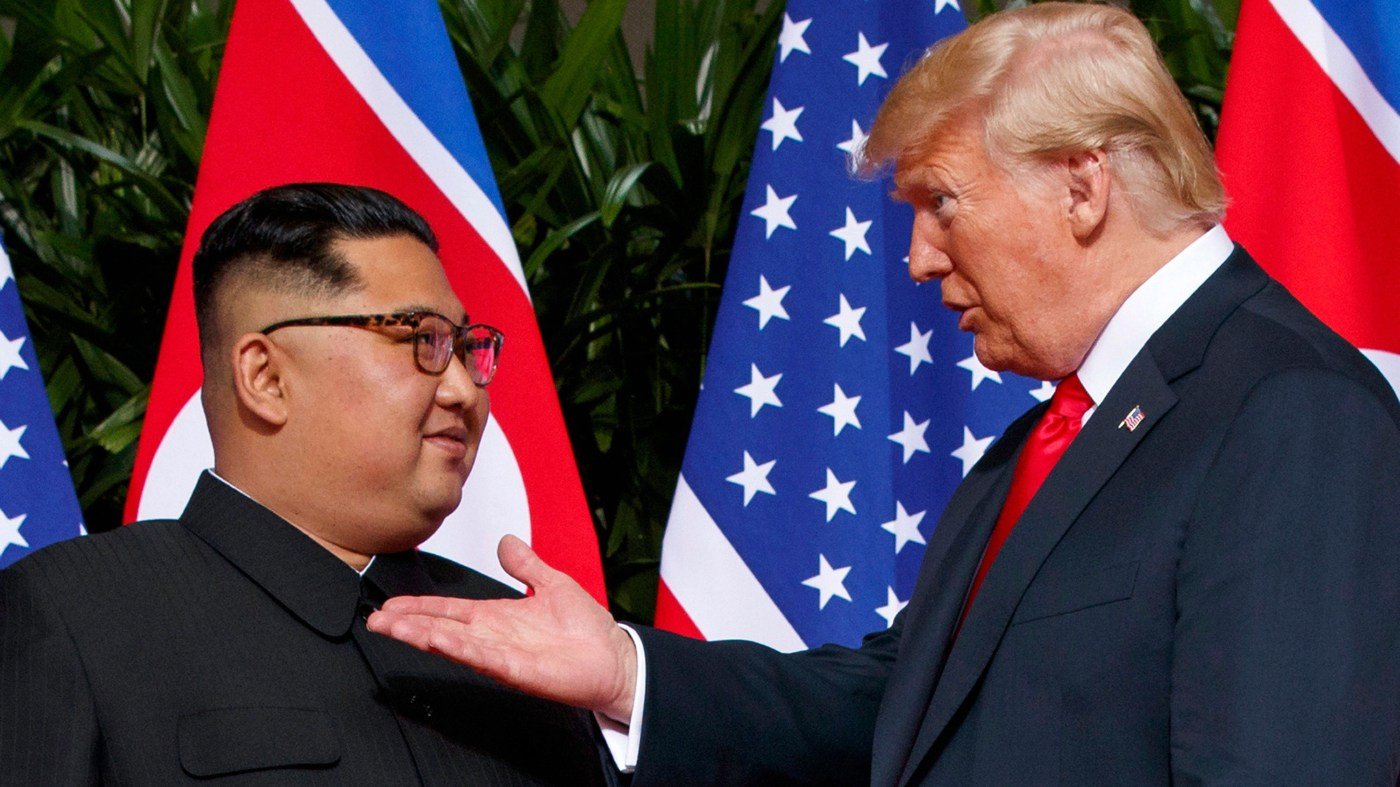
The president’s flexible stance on the timeline aligns with his broader approach to foreign policy, which often prioritizes personal relationships and leverage over strict deadlines. The negotiation process has drawn comparisons to his previous dealings with North Korea, where summits and deadlines were repeatedly adjusted. Critics argue that the lack of a hard deadline could allow Iran to stall, while supporters say it provides room for a more durable agreement.
The preliminary deal has already sparked controversy among U.S. allies and domestic opponents. Israeli Prime Minister Benjamin Netanyahu has voiced concerns, and Trump recently reprimanded Netanyahu over Hezbollah strikes as the Iran deal nears. The administration is also facing scrutiny over other policy moves, such as the reported habeas corpus suspension talks and the $765 million payment to Invenergy to scrap offshore wind projects.
As negotiations proceed, Trump’s comments suggest a willingness to extend talks beyond the initial 60 days, provided Iran continues to negotiate in good faith. The coming weeks will test whether this flexibility leads to a comprehensive agreement or further delays.