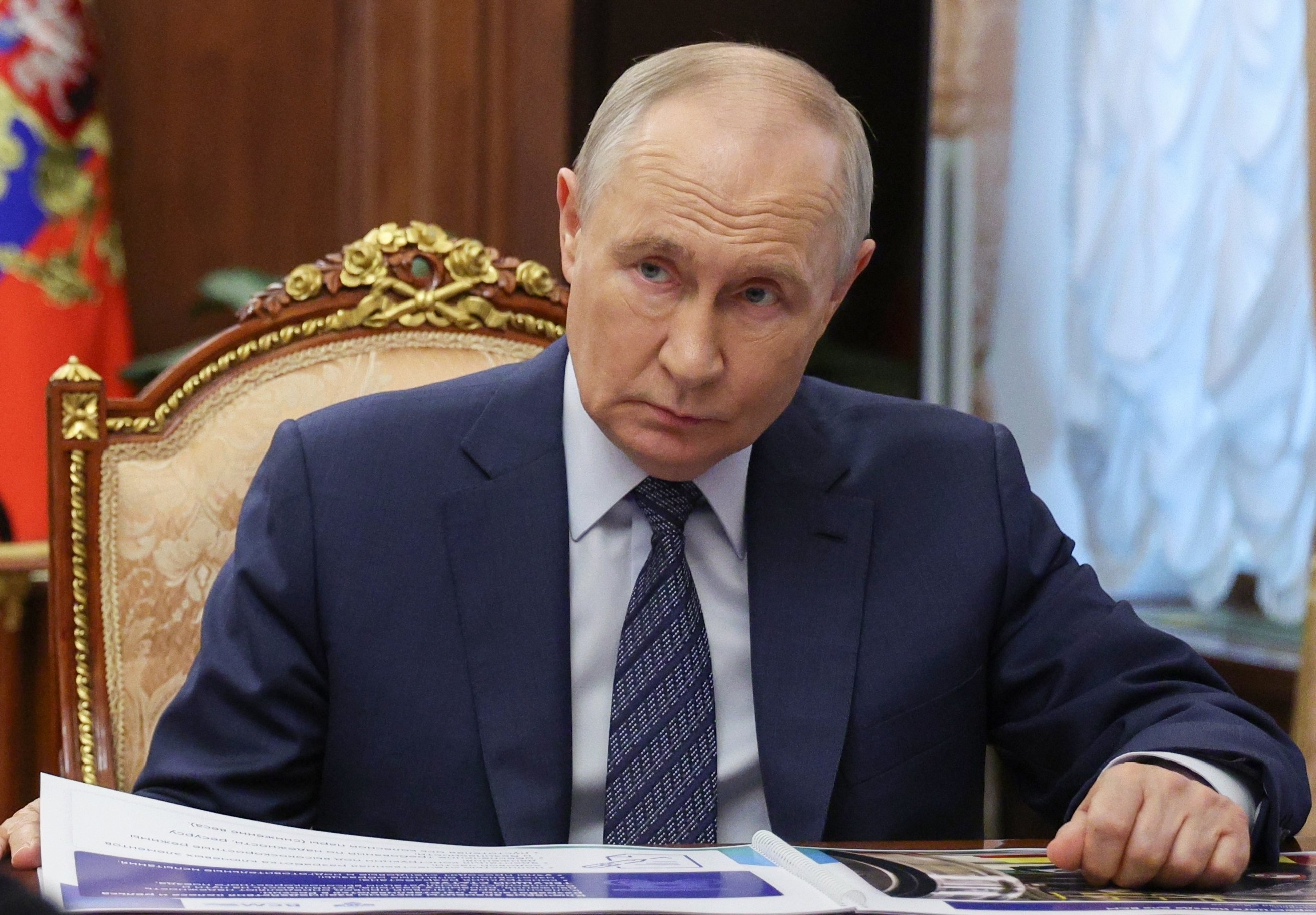
President Vladimir Putin's Russia is rapidly deteriorating, much like the Titanic after hitting an immovable obstacle—in this case, Ukraine. The past weeks have been catastrophic for the Kremlin, its military commanders, and its troops, who are struggling to evade Ukrainian drone attacks on the battlefield.
At the current casualty rate, Russia is on track to surpass 1.4 million losses within two weeks. Ukraine has also nearly completed a siege of the Crimean Peninsula, drawing comparisons to George Washington's decisive victory at Yorktown in 1781. Retired U.S. Army Gen. David H. Petraeus recently noted that Ukraine might isolate both the front lines and Crimea, calling it 'hugely impressive.'
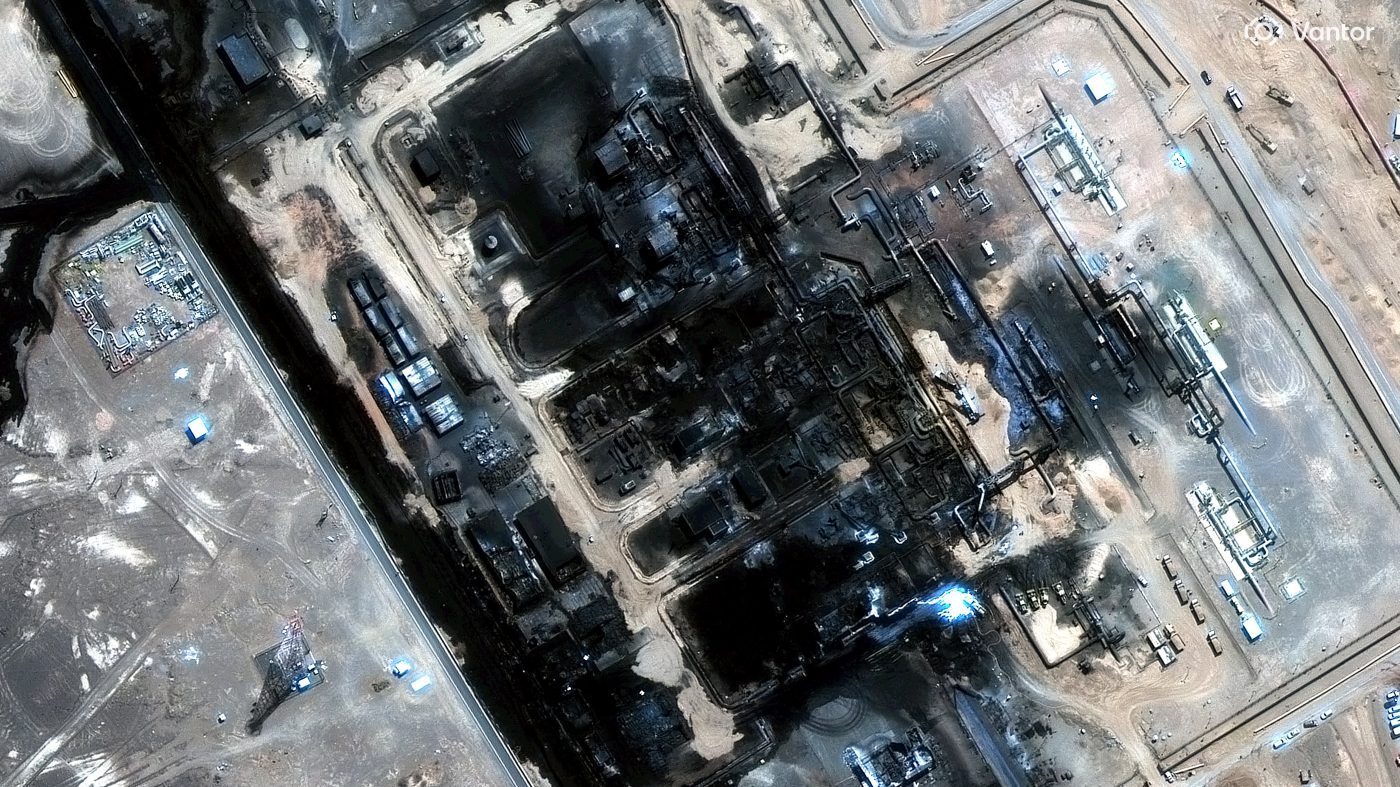
The most humiliating blow came when Ukrainian drones struck Saint Petersburg's oil terminal and the Kronstadt naval base during the 2026 Saint Petersburg International Economic Forum—Putin's own backyard. President Volodymyr Zelensky followed up with an open letter on June 4, proposing an immediate ceasefire and a face-to-face meeting in a third country. Putin rejected the offer. Zelensky's letter bluntly detailed Putin's failures and warned, 'When Russia grows tired, change comes.'
On Tuesday, Ukrainian drones again pierced Russian airspace, hitting the Gazprom Neft-operated oil refinery in Moscow. Zelensky called it a 'just response' to Russian strikes on civilian targets, including the Pechersk Lavra monastery, a nearly 1,000-year-old UNESCO World Heritage site in Kyiv. He posted on X that 'The Moscow region felt the reach of Ukraine's long-range capabilities,' bringing the war directly to Russian citizens.
The ripple effects are also reaching Belarus. President Alexander Lukashenko, who owes his political survival to Putin, is now hedging his bets. While he has stated that Belarusian troops won't become 'cannon fodder for Putin's war,' he also acknowledged that his country is 'very vulnerable militarily' and that key infrastructure would be targeted. He even apologized for past remarks about Zelensky, saying, 'Perhaps I overdid it here and there.'
Lukashenko's shift underscores a growing perception that Putin is losing control. Putin's track record of abandoning allies—in Syria, Venezuela, and Iran—suggests loyalty flows only upward. This likely explains why Lukashenko ruled out sending troops to Ukraine and ruled out fighting Poland, Lithuania, or Ukraine.
As battlefield failures mount, Putin has resorted to nuclear saber-rattling and launching missiles and drones against civilian areas in Ukraine—hospitals, schools, and markets—amounting to war crimes. But he can no longer defend his own skies or protect his allies. Once a symbol of strength, he now appears as a grandfather hiding in his bunker.
For more on how Putin's war is deepening Russia's economic and strategic subordination to China, read our analysis. Meanwhile, Zelensky's bid for direct talks was rejected, as reported in this update.