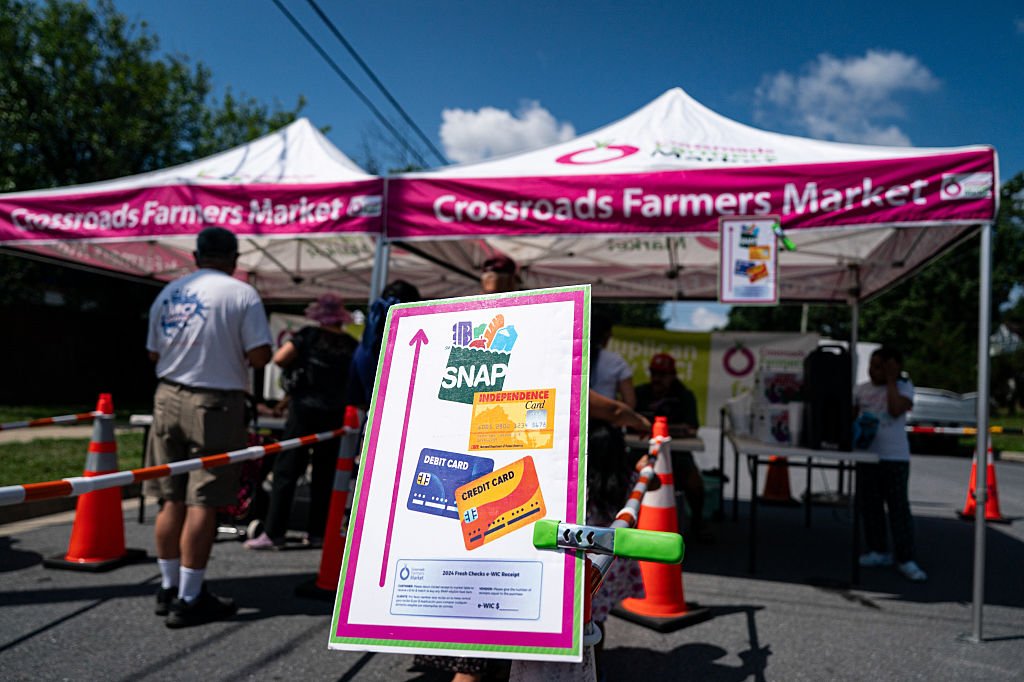
Lawmakers have introduced a new bill that could put an extra $60 a month into the grocery budgets of millions of American families, specifically earmarked for fresh produce. The proposed legislation, dubbed the "Fresh Bucks for Fresh Produce" Act, aims to expand access to healthy food for both low-income and moderate-income households.
The bill, introduced in July, would create a pilot program through which the federal government awards grants to states. These grants would allow states to distribute the additional grocery assistance directly to qualifying residents. The program is designed to supplement existing nutrition assistance and to reach families who may not currently qualify for federal food aid.

Under the proposal, households earning at or below 80% of their area's median income would be eligible for the benefit. This income threshold is notably higher than the standard for many federal assistance programs, meaning some middle-class families who typically fall outside the safety net could qualify. For context, middle-class incomes have been shrinking in most states as inflation erodes purchasing power, making such targeted support increasingly relevant.
Current SNAP recipients would automatically qualify for the additional $60, which would be loaded onto their existing EBT cards. However, the program is not limited to SNAP participants. Non-SNAP households that meet the income criteria could also apply and, if approved, would receive a new EBT card specifically for this benefit.
The funds are strictly for the purchase of fruits and vegetables, which can be fresh, frozen, or dried. This restriction is intended to encourage healthier eating habits and to support the produce industry, which has faced consumer confidence challenges in recent months. Notably, a significant share of Americans have reduced their produce consumption due to safety concerns, a trend this bill could help counter.
While the bill has bipartisan cosponsors, it faces an uncertain path through Congress. Supporters argue that the pilot program is a cost-effective way to improve public health and reduce diet-related chronic diseases. Critics, however, question the need for a new federal program when existing nutrition assistance already covers many of these costs.
If enacted, the program would be among the first federal initiatives to explicitly target moderate-income families for food assistance. It reflects a growing recognition that food insecurity is not limited to the poorest Americans, especially as healthcare costs and drug prices continue to rise, squeezing household budgets.
The bill also aligns with broader policy debates about the role of government in addressing food access and nutrition. For now, the proposal is in its early stages, and no timeline for a vote has been announced. Advocates are hopeful that the pilot program could pave the way for a permanent expansion of produce assistance, should it prove successful.