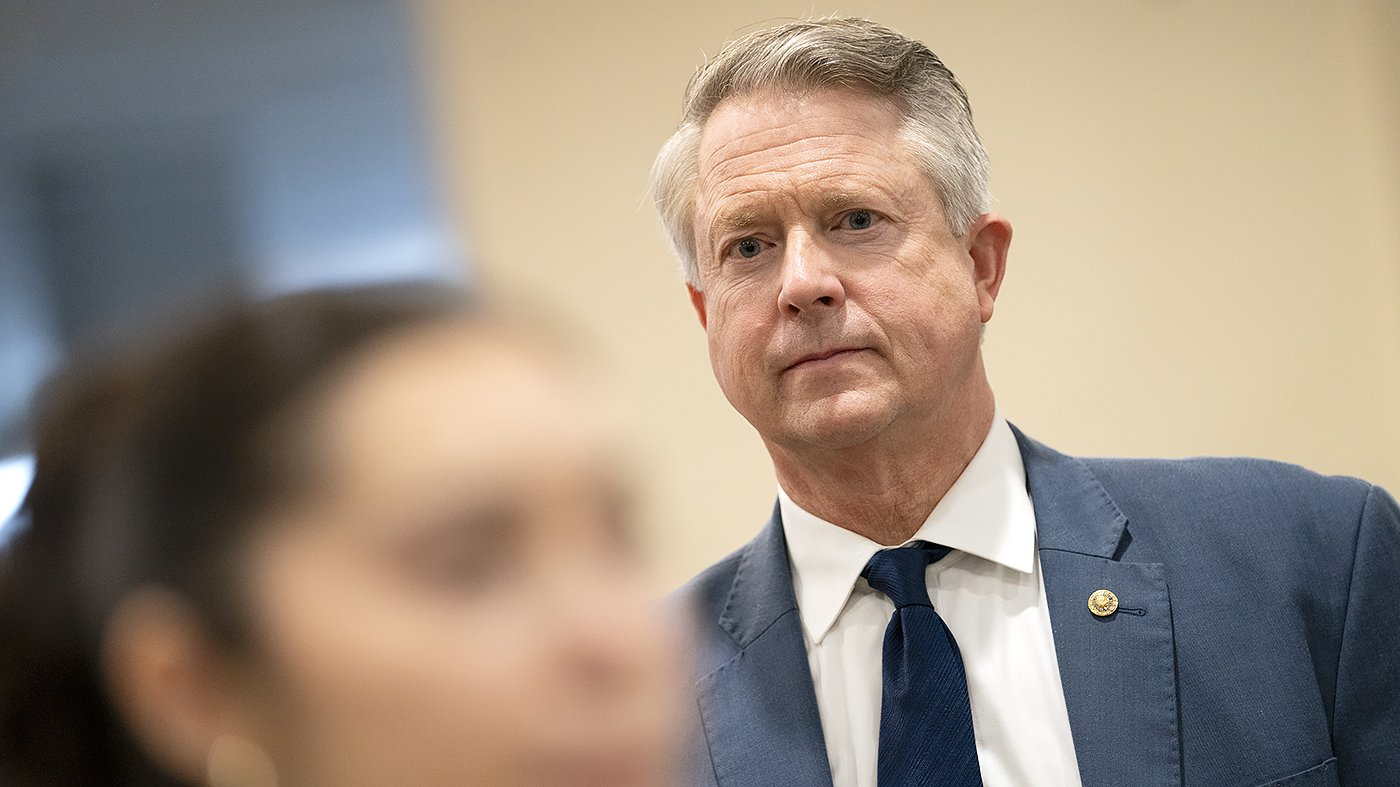
Sen. Roger Marshall (R-Kan.) waded into the controversy over the U.S.-Iran memorandum of understanding (MOU) on Wednesday, asserting that Tehran should be allowed to retain its ballistic missiles for self-defense. The remarks put the Kansas Republican at odds with many of his colleagues, as the MOU's text sparked bipartisan backlash for reportedly granting Iran leeway to keep its missile capabilities while agreeing to forgo nuclear weapons development.
Appearing on CNN's “The Source with Kaitlan Collins,” Marshall acknowledged he does not want Iran to possess long-range or nuclear-armed missiles but argued that demanding full disarmament is unrealistic. “I certainly don’t want them to have long-distance missiles. I don’t want them to have nuclear-armed missiles. I would prefer they didn’t, but I don’t think that’s the key issue here,” he said. “I think that they have to be able to defend themselves, and I just kinda come back to the big picture here, which is the Middle East countries like this agreement.”
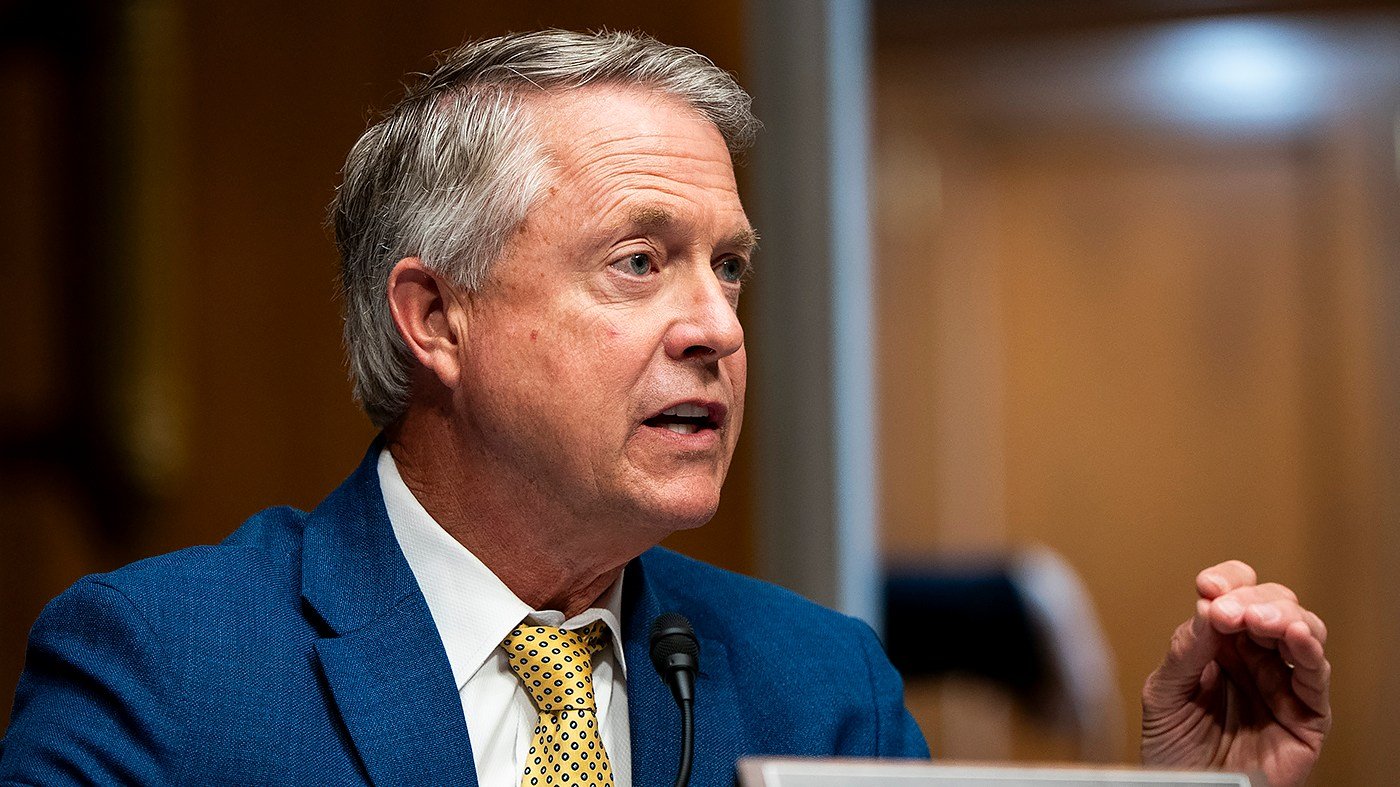
The MOU, which was released Wednesday, has drawn sharp criticism from both Democrats and Republicans. Critics argue it strengthens Iran's influence over the Strait of Hormuz—a vital chokepoint for global oil shipments—while solidifying Tehran's ability to maintain its missile arsenal. Marshall, however, framed the deal as a necessary compromise to avoid a prolonged military conflict. “You’re never gonna get them, short of boots on the ground, surrendering everything—an unconditional agreement, if you will,” he told Collins. “But again, what I’m getting at here is this agreement has the support of all—most of the countries in the Middle East, and I think that’s gonna give it more of a long-lasting relationship, a long-lasting success as well.”
President Trump also addressed the missile issue Wednesday at the Group of Seven summit in France, downplaying concerns. “Am I going to let Saudi Arabia have missiles, but they can’t have them? … Doesn’t work that way, you know, it doesn’t work that way, and missiles aren’t the problem,” he said. “Missiles, they hurt a little location, but they don’t blow up the planet.” Trump's stance aligns with Marshall's view that the MOU has regional backing, though Trump has also described the deal as provisional and threatened renewed bombing if Iran violates terms.
According to the Center for Strategic and International Studies, Iran possesses the largest and most diverse missile arsenal in the Middle East, with thousands of ballistic and cruise missiles capable of striking targets as far as Israel and eastern Europe. The MOU does not require Iran to dismantle these systems, a point that has fueled opposition among lawmakers who see it as a security risk. The deal has already faced a Republican revolt over its secrecy and potential nuclear loopholes.
Marshall insisted that without granting Iran permission to keep its missiles, the U.S. risks a “forever war.” He emphasized that the agreement's broad support among Middle Eastern nations—including Pakistan, Qatar, and Egypt, which helped mediate the ceasefire extension—gives it staying power. Those countries had urged a slower rollout of the text detailing the terms, but the MOU was released nonetheless, triggering a firestorm on Capitol Hill.
The debate underscores a deepening divide within the GOP over how to handle Iran's military capabilities. While some Republicans demand a harder line, Marshall's comments suggest a pragmatic faction is willing to accept a deal that trades missile retention for nuclear nonproliferation and regional stability. Trump's defense of Iran keeping its missiles has further complicated the party's position, as the president himself has signaled flexibility on the issue.