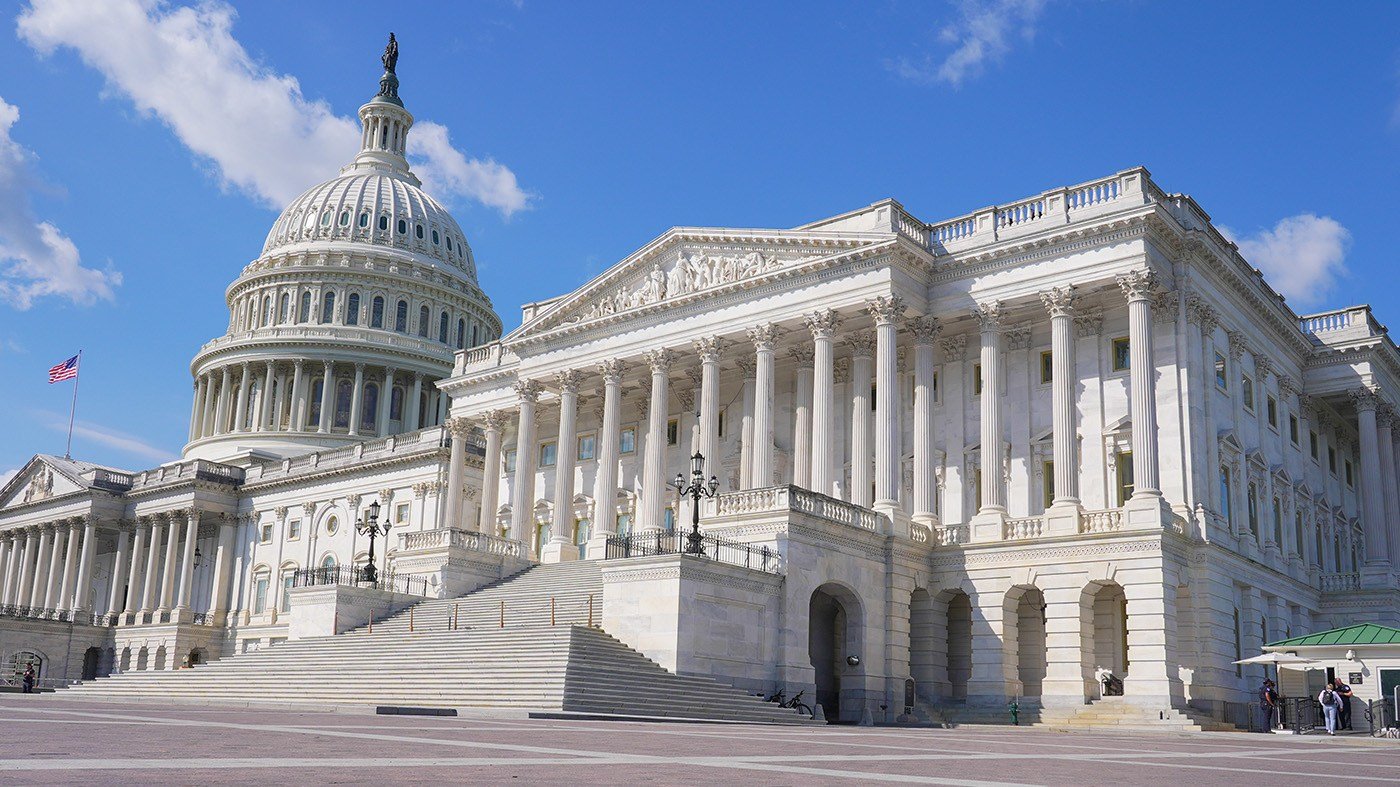
As Congress weighs the future of the nation's clocks, a new analysis highlights a stark consequence of choosing permanent standard time: the near-total disappearance of summer evenings with sunlight past 8 p.m. Under the current system, most Americans enjoy late sunsets from March to November, but a shift to year-round standard time would push darkness earlier, a change that could reshape evening routines and outdoor activities.
The debate over time observation has intensified following the House's passage of the Sunshine Protection Act, which would make daylight saving time permanent for states that do not opt out. That bill, if enacted, would eliminate the November "fall back" and keep clocks set an hour ahead year-round. While summers would remain unchanged under that proposal, winters would bring notably later sunrises—in some regions, after 8 a.m.—a factor that has historically fueled public opposition.
Proponents of permanent standard time argue that earlier sunrises in winter would align better with human circadian rhythms and reduce morning darkness, which they say is a safety hazard for schoolchildren and commuters. However, the new analysis underscores the trade-off: the loss of long, bright summer evenings that many Americans cherish. Cities like New York, Chicago, and Seattle would see their latest summer sunsets shift from around 8:30 p.m. to 7:30 p.m. or earlier, dramatically shortening the window for post-dinner outdoor recreation.
The political divide on this issue is not new. In the 1970s, the U.S. experimented with year-round daylight saving time, but the experiment was cut short after public complaints about dark winter mornings, particularly in northern states. That history looms over the current legislative push, with some lawmakers wary of repeating the mistake. "We've been down this road before," noted one congressional aide familiar with the debate. "The public may like the idea of more evening light in summer, but they quickly turn against it when they're scraping ice off windshields in the dark."
Supporters of permanent standard time, including several health organizations, argue that aligning clocks with solar time is more natural and could improve sleep and overall well-being. They point to studies linking daylight saving time to increased heart attacks and traffic accidents in the days after the spring transition. "Standard time is the better choice for our health," said Dr. Sarah Johnson, a sleep researcher. "The question is whether we can accept the earlier sunsets in summer."
The legislative path forward remains uncertain. The Sunshine Protection Act passed the Senate last year but has stalled in the House, where a bipartisan group of lawmakers has introduced an alternative bill that would make standard time permanent. That bill, known as the Standard Time Act, has gained traction among those who prioritize morning light. Yet, as the new analysis shows, the trade-off is significant: under permanent standard time, the sun would set before 8 p.m. in nearly all of the contiguous U.S. by late June, with only a few far-northern locations retaining later sunsets.
Public opinion on the issue is divided along regional and political lines. A recent poll found that while a majority of Americans favor ending the biannual clock changes, they are split on which time to adopt. In the Northeast and Midwest, where winter mornings are already dark, support for permanent standard time is higher. In the South and West, where evenings are warmer, permanent daylight saving time is more popular. This geographic split complicates any national solution, leading some to suggest that states should be allowed to choose their own time observation, a patchwork approach that could create confusion for commerce and travel.
As the debate continues, the analysis serves as a reminder that the choice is not merely about convenience but about how Americans structure their daily lives. Whether the nation opts for brighter winter mornings or longer summer evenings, the decision will have lasting impacts on everything from school schedules to energy consumption. For now, the clock is ticking on Congress to decide.