The Supreme Court delivered a unanimous decision Thursday that blocks the federal government from criminally prosecuting a man for owning a firearm simply because he regularly uses marijuana, marking a significant win for Second Amendment advocates and drug policy reformers alike.
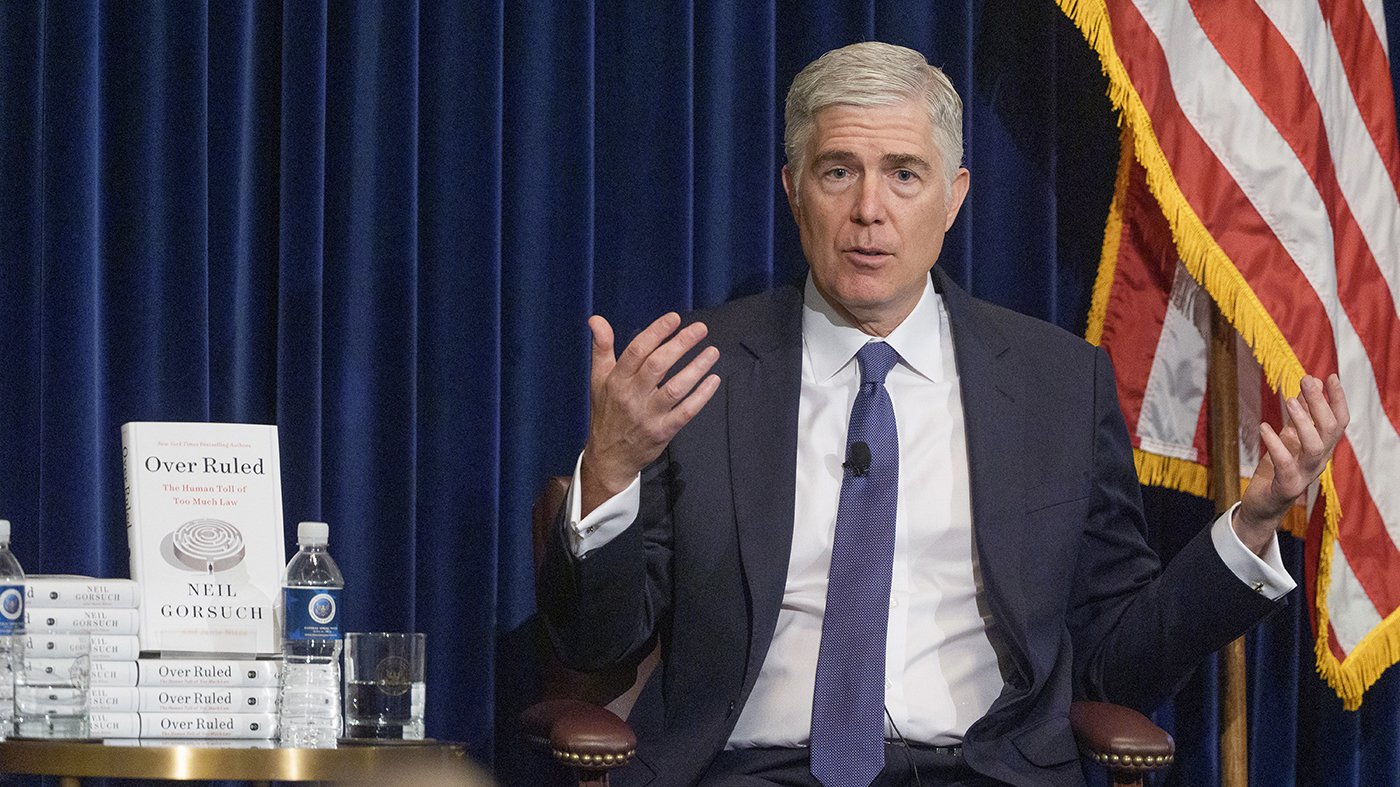
Justice Neil Gorsuch, writing for the court, applied the conservative majority's expanded Second Amendment test—first established in the 2022 New York State Rifle & Pistol Association v. Bruen ruling—to strike down the application of a federal law that criminalizes gun possession by any "unlawful user of or addicted to any controlled substance." The decision effectively raises the bar for future prosecutions under that statute.
"To square that expansive theory with the Second Amendment, the government invites us to draw an analogy between its present regulation and historical laws addressing habitual drunkards," Gorsuch wrote. "Those laws, the government contends, demonstrate a tradition of firearm regulation consistent with its effort to disarm any regular user of any controlled substance without any further showing. But the government's analogy fails under every measure it asks us to consider."
The case centered on Ali Hemani, a dual U.S.-Pakistani citizen who was indicted after law enforcement searched his home and found a Glock 9mm pistol alongside marijuana and cocaine. The gun charge relied solely on his marijuana use, and the government did not claim Hemani was under the influence at the time of the search, though he admitted to smoking every other day.
Hemani's argument echoed that of other defendants charged under the same statute, including Hunter Biden before he received a pardon from his father, President Joe Biden. They contended that the Bruen decision—which requires gun control measures to have a clear historical analogue—rendered the federal law unconstitutional as applied to them.
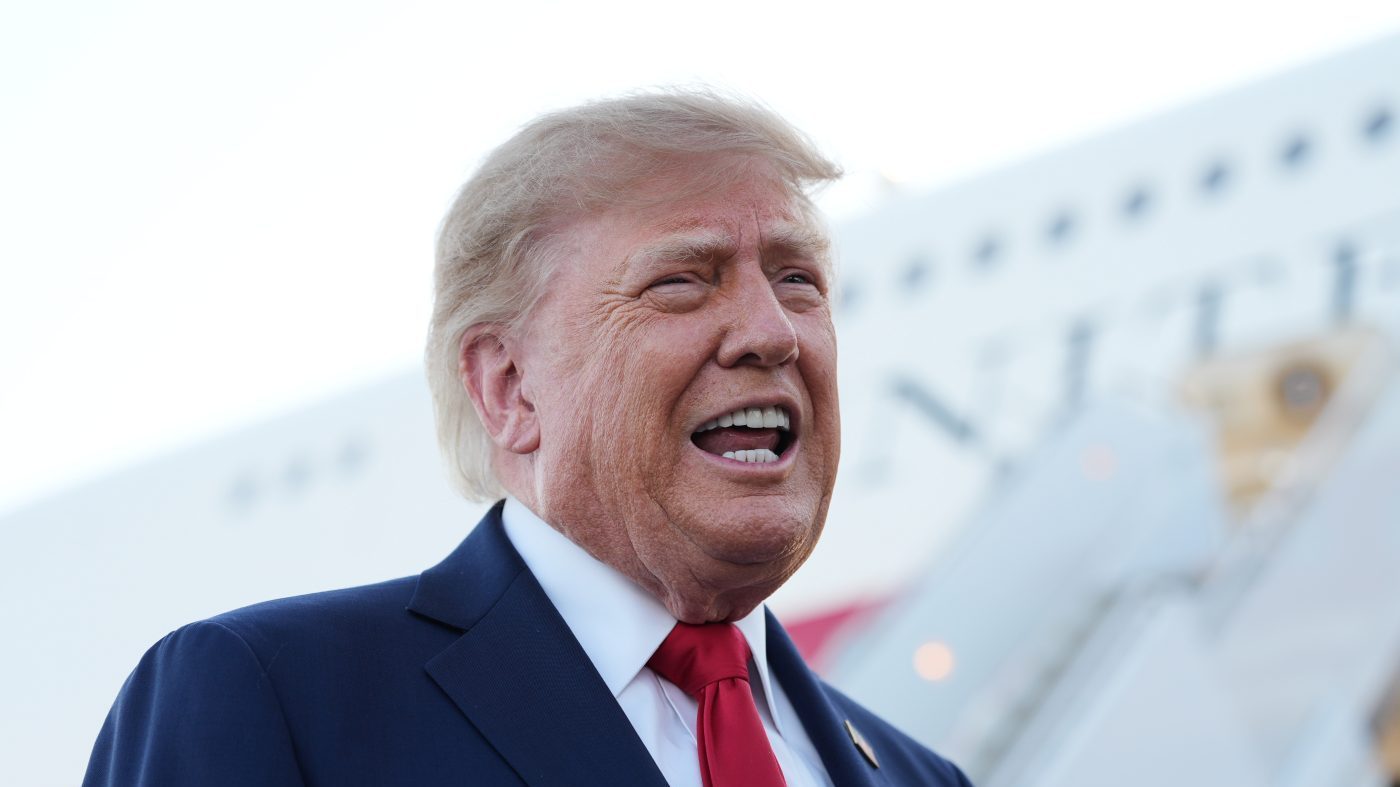
The Trump administration defended the law by pointing to founding-era restrictions on habitual drunkards, but Gorsuch found those historical laws insufficiently analogous. "The historical laws on which it relies targeted different kinds of people, did so for different reasons, and operated in different ways," he wrote. "And faced with all these shortcomings in the government's submission, we cannot say it has carried its conceded burden of showing its prosecution of Mr. Hemani complies with the Second Amendment."
The decision does not completely bar prosecutions under the statute. The government can still convict if it proves a defendant was actively using illegal drugs at the time of possession. Additionally, the Justice Department emphasized that the attorney general has the authority to restore an individual's gun rights on a case-by-case basis, leaving a potential administrative path for some defendants.
This ruling arrives amid a broader legal landscape where the Supreme Court continues to reshape gun policy. In a separate case, the Court declined to hear a challenge to New York's gun industry liability law, allowing states to impose stricter regulations on firearm manufacturers. Meanwhile, the Court's upcoming June docket includes high-stakes decisions on birthright citizenship, presidential firing power, and transgender bans—issues that could further define the Trump administration's agenda.
The unanimous nature of Thursday's decision underscores a rare moment of bipartisan agreement on the bench, even as the justices remain deeply divided on other Second Amendment questions. For now, the ruling provides a clear precedent: the government cannot disarm individuals based solely on their status as regular marijuana users without a more specific historical justification.