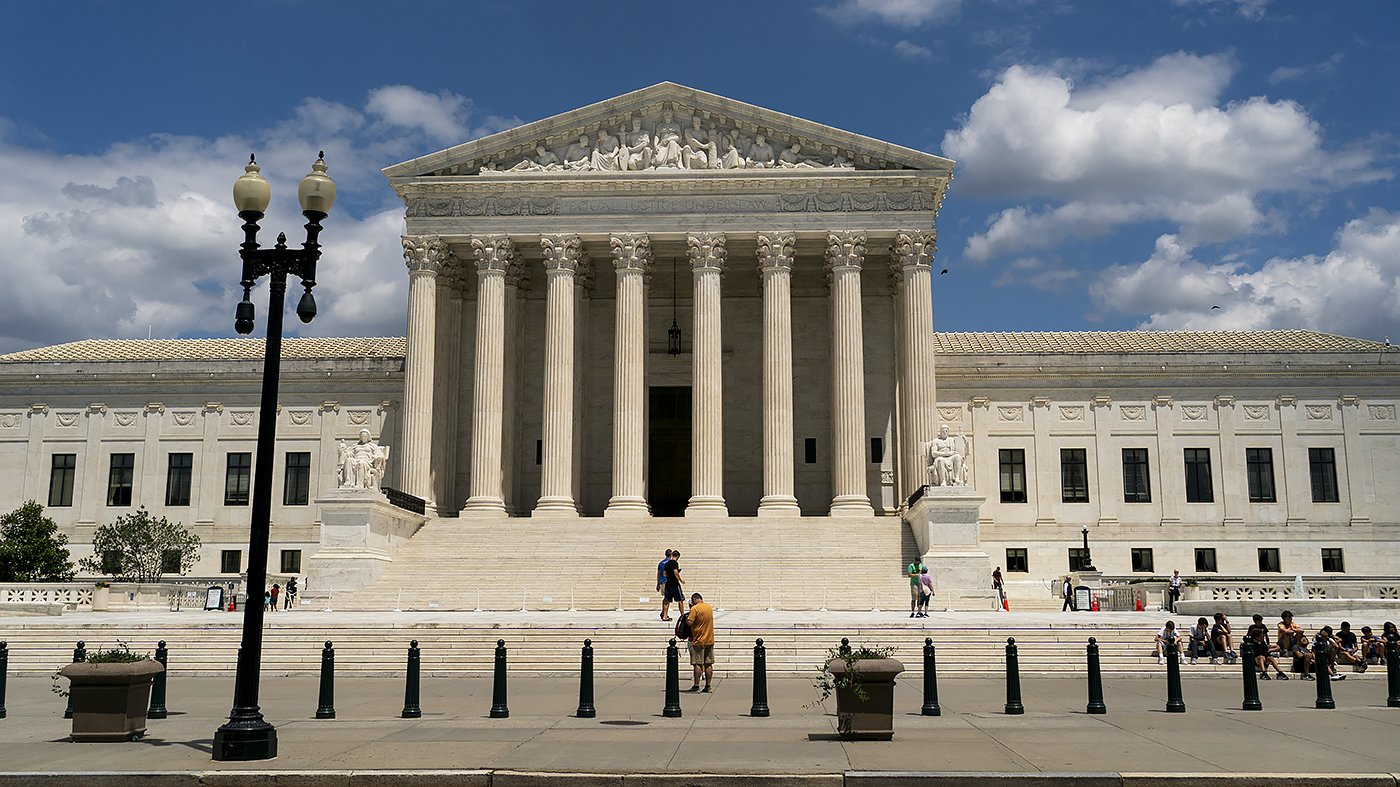
The Supreme Court on Monday declined to take up a challenge from the gun industry against a New York statute that enables lawsuits against firearm manufacturers and dealers for damages stemming from the criminal or unlawful use of their products. The decision leaves in place a lower court ruling that upheld the 2021 law, dealing a setback to industry efforts to shield themselves from liability.
The National Shooting Sports Foundation (NSSF), along with major gun makers including Smith & Wesson, Ruger, Beretta, Glock, Sig Sauer, and Sturm, had sought to overturn the law, arguing it effectively nullifies the federal Protection of Lawful Commerce in Arms Act (PLCAA) of 2005. That federal law grants broad immunity to the gun industry from most civil lawsuits when their products are used illegally by third parties.
“NSSF sincerely believes that those criminals who illegally misuse lawful products should be held responsible for the harms they cause when they commit their crimes,” Mark Oliva, an NSSF spokesperson, said in a statement. He compared holding gun makers responsible to “holding Ford Motor Company responsible for damages from drunk-driving crimes.”
New York Attorney General Letitia James countered that the PLCAA does not provide blanket immunity and that gun industry members can be held liable for “downstream acts of third parties in some circumstances.” Her office argued the state law fits within exceptions to the federal immunity, particularly when companies engage in conduct that violates state statutes.
Democratic State Senator Zellnor Myrie, who authored the New York law signed by former Governor Andrew Cuomo, defended the measure as a necessary tool for public safety. “New York has an obligation to protect the health and safety of every resident, and any industry—including members of the gun industry—impacting New Yorkers has to take reasonable steps to do the same,” Myrie said Monday.
Republican Representatives Claudia Tenney and Nick Langworthy, both of New York, filed a brief supporting the gun manufacturers, arguing the state law undermines federal protections and could chill lawful commerce. Their intervention highlights the partisan divide over gun liability, a flashpoint in the broader debate on firearm regulation.
The Supreme Court’s refusal to hear the case comes amid a busy term where it has weighed major issues, including cases that could reshape executive power and social policy. The decision also follows other recent high-profile rejections of appeals, such as the Court's dismissal of Carter Page’s lawsuit against James Comey.
Legal experts say the ruling could embolden other states to enact similar liability laws, potentially increasing pressure on the gun industry to adopt stricter distribution and marketing practices. The NSSF and its allies have vowed to continue fighting the New York statute through other legal avenues.
The case represents a key test of how far states can go in holding the gun industry accountable for gun violence, a question that remains politically charged as Congress debates federal firearm legislation. With the high court’s decision not to intervene, the New York law stands—at least for now—as a model for state-level efforts to regulate the industry.