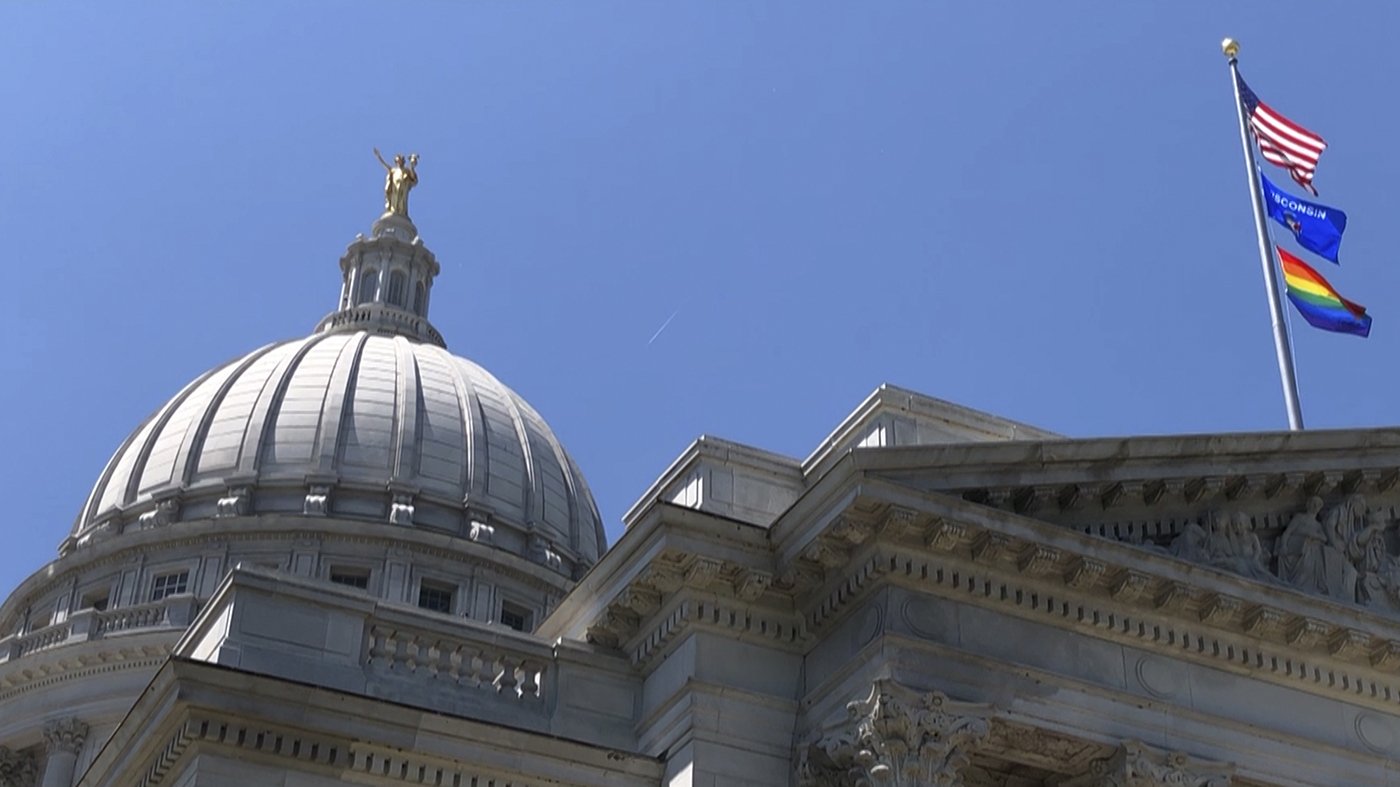
A Dane County Circuit judge on Wednesday blocked Wisconsin voters from requesting new absentee ballots in the Democratic primary for governor, following a chaotic final stretch where multiple candidates suspended or reentered the race. Judge David Conway's ruling dismissed a lawsuit brought by the state Democratic Party against the Wisconsin Elections Commission (WEC) that sought to allow voters to recast their ballots due to the shifting field.
Conway wrote that "the unambiguous language of the statute does not allow a voter to spoil an absentee ballot after it is returned," effectively ending the party's effort to give voters a second chance. The decision came after the WEC had issued guidance on the possibility of issuing new ballots, but the judge found no legal basis for such a move.
The race to succeed outgoing Governor Tony Evers has been marked by a series of late-stage changes. Former Wisconsin Economic Development Corporation CEO Missy Hughes ended her campaign in early July, prompting the WEC to preemptively block revoting if a candidate dropped out. Then, on July 17, Lieutenant Governor Sara Rodriguez exited the race citing "serious mismanagement and inaccuracies" in her finance filings. The next day, Milwaukee County Executive David Crowley reversed his earlier withdrawal and reentered the contest with Evers' backing.
On Thursday, former Lieutenant Governor Mandela Barnes also dropped out, posting on social media platform X that "it's become very clear who our nominee is going to be." His exit, along with Hughes and Rodriguez, means that all three names will still appear on the ballot, even though they are no longer active candidates. More than 117,000 absentee ballots have already been mailed out, and the primary is scheduled for August 11.
The remaining active candidates are Milwaukee County Executive David Crowley, former Milwaukee mayoral chief of staff Joel Brennan, state Representative Francesca Hong, and state Senator Kelda Roys. Hong, a democratic socialist, holds a strong lead in recent polling, with one survey showing her 22 points ahead of the field. The ruling ensures that voters who already cast ballots will not be able to change their vote, potentially benefiting Hong as the frontrunner.
The Democratic Party's lawsuit had argued that the rapid candidate changes confused voters and that allowing recast ballots would ensure a fair election. But Conway's strict reading of the law prevailed, leaving the party to focus on mobilizing its base for the August primary. The decision also highlights broader tensions over election administration in Wisconsin, a key battleground state.
Political analysts note that the ruling could dampen turnout among Democrats who might have wanted to vote for a candidate who is no longer running. However, with Hong's strong lead, the practical impact may be limited. The primary outcome will set the stage for the general election, where the Democratic nominee will face the winner of a crowded Republican field.