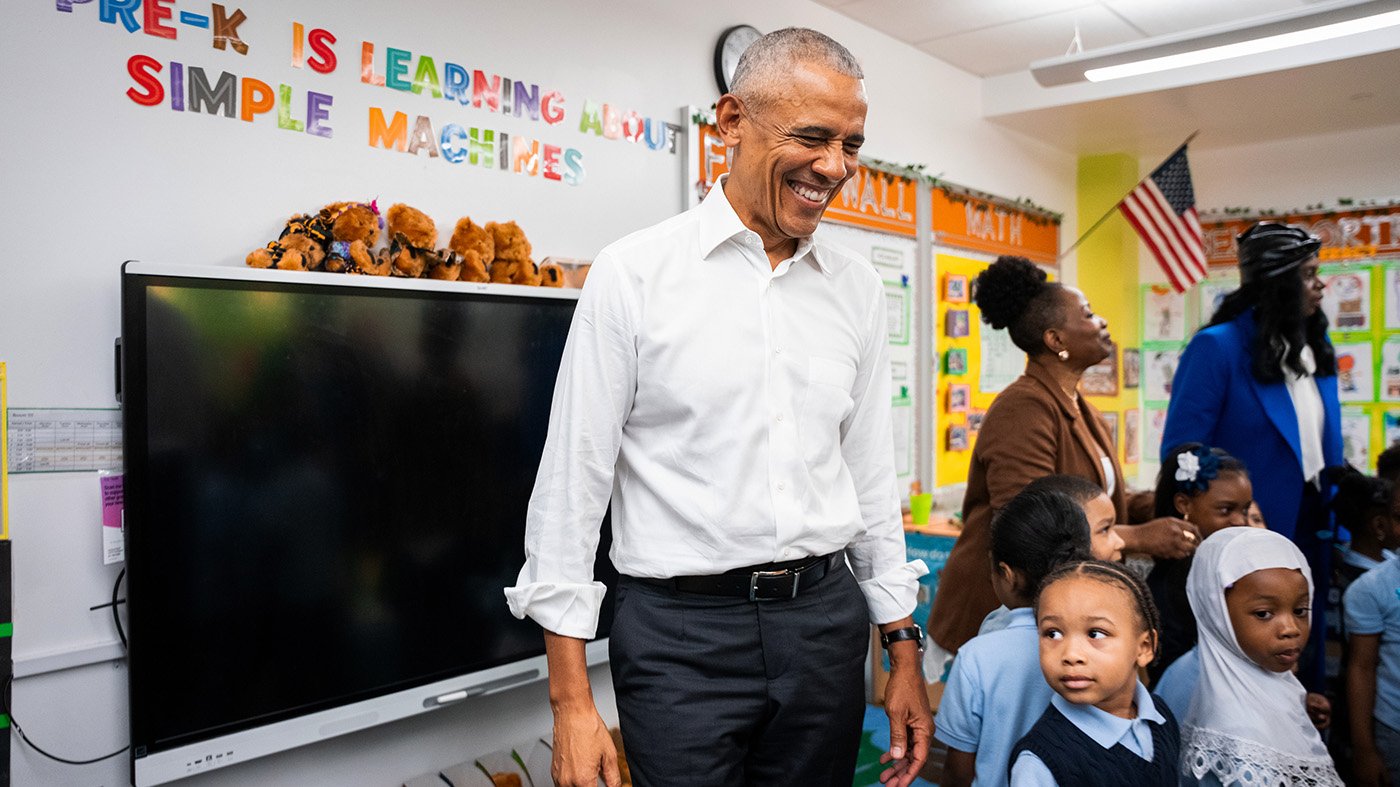
A fresh CNN poll released Thursday reveals that former President Barack Obama enjoys significantly higher favorability among Americans than either President Donald Trump or former President Joe Biden. The survey underscores Obama's enduring popularity as the most well-regarded living president, a status that has held steady since he left office.
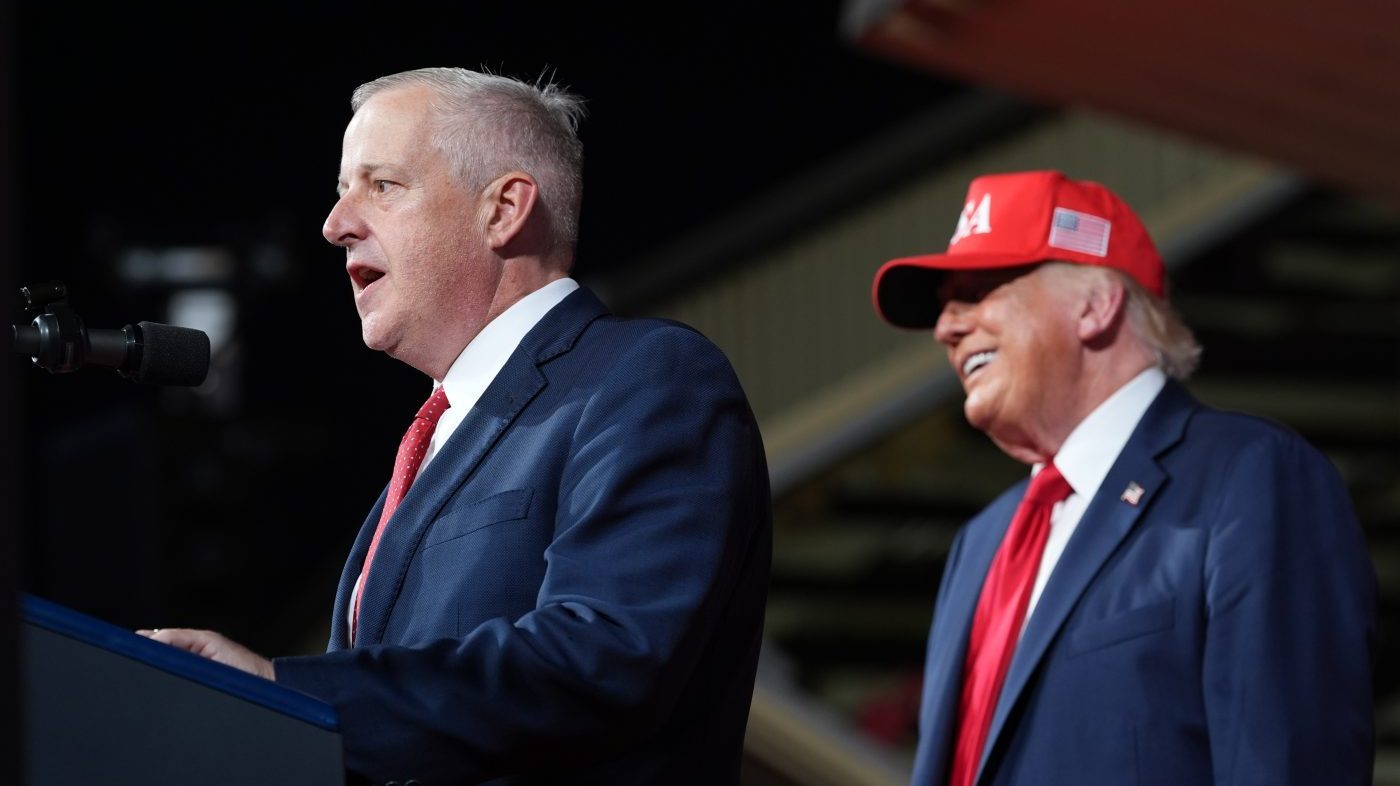
According to the poll, 57% of respondents hold a favorable view of Obama, compared to 34% for Trump and 30% for Biden. The gap widens among independent voters, where Obama's favorability rating is more than double that of his two successors. Obama also commands near-unanimous support from Democrats, while Trump and Biden face more internal party divisions.
Cross-party appeal remains limited for all three, but Obama fares better: only 19% of Republicans view him favorably, yet that is still higher than the 5% of Democrats who back Trump or the 5% of Republicans who support Biden. This suggests a modest but notable ability to reach across the aisle.
The data aligns with historical trends showing that presidential favorability often improves after leaving office. George W. Bush, who left with low approval ratings amid the Iraq War and financial crisis, has seen his numbers climb in subsequent years. Similarly, Trump's favorability rose to 46% at the time of his second inauguration, up from 33% at the end of his first term, according to earlier CNN polling.
When asked to name the president they most admire, 30% of respondents picked Obama, followed by Trump at 19%. Abraham Lincoln and Ronald Reagan each garnered 9%, and John F. Kennedy received 6%. This ranking highlights Obama's continued resonance with the electorate.
The poll, conducted by SSRS from May 7 to 31, surveyed 2,480 U.S. adults online and by telephone, with a margin of error of 2.7 percentage points. The findings come as political dynamics shift, with ongoing debates over policy and leadership. For context, recent developments such as the Obama Presidential Center launch have kept the former president in the public eye, while Trump's Iran deal defense has stirred controversy among hawks.
The polling also reflects broader partisan divides. While Obama enjoys strong Democratic support, Trump and Biden struggle to maintain unity within their parties. This fragmentation could have implications for upcoming elections and governance, as seen in the GOP senators' criticism of Trump's Iran Strait deal.
Overall, the survey reinforces Obama's unique standing in American politics—a figure who, even years after his presidency, commands more admiration and favorability than his immediate successors. Whether this translates into political influence remains to be seen, but the numbers suggest a lasting legacy.