White House Details Covert Extraction Mission
President Donald Trump and senior national security officials provided a detailed account on Monday of a high-stakes military operation that successfully extracted a U.S. Air Force weapons systems officer from Iranian territory. The mission was launched after an F-15E Strike Eagle was downed inside Iran on Friday, separating the pilot and the officer.
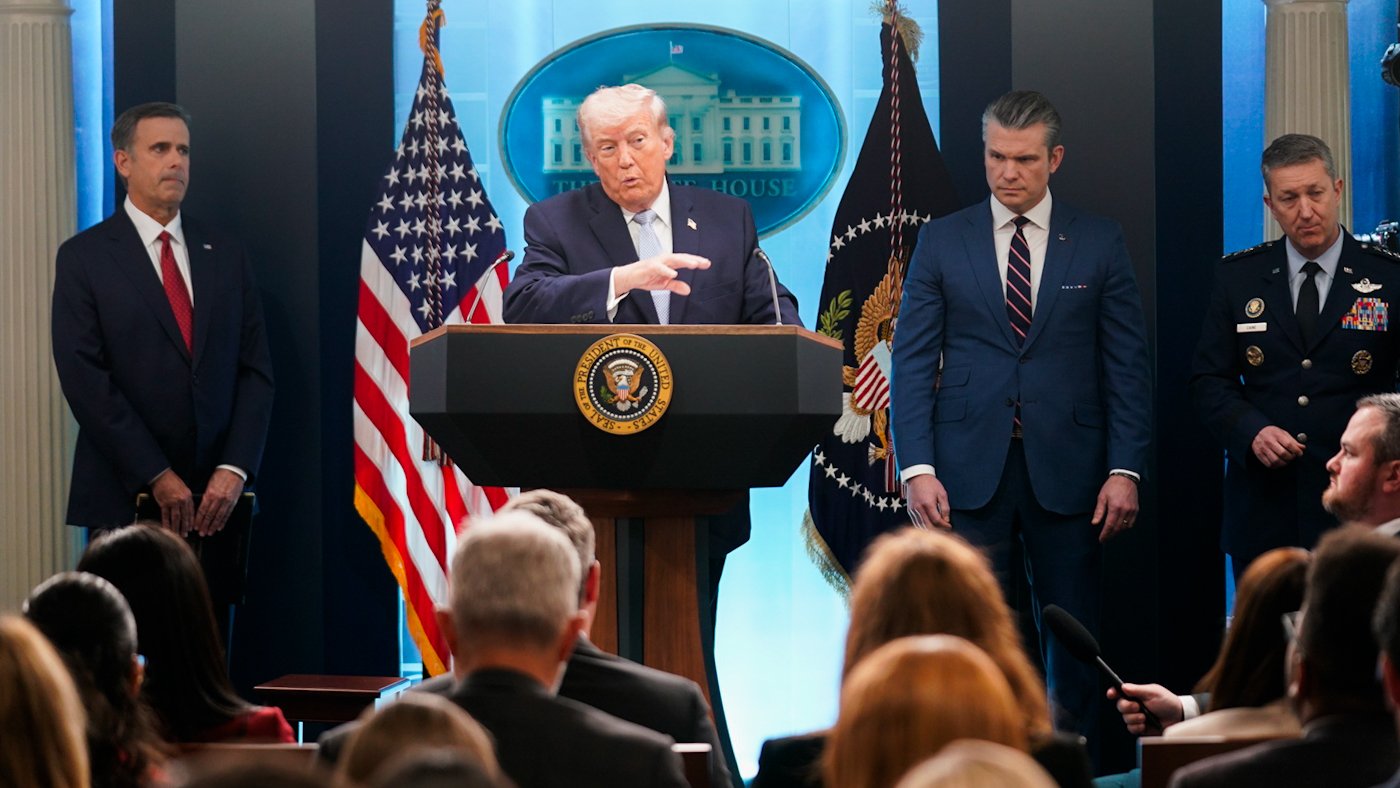
President Trump authorized the search-and-rescue operation, which saw the rapid deployment of U.S. military assets. "You bring rifles into play when you're going that low, but there are also certain advantages," Trump stated during a White House briefing alongside Defense Secretary Pete Hegseth, CIA Director John Ratcliffe, and Chairman of the Joint Chiefs of Staff General Dan Caine.
A Race Against Time in Hostile Terrain
The rescued officer, who has not been publicly named, evaded capture by escaping into steep mountain terrain after ejecting. President Trump described the officer as having his "face bleeding rather profusely" but following his training to climb to higher altitude to avoid detection. After treating his own wounds, the airman contacted U.S. forces to transmit his location, triggering the full-scale rescue.
CIA Director John Ratcliffe revealed his agency deployed "human assets and exquisite technologies" to locate the service member, comparing the search to "hunting for a single grain of sand in the middle of a desert." Ratcliffe emphasized the operation was a "race against the clock" and involved executing a "deception campaign to confuse the Iranians who were desperately hunting" for the airman. This subterfuge was intended to misdirect Iranian forces about the officer's true location.
Combat Rescue Under Fire
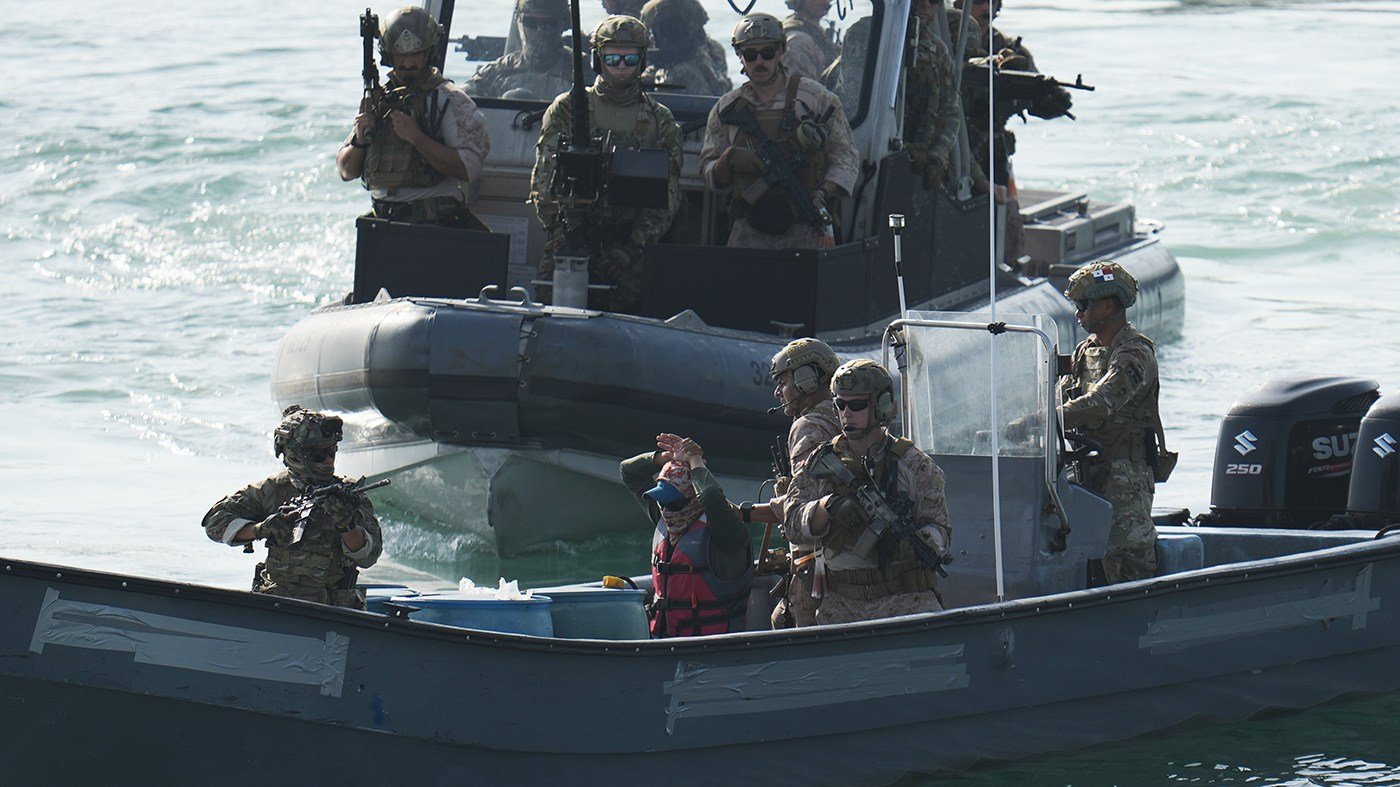
The execution phase involved a massive aerial armada. General Caine outlined that A-10 Warthogs, HC-130 rescue aircraft, HH-60 Jolly Green II helicopters, and Air Force special warfare airmen flew into Iranian airspace with fighter jet support. Remotely-piloted aircraft and other tactical jets engaged Iranian military units to suppress threats and allow the rescue team to reach the area.
The operation faced significant resistance. One A-10 aircraft, communicating with the downed officer, was hit by Iranian fire. Its pilot managed to fly into allied airspace before ejecting safely. An HH-60 helicopter retrieving the officer also sustained heavy fire. "We have a helicopter that's got a lot of bullets in it. It's amazing," President Trump remarked. General Caine confirmed the crew sustained minor injuries.
President Trump acknowledged internal debate over the mission's risks, stating some officials warned that "hundreds of people could have been killed." He said Defense Secretary Hegseth and General Caine expressed concerns about potential sacrifices but did not deem the mission foolish. The President framed the decision as a necessary commitment to recovering personnel. This operation occurs amid broader ongoing military and diplomatic tensions with Iran.
Defense Secretary Hegseth relayed that the airman's first words upon activating his transponder were, "God is good." General Caine credited the mission's success primarily to the airman's "absolute commitment to surviving," calling it the single most important factor in any rescue operation. The pilot of the F-15 was recovered during the initial phase of the operation.
The administration's disclosure of operational details is notable, coming as President Trump has vowed to prosecute media outlets over leaked details of covert operations. The successful extraction demonstrates significant U.S. capability to project force and conduct complex operations within denied airspace, a key component of modern defense strategy in the region.