The U.S. military asserted on Tuesday that its newly established naval blockade of the Strait of Hormuz successfully prevented all vessels from breaching the cordon in its initial 24 hours. This declaration comes despite commercial shipping data indicating a Chinese-owned tanker under U.S. sanctions navigated through the strategic waterway.
U.S. Central Command (CENTCOM), which commands American forces across the Middle East, stated in a social media post that six merchant ships had complied with orders from U.S. forces to turn around and return to an Iranian port on the Gulf of Oman. The blockade, ordered by President Trump and initiated on Monday, involves more than 10,000 personnel from the Navy and Marine Corps, supported by over a dozen warships. Its stated objective is to intercept vessels entering or departing Iranian ports and to halt ships that have paid tolls to Tehran.

Data Shows Tanker Transit
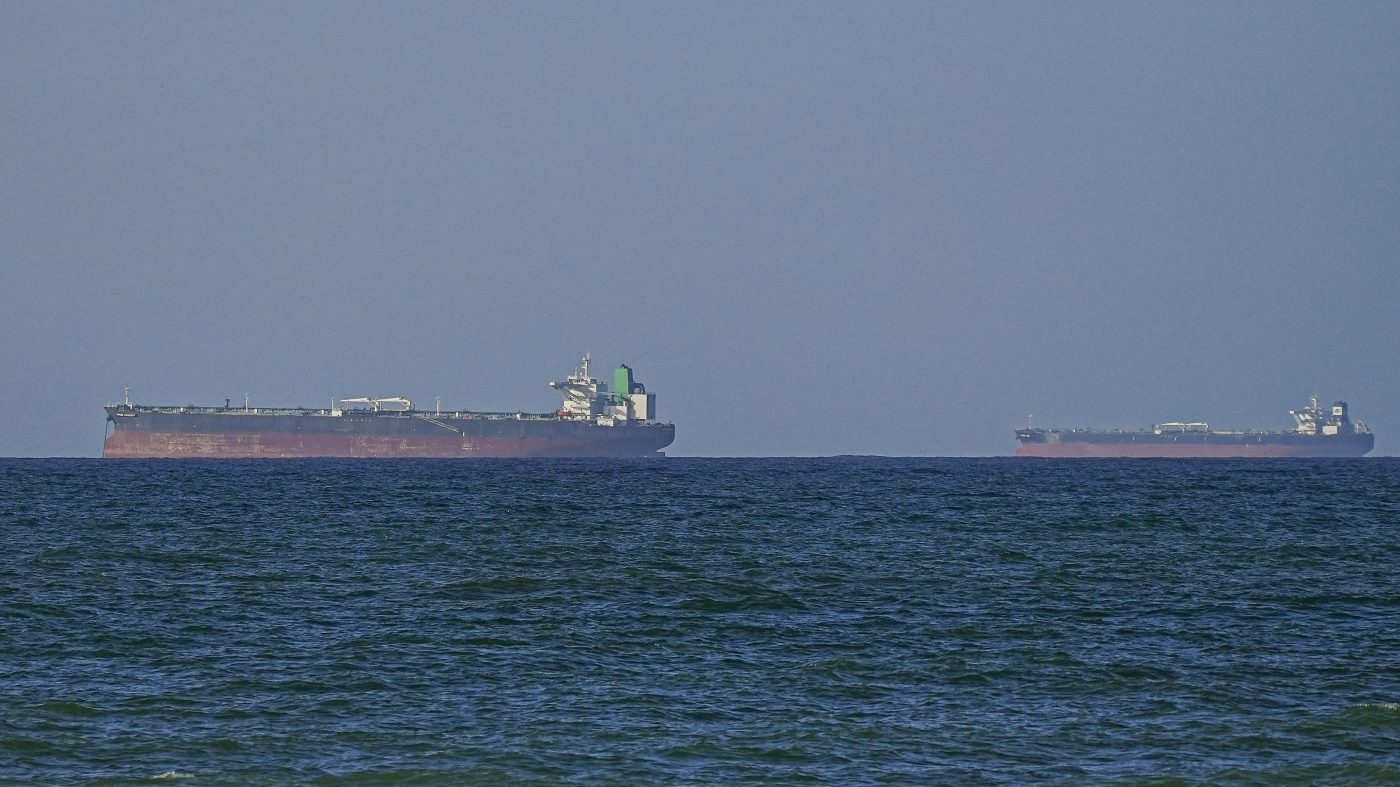
Contradicting the Pentagon's assertion of total control, tracking data from analytics firm Kpler showed the Rich Starry, a medium-range tanker, transited the strait on Monday afternoon. According to reports, the vessel, carrying approximately 250,000 barrels of methanol, succeeded on its second attempt to pass through. When questioned about this discrepancy, the Department of Defense referred inquiries to CENTCOM, which did not provide an immediate response.
The blockade represents a significant escalation in Washington's campaign to apply maximum economic pressure on Tehran. Iran's regime is heavily dependent on revenue from oil and petrochemical exports. The U.S. strategy appears designed to cripple this financial lifeline, forcing concessions. Officials also speculate that China's reliance on Iranian energy might compel Beijing to leverage its alliance with Tehran to seek a diplomatic settlement.
Diplomatic Backdrop and Strategic Aims
President Trump ordered the military action on Sunday, following the collapse of in-person negotiations between U.S. and Iranian officials in Pakistan the previous day. The talks ended without agreement, primarily stalled on nuclear issues. Washington is demanding Tehran halt its nuclear program for two decades, while the Iranian regime has reportedly offered a cessation of no more than five years.
The blockade aims to compel Iran to return to negotiations and end the ongoing conflict that began with joint U.S.-Israeli strikes on February 28. U.S. officials are now reportedly scouting potential dates and locations for a second round of talks before a fragile two-week ceasefire between the two nations expires next week.
The transit of the sanctioned Chinese tanker, the Rich Starry, presents an immediate challenge to U.S. credibility and enforcement capability. It highlights the complexities of interdicting global shipping in one of the world's most vital maritime corridors. The incident underscores how third-party nations and entities can test the resolve and operational perimeter of such a blockade.
The economic ramifications are already being felt globally. The blockade has triggered significant volatility in energy markets, with analysts warning of sustained high prices. The U.S. Energy Secretary has cautioned that gasoline prices could peak in the coming weeks, directly citing the Hormuz operation as a primary cause. The situation remains fluid, with the potential for further incidents as commercial shipping interests navigate the new military reality in the Persian Gulf.