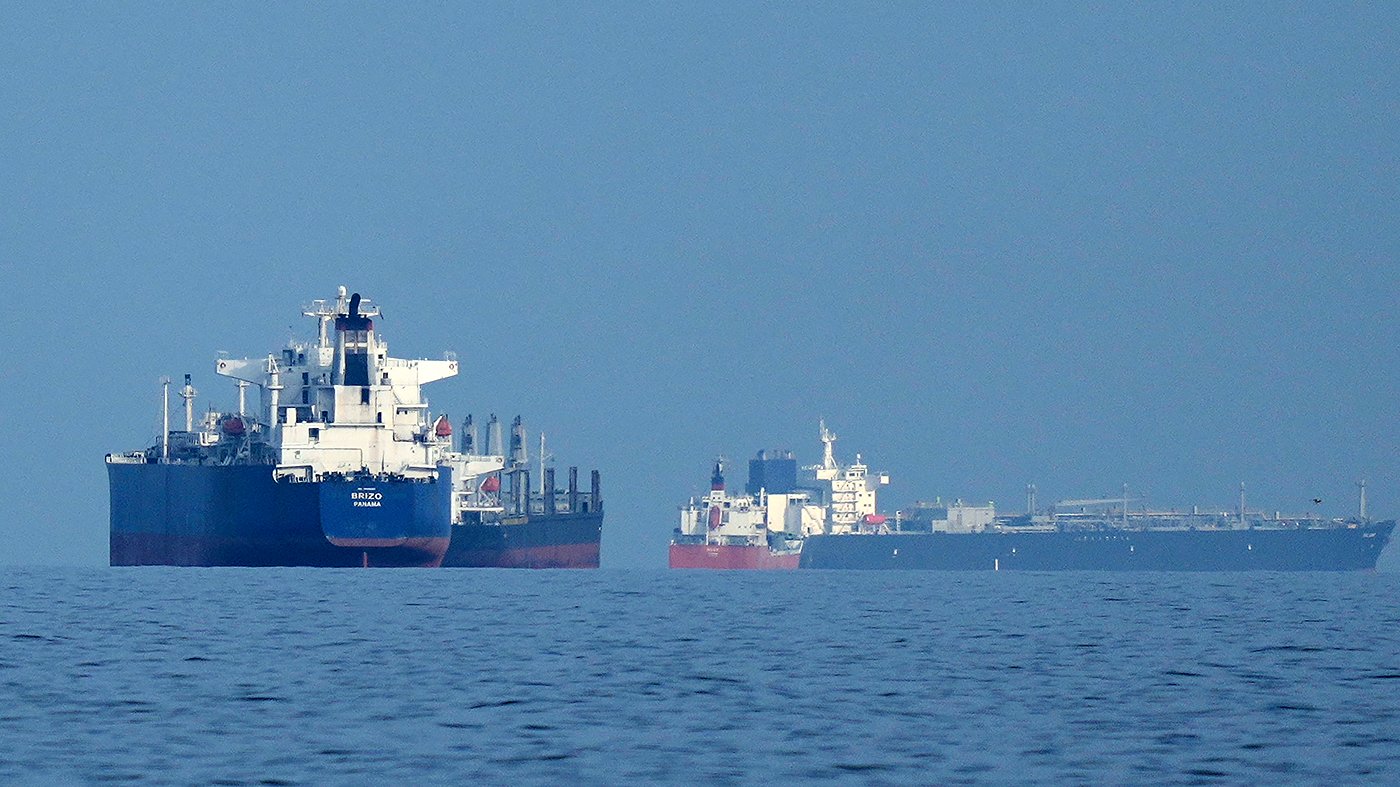
The United States Navy commenced enforcement of a maritime blockade against Iranian ports in the strategic Strait of Hormuz on Monday morning. This military action follows the failure of a 21-hour diplomatic session in Islamabad over the weekend, where talks between U.S. and Iranian officials, mediated by Pakistan, concluded without any tangible progress toward de-escalation.
Direct Threats and Defiant Responses
President Trump announced the blockade's implementation with a stark warning directed at Iran's naval forces. In a post on his social media platform, he stated that Iran's small attack boats would be "ELIMINATED" if they approached U.S. Navy vessels enforcing the operation. He referenced previous U.S. military actions that had destroyed a significant portion of Iran's conventional navy, indicating a readiness to use similar tactics against remaining fast-attack craft.
Iranian officials responded with immediate defiance. The country's acting defense minister, Brigadier General Majid Ibn Reza, declared that Iranian forces were on "maximum combat alert" and prepared for "any scenario." He warned that any aggression would be met with a "harsh and decisive response." Further amplifying the rhetoric, Alaeddin Boroujerdi, a member of Iran's parliamentary national security committee, threatened that any U.S. ships attempting to block Iranian ports would be "sent to the bottom of the sea," according to state media reports.
Strategic and Economic Objectives
The blockade represents a calculated escalation of economic pressure against Tehran. The Trump administration's strategy aims to cripple Iran's oil exports, a vital source of revenue, and to exert secondary pressure on nations like China that are reliant on Iranian energy. This move comes after a nearly six-week U.S.-Israeli bombing campaign failed to compel Iran's surrender, a outcome that has reportedly frustrated the White House. The blockade's immediate effect has been a sharp increase in global oil prices, exacerbating an existing energy crisis triggered when Iran initially closed the strait in late February following attacks on its territory.
U.S. Central Command (CENTCOM), which is leading the operation, stated the blockade would be "enforced impartially against vessels of all nations." It clarified that transit through the strait to and from non-Iranian ports would not be impeded, though ships should expect heightened military presence and potential inspections. The United Kingdom's maritime agency issued an advisory confirming the restrictions cover the entire Iranian coastline, including key energy infrastructure.
Fragile Ceasefire and Stalled Diplomacy
The military action unfolds against the backdrop of a fragile, two-week ceasefire that was agreed upon just last week. That brief pause, which saw Tehran reopen the vital waterway, shattered after Israel conducted strikes in Lebanon, prompting Iran to once again close the strait. The clock is now ticking on that ceasefire agreement, with diplomatic channels appearing frozen.
Following the marathon talks in Pakistan, Vice President J.D. Vance stated that no progress was made. He highlighted Iran's refusal to provide an "affirmative commitment" that it would not pursue nuclear weapons or the means to rapidly acquire them—a fundamental red line for the Trump administration. Despite the deadlock, President Trump has left the door open for a potential deal, and regional mediators are reportedly attempting to revive negotiations.
This dramatic foreign policy move occurs as the President faces scrutiny on other fronts, including internal criticism over his demands for loyalty from the judiciary and mounting pressure on Republican leadership to address his conduct. The blockade's enforcement also raises profound questions about the use of presidential emergency powers and has already triggered significant geopolitical and market repercussions, detailed in our analysis of soaring global oil prices.