Global oil markets reacted sharply Sunday night as President Donald Trump announced a U.S. military blockade of the Strait of Hormuz, sending benchmark crude prices soaring above $100 per barrel. The decision follows the apparent failure of recent diplomatic efforts to de-escalate tensions with Iran.
The price of West Texas Intermediate crude, the U.S. benchmark, jumped to over $104 per barrel late Sunday, while Brent crude, the international standard, climbed above $102. This represents a significant spike from Friday's closing prices of $96.57 for WTI and $95.20 for Brent.
Blockade Order Takes Immediate Effect
In a post on Truth Social, President Trump declared, "Effective immediately, the United States Navy, the Finest in the World, will begin the process of BLOCKADING any and all Ships trying to enter, or leave, the Strait of Hormuz." The strategic waterway is a vital artery for global energy shipments, with roughly one-fifth of the world's oil passing through it.
U.S. Central Command confirmed the operation, stating it would commence blockading Iranian ports at 10:00 a.m. Eastern Daylight Time on Monday. The move comes after recent ceasefire negotiations in Islamabad broke down over Iran's nuclear demands, leaving the fragile truce in jeopardy.
Market Jitters and Political Calculations
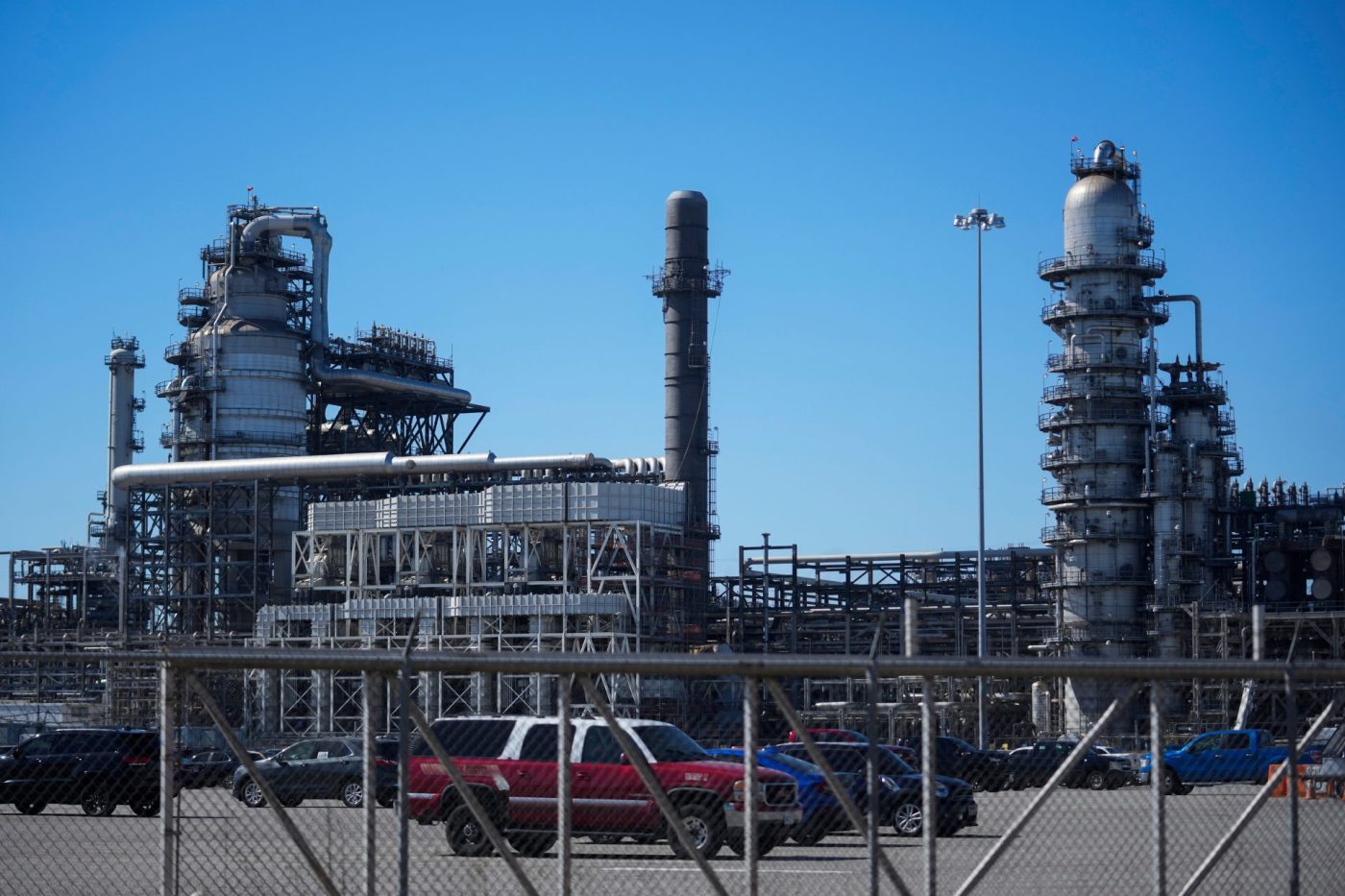
The announcement triggered immediate volatility in energy markets, reflecting deep concerns over the security of Middle Eastern oil supplies. Analysts warn that a prolonged closure or restriction of the strait could have severe consequences for the global economy.
When asked in a Fox News interview about the potential impact on fuel prices ahead of the midterm elections, Trump offered an ambiguous forecast. "I hope so. I mean, I think so, it could be, it could be, or the same or maybe a little bit higher, but it should be around the same," he told host Maria Bartiromo. This stance has already drawn criticism from some quarters, with figures like Senator Mark Warner labeling the blockade as economically illogical given its inflationary impact.
Broader Strategic Context
The decision to impose a naval blockade marks a significant escalation in the long-standing U.S.-Iran confrontation. It effectively militarizes a key commercial passage and risks direct clashes with Iranian forces. The action follows the breakdown of what were described as historic direct talks between U.S. and Iranian officials.
Military experts, including former CENTCOM commander General David Petraeus, have expressed skepticism about a quick resolution. Petraeus has previously warned that negotiations with Tehran could extend for years, dismissing some of its positions as unrealistic. The blockade order suggests the administration is shifting from diplomacy to a strategy of coercive pressure.
The geopolitical ripple effects are likely to be widespread, influencing everything from domestic political debates over energy policy and consumer costs to the posture of other global powers with interests in the region. The coming days will test the resilience of global energy markets and the international response to a major U.S. military action in one of the world's most sensitive waterways.