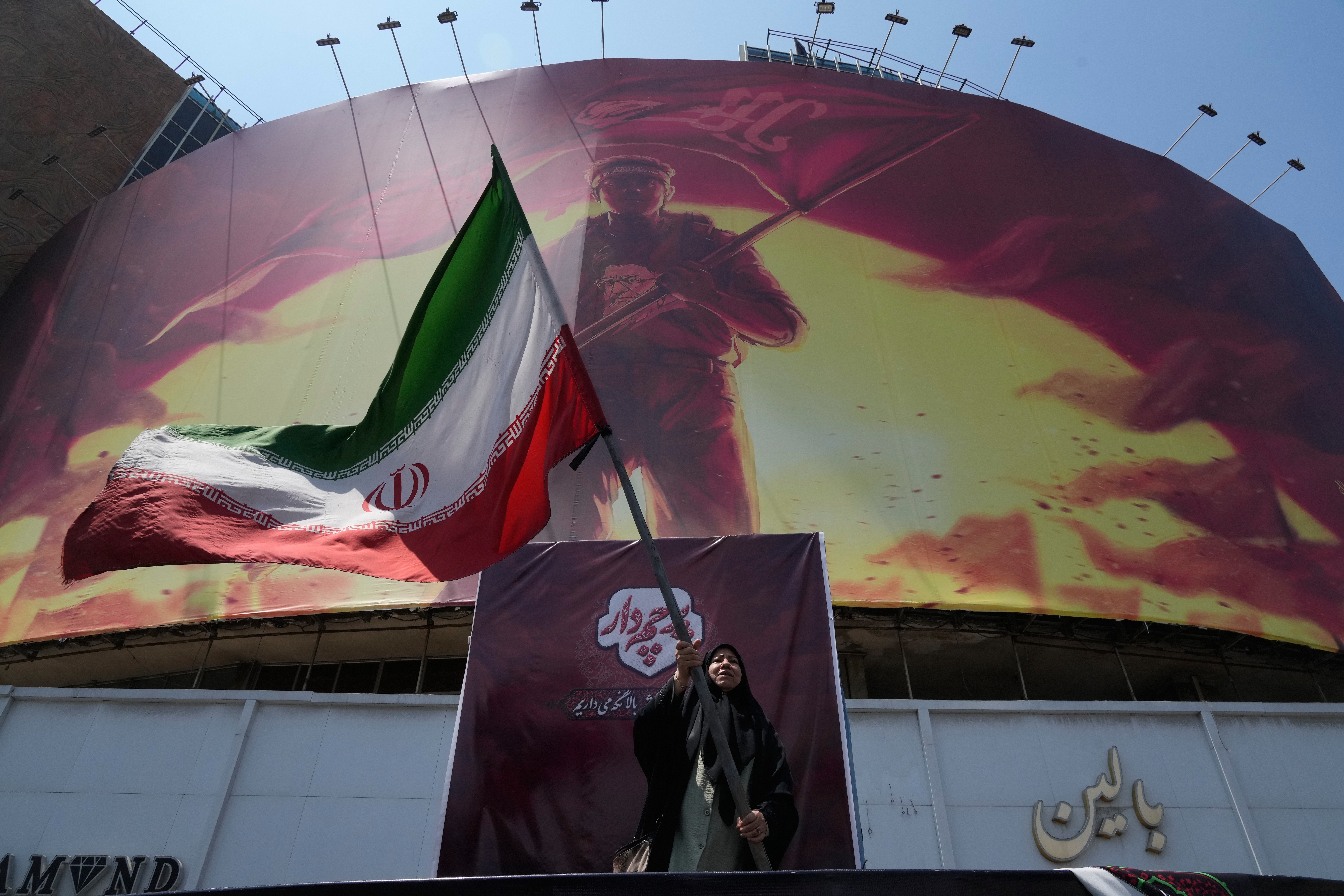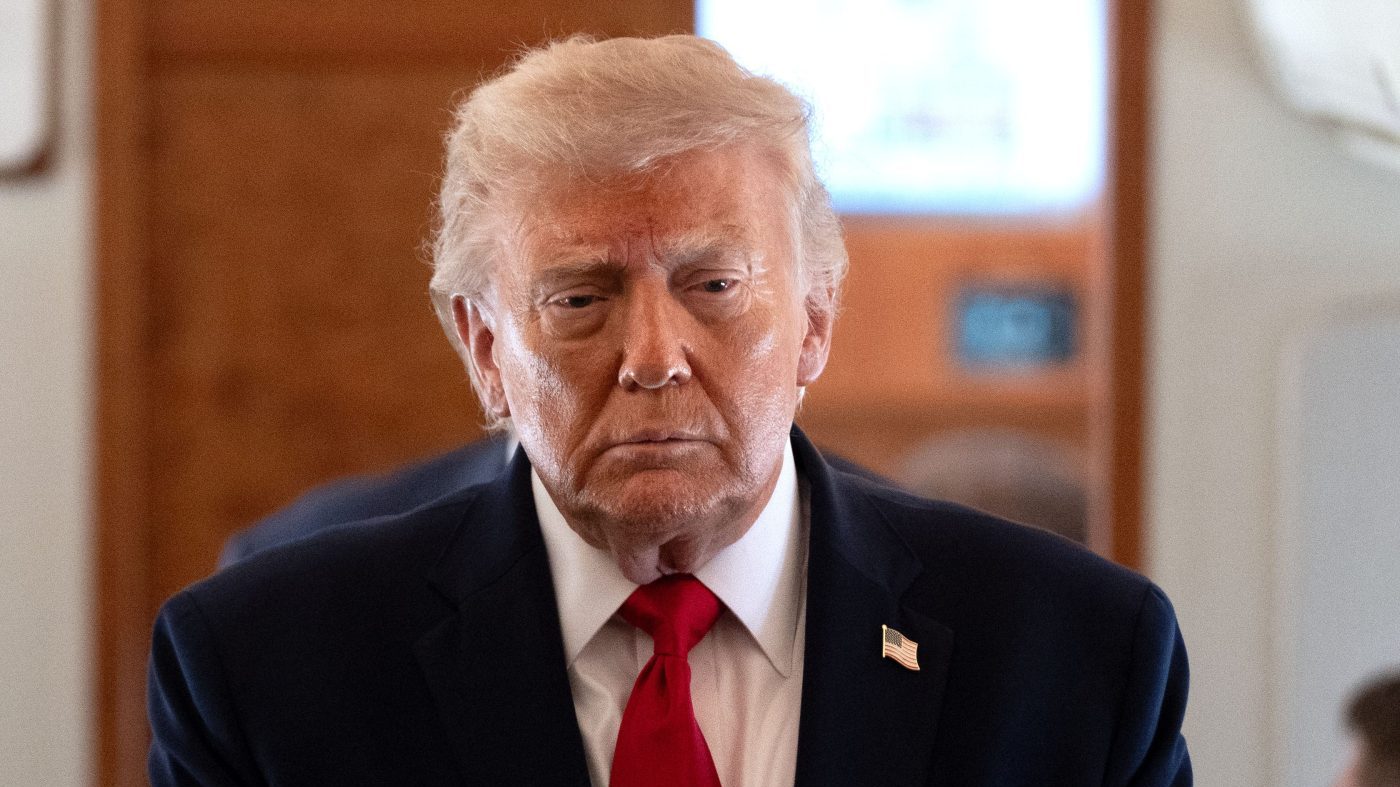
President Donald Trump told reporters Wednesday that the United States is prepared to launch another round of military strikes against Iran, following a series of retaliatory attacks Tuesday that targeted roughly two dozen sites near the strategic Strait of Hormuz. The president framed the operations as punishment for Tehran's downing of a U.S. Apache helicopter earlier this week.
Speaking in the Oval Office, Trump said, “We hit them hard yesterday, and we’re going to hit them again hard today, in case you missed it, in case you don’t turn on your television set.” He added that he still hoped to reach a “meaningful deal” with Iran, but insisted the U.S. would not be taken for granted. “We were really close to a deal but they keep tapping us along, they keep playing us for suckers,” the president said.
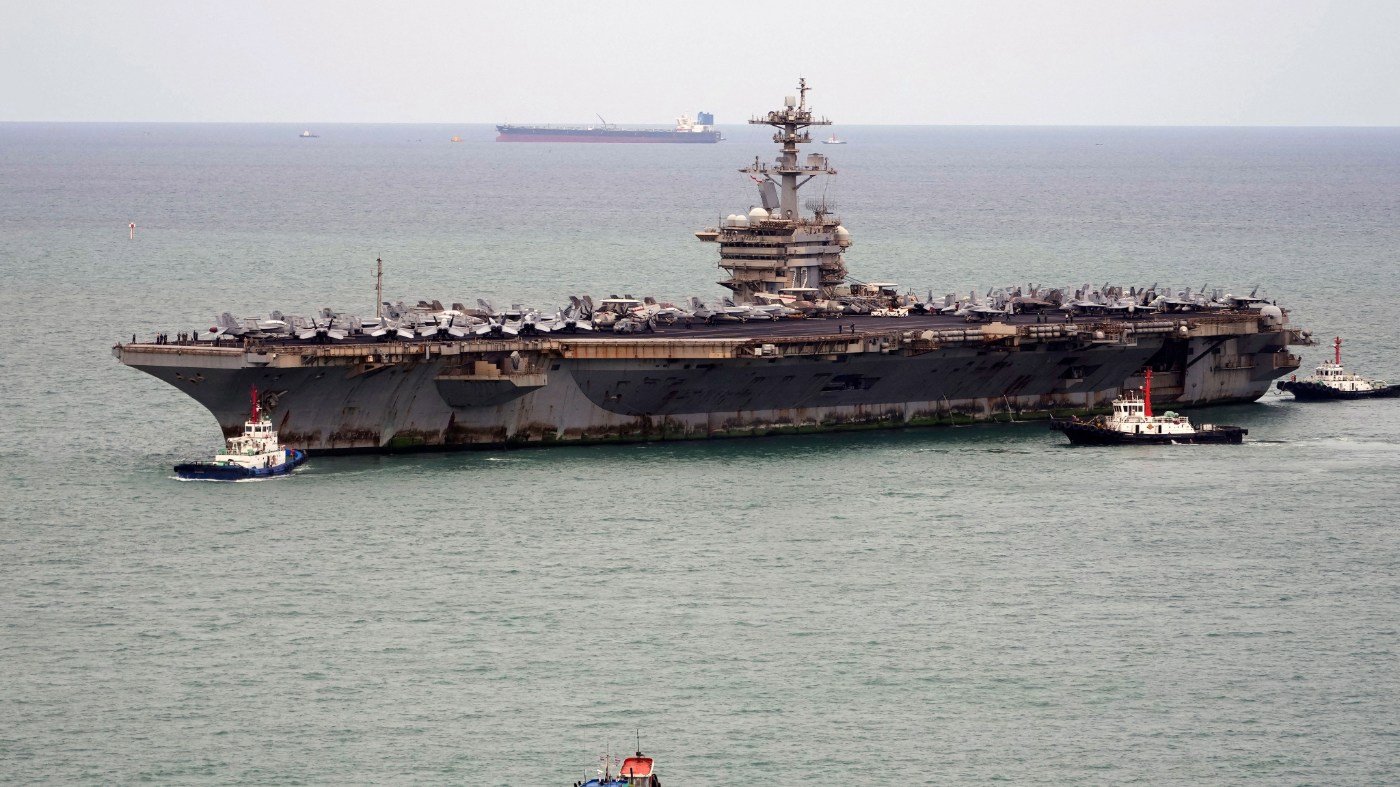
The first wave of strikes, carried out by U.S. Air Force and Navy fighter jets, targeted Iranian air defense systems, ground control stations, and surveillance radar sites near the Strait of Hormuz. U.S. Central Command described the operation as a “proportional response” to recent attacks on American forces and international commercial shipping in the region. Iran’s state broadcaster reported that the strikes also destroyed two water desalination plants in Hormozgan Province.
Trump declined to specify whether a second wave would hit Iranian energy infrastructure or bridges, as he has previously threatened. The ambiguity leaves open the possibility of a broader escalation, even as the administration simultaneously pursues diplomatic channels. The president’s rhetoric has drawn comparisons to his earlier threats against Iran’s economic lifelines, raising concerns about the conflict’s potential to disrupt global energy markets.
In a swift retaliation, Iran’s Islamic Revolutionary Guard Corps claimed responsibility for 21 attacks on U.S. bases across the Middle East overnight. Targets included the Al Azraq base in Jordan and the U.S. 5th Fleet in Bahrain. Tehran also said it shot down an MQ-9 Reaper drone over Iranian territory. A U.S. official told The New York Times that all incoming missiles and drones were intercepted, with no damage to American installations.
Jordan confirmed its air defenses shot down five missiles aimed at the Muwaffaq Salti Air Base, which hosts U.S. forces, and reported no injuries. Bahrain’s military said it intercepted missiles intended for civilian areas, while Kuwait’s army also reported neutralizing hostile targets. The coordinated defensive efforts underscored the regional nature of the confrontation.
On social media platform Truth Social, Trump dismissed Iran’s military as a “complete mess” and accused its leaders of being “all talk and no action.” He wrote, “They’ve taken too long to negotiate a deal that would have been great for them, now they will have to pay the price!!!” The post reflects the administration’s dual approach of military pressure and public brinkmanship, even as new rules for prediction markets are being finalized to hedge against geopolitical risk.
The escalating cycle of strikes and counterstrikes comes amid broader tensions in the region, where defense officials have also vowed readiness for operations in Cuba. With no clear off-ramp in sight, the Trump administration’s strategy appears to be calibrated to inflict maximum damage while leaving the door open for negotiations. Whether that balance can hold remains uncertain, as both sides dig in for what could become a prolonged confrontation.